
Keeping a home clean can often feel like an endless cycle of chores that takes over an entire day. Many people start cleaning without a plan, move randomly from room to room, and end up exhausted before the house is truly finished. The good news is that cleaning does not have to become a lengthy process if the work is approached strategically.
Professional cleaners and home organization experts often rely on systems that reduce wasted movement, prevent repeated tasks, and help maintain a tidy home with less effort. Instead of deep cleaning every corner at once, the key is learning how to clean smarter rather than harder.
A structured room-by-room cleaning routine can dramatically cut the amount of time spent on household chores each week. Starting with common areas, tackling high-traffic spaces first, and using efficient cleaning habits can help homeowners stay ahead of clutter before it becomes overwhelming.
Here is a practical guide on how to clean your home faster while keeping every room looking fresh and organized.
Start With A Simple Cleaning Plan.
One of the biggest mistakes people make is beginning without a clear strategy. Walking into a room and deciding what to clean in the moment often leads to distractions and wasted time. A quick cleaning plan creates structure and keeps momentum going throughout the house.
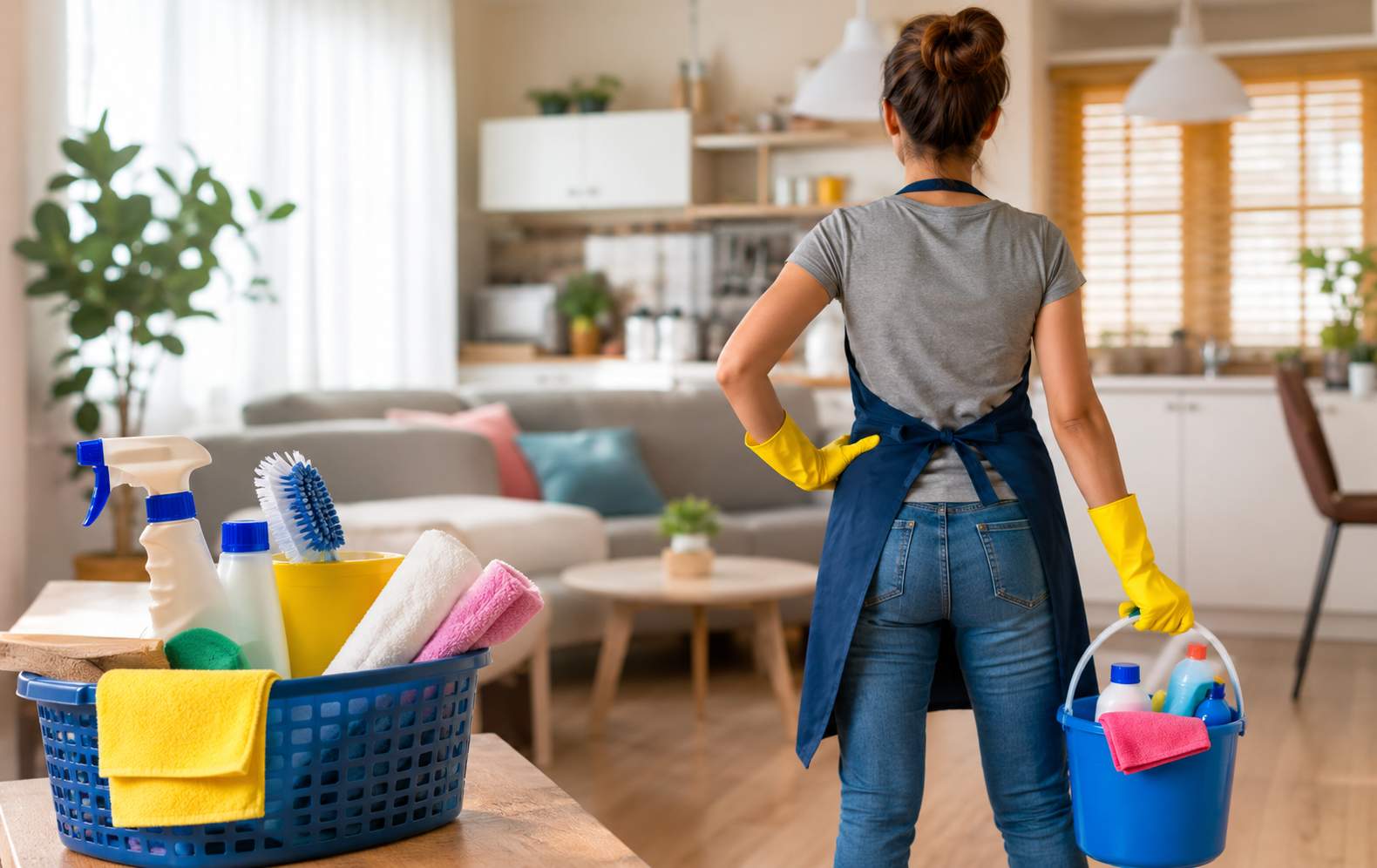
Before cleaning begins, gather all supplies in one portable container. Keeping disinfectant sprays, microfiber cloths, trash bags, sponges, and a vacuum in one place eliminates repeated trips back and forth between rooms. This simple habit alone can save a surprising amount of time during a weekly cleaning routine.
Experts also recommend cleaning from top to bottom in every room. Dust and debris naturally fall downward, so wiping shelves and surfaces before vacuuming or mopping prevents duplicate work later.
Another important tip is to set a realistic time limit for each space. Spending too long perfecting one room can delay the rest of the house. A focused routine keeps the process efficient and manageable.
Begin With Common Rooms.
Common rooms should always come first because they are the most visible and heavily used areas in the home. Living rooms, dining rooms, hallways, and shared family spaces collect clutter quickly and create the overall impression of cleanliness.
Starting in these rooms also provides immediate visual progress, which can help maintain motivation throughout the cleaning session.
Begin by removing obvious clutter such as cups, dishes, blankets, paperwork, and misplaced items. Instead of organizing every object immediately, place loose items into a temporary basket that can be sorted later. This prevents cleaning sessions from becoming derailed by unnecessary organizing.
After decluttering, dust larger surfaces including shelves, television stands, coffee tables, and window ledges. Using microfiber cloths helps trap dust more effectively than traditional dusters, reducing the need for repeat cleaning.
Vacuuming should happen last. Focus on high-traffic pathways and under furniture where dust and debris accumulate most frequently. If hard flooring is present, a quick mop can refresh the entire room within minutes.
One reason professional cleaners work efficiently is because they avoid overcomplicating common areas. A room does not need to look perfect to feel clean and welcoming.
Focus On The Kitchen Next.
The kitchen often becomes the most time-consuming room because messes build up daily. However, consistent maintenance can keep kitchen cleaning manageable and far less stressful.
The fastest approach is to clean in zones rather than jumping between tasks. Start with dishes and countertops because these surfaces immediately improve the appearance of the room. Loading the dishwasher first creates space to work more effectively.
Once counters are clear, spray surfaces with a multi-purpose cleaner and allow it to sit briefly while other tasks are completed. This loosens grease and grime, making surfaces easier to wipe clean later.
Appliances should receive quick attention instead of deep scrubbing every week. Wipe fingerprints from refrigerators, clean microwave splatters, and sanitize handles that receive constant use. Small maintenance habits prevent heavy buildup over time.
The sink should always be cleaned near the end of the kitchen routine. A polished sink gives the entire room a cleaner appearance, even if the rest of the kitchen is not spotless.
Floor cleaning should happen last. Sweeping crumbs and debris before mopping prevents streaks and reduces overall cleaning time.
Maintaining a clean kitchen becomes much easier when small daily habits are followed consistently. Washing dishes immediately after meals and wiping counters nightly can dramatically reduce the need for lengthy weekend cleaning sessions.
Tackle Bathrooms Efficiently.
Bathrooms are often avoided because people assume they require deep cleaning every time. In reality, regular upkeep can make bathroom cleaning surprisingly quick.
Start by spraying toilets, sinks, showers, and mirrors with appropriate cleaners before doing anything else. Letting products sit for several minutes helps break down soap scum and grime naturally.
While cleaners work, empty trash bins, replace towels, and remove clutter from countertops. These quick tasks instantly improve the room's appearance.
Mirrors should be wiped early because streak-free surfaces make bathrooms appear brighter and cleaner. Microfiber cloths work especially well for mirrors and glass surfaces without leaving residue behind.
Toilet cleaning should focus on high-touch areas such as handles and seats in addition to the bowl itself. For showers and bathtubs, consistent maintenance is far more effective than occasional deep scrubbing. A quick wipe-down after use can prevent heavy soap buildup entirely.
Bathroom floors are usually small enough to clean quickly with a handheld vacuum or mop. Once floors are finished, the room often looks significantly cleaner with minimal effort.
Many cleaning professionals recommend keeping basic bathroom supplies stored in each bathroom to eliminate unnecessary trips around the house.
Move Into Bedrooms After Shared Spaces.
Bedrooms tend to require less intensive cleaning than kitchens and bathrooms, which makes them ideal to tackle later in the routine when energy levels begin to drop.
The fastest way to improve a bedroom is by making the bed immediately. A neatly made bed changes the appearance of the entire room within minutes and creates a sense of order.
Clothing should then be sorted quickly into laundry baskets, closets, or drawers. Allowing clothes to pile up creates unnecessary clutter that makes bedrooms feel messier than they actually are.
Dusting should focus on surfaces that visibly collect debris such as bedside tables, dressers, and lamps. There is usually no need to spend excessive time organizing drawers or closets during regular weekly cleaning sessions.
Vacuuming bedrooms can often be completed quickly by concentrating on visible floor areas and spaces around the bed. Deep carpet cleaning can be reserved for occasional monthly maintenance rather than weekly routines.
Children's bedrooms may require a slightly different approach. Using labeled bins and simple storage systems can encourage faster cleanup while helping children participate in maintaining their own spaces.
Save Laundry And Small Tasks For Last.
Many people make the mistake of starting laundry at the beginning of a cleaning session and then becoming distracted throughout the day. Instead, smaller secondary tasks should be handled near the end of the routine.
Laundry works best when managed alongside other completed cleaning tasks rather than becoming the main focus. Running one load while finishing remaining chores can improve efficiency without interrupting momentum.
Small finishing tasks may include taking out trash, replacing liners, wiping light switches, or refreshing entryways. These details create a polished feeling throughout the home without requiring much additional effort.
This final stage is also the ideal time to return misplaced items collected earlier during decluttering.
Use Daily Habits To Prevent Major Cleaning Days.
One of the best ways to avoid spending hours cleaning is by preventing messes from building up in the first place. Small daily habits often make a larger difference than occasional marathon cleaning sessions.
Simple routines such as wiping kitchen counters after cooking, putting away items immediately after use, and completing quick evening resets can keep homes consistently manageable.
Many professional organizers recommend following a "one-touch rule," meaning items should be put away properly the first time they are handled instead of being moved from one surface to another repeatedly.
Families can also benefit from assigning small responsibilities across household members. When everyone contributes consistently, cleaning becomes faster and less stressful overall.
Maintaining cleanliness is far easier than restoring order after clutter and dirt have accumulated for weeks.
Avoid Common Cleaning Mistakes.
Some cleaning habits actually increase the amount of time spent working around the house. Recognizing these mistakes can help homeowners clean more efficiently.
One common issue is using too many cleaning products at once. Excessive sprays and chemicals often create additional residue that requires more wiping later. In many cases, simple multi-purpose cleaners are enough for routine maintenance.
Another mistake is multitasking between rooms. Constantly switching locations interrupts focus and creates unnecessary movement throughout the house. Completing one room fully before moving to the next is usually faster.
People also waste time by attempting perfection during every cleaning session. Daily life naturally creates small messes, and trying to achieve flawless results every week can become exhausting. Consistency matters far more than perfection.
Finally, ignoring clutter until it becomes overwhelming makes cleaning significantly harder. Spending just a few minutes tidying each day prevents larger problems from developing later.
Create A Routine That Fits Your Lifestyle.
The best cleaning routine is not necessarily the most detailed one. Instead, it is the routine that can realistically be maintained week after week.
Some households benefit from cleaning one room per day, while others prefer completing the entire home in a single focused session. Busy families may rely on shorter daily resets combined with light weekend maintenance.
The goal is not to create a perfectly spotless home at all times. The goal is to reduce stress, save time, and create a comfortable living environment that feels manageable.
A smart room-by-room strategy helps homeowners clean efficiently without sacrificing an entire weekend to chores. By starting with common spaces, focusing on high-impact tasks, and maintaining simple daily habits, keeping a home clean becomes far less overwhelming.
Over time, these systems turn cleaning from a dreaded all-day task into a faster and more organized routine that supports a calmer and more functional household.
What cleaning habit saves you the most time at home? Share your best fast-cleaning tips and routines in the comments below.
Lifestyle News
The Simple Home Cleaning Routine That Saves Hours Every Week.
Advertisement




Comments (0)
You must be logged in to post comments.
Don't have an account? Register here
No comments yet. Be the first to share your thoughts!