
Fashion trends have always moved in cycles, but few people expected clothing styles from the 1960s, 1970s and 1980s to dominate modern wardrobes once again. Across Newcaslte, the UK and around the world, retro fashion has returned in a huge way. From oversized denim jackets and flared trousers to leather boots and vintage trainers, styles once considered outdated are now everywhere.
What began as a niche trend among vintage collectors has grown into a mainstream movement driven by social media, celebrity influence and changing attitudes toward fast fashion. Younger generations are increasingly embracing older styles, while major fashion brands are reintroducing classic designs inspired by previous decades.
The revival is not only changing what people wear. It is also transforming how people shop, how brands market themselves and how fashion culture itself operates in the digital age.
Why Retro Fashion Is Returning.
One of the biggest reasons older fashion styles are becoming popular again is nostalgia. In recent years, nostalgia has influenced nearly every area of entertainment and culture, from vinyl records and retro gaming consoles to classic films and vintage home décor.
Fashion naturally followed the same pattern. Younger audiences are increasingly drawn toward clothing styles that feel unique, expressive and different from the highly repetitive trends dominating fast fashion retailers.
Many shoppers also feel modern fashion became too minimal and predictable during the 2010s. Retro clothing offers bold colours, unusual shapes and more personality compared to plain contemporary designs.
Fashion experts say people are searching for individuality again. Vintage-inspired clothing allows wearers to stand out rather than blending into identical online trends seen across social media platforms.
Social Media Helped Bring Vintage Fashion Back.
Platforms such as TikTok, Instagram and Pinterest have played a massive role in the revival of 60s, 70s and 80s fashion. Fashion influencers regularly post vintage outfit inspiration, thrift shopping videos and retro styling tutorials that attract millions of views.
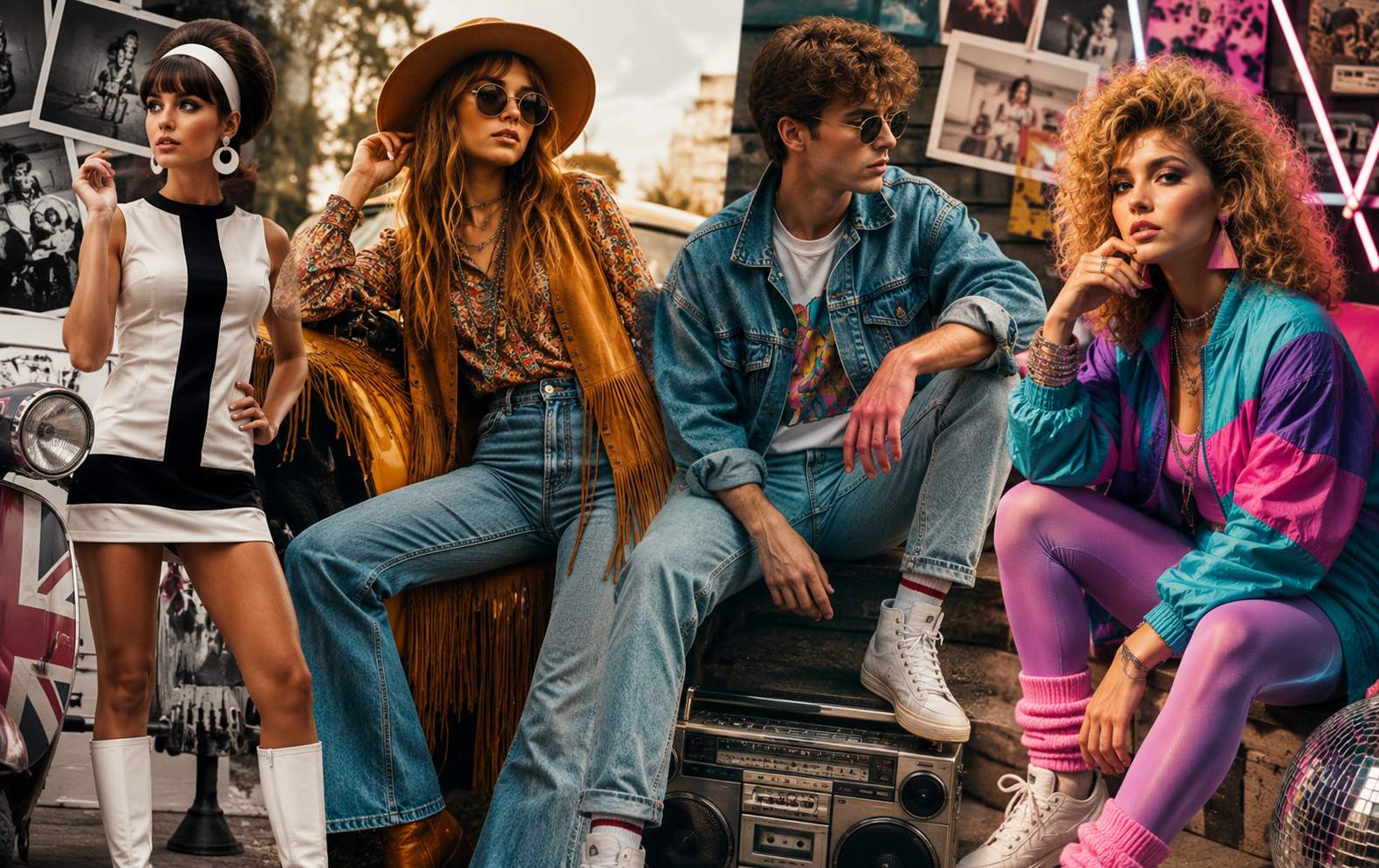
Younger users are especially drawn to fashion aesthetics inspired by earlier decades. Trends such as 70s bohemian fashion, 80s streetwear and 60s mod styling have exploded online as users search for more visually distinctive clothing.
Television shows and films have also influenced the trend. Series such as “Stranger Things,” “Daisy Jones & The Six” and “Peaky Blinders” introduced younger audiences to older fashion styles and helped make vintage clothing appear stylish again.
Celebrity culture has amplified the movement even further. Artists including Harry Styles, Dua Lipa and Billie Eilish regularly incorporate retro-inspired fashion into their public appearances and music videos, encouraging fans to experiment with similar looks.
People Want More Sustainable Fashion Choices.
Another major reason retro fashion is returning is growing concern about sustainability and fast fashion waste. Vintage shopping and second-hand clothing are increasingly viewed as environmentally responsible alternatives to constantly buying cheaply produced new clothes.
Charity shops, thrift stores and vintage boutiques have become hugely popular among younger shoppers searching for unique items while reducing environmental impact.
Fashion industry experts say many consumers are becoming more aware of the damage caused by disposable clothing culture. Buying older garments or vintage-inspired pieces allows shoppers to make more sustainable choices without sacrificing style.
The quality of older clothing also appeals to buyers. Many vintage jackets, jeans and boots were made using stronger materials and craftsmanship than modern fast fashion items.
1960s Fashion Trends Making a Comeback.
The 1960s introduced some of the most iconic fashion styles in modern history, and many of them are now returning to mainstream fashion once again.
Mod Fashion.
Mod fashion has experienced a major resurgence, particularly in the UK. Slim-cut suits, polo shirts, Chelsea boots and tailored coats inspired by 1960s London fashion culture are once again appearing in high street stores.
Younger audiences are embracing the clean, stylish aesthetic that became associated with bands such as The Beatles and The Who during the decade.
Mini Skirts.
Mini skirts have also returned strongly, especially among Gen Z shoppers influenced by both vintage fashion and Y2K trends. Modern versions often combine 1960s silhouettes with contemporary fabrics and styling.
Fashion brands regularly market retro-inspired mini skirts alongside knee-high boots and fitted jackets to recreate classic mod-inspired looks.
Go-Go Boots.
White go-go boots, once considered a relic of the swinging sixties, have surprisingly reappeared in modern fashion collections. Influencers and celebrities now pair them with dresses, oversized coats and retro accessories for nostalgic outfits.
1970s Fashion Trends Making a Comeback.
The 1970s remain one of the most influential decades in fashion history, and many of its defining styles are once again dominating wardrobes.
Flared Jeans.
Flared trousers and bell-bottom jeans have become hugely popular after years dominated by skinny jeans. Fashion cycles naturally shifted toward looser and more relaxed silhouettes, making 70s-inspired denim fashionable again.
Major retailers now sell countless variations of flared jeans inspired by disco culture and classic rock fashion.
Bohemian Fashion.
Bohemian or “boho” fashion inspired by the 1970s has also returned strongly. Flowing dresses, suede jackets, fringe details and earthy colours have become common across festivals, social media and seasonal fashion collections.
Many shoppers are drawn to the relaxed and artistic appearance associated with 70s bohemian fashion.
Corduroy Clothing.
Corduroy jackets and trousers, once heavily associated with 1970s fashion, are now popular again because of their vintage texture and retro appearance. Fashion brands frequently combine corduroy with oversized cuts to create modern retro looks.
Platform Shoes.
Platform shoes and chunky heels have made a major comeback thanks to both vintage fashion and modern pop culture influences. Younger audiences are embracing dramatic footwear styles once associated with disco culture and glam rock musicians.
1980s Fashion Trends Making a Comeback.
The 1980s were known for bold fashion choices, oversized silhouettes and vibrant streetwear styles that are once again dominating trends today.
Oversized Denim Jackets.
Oversized denim jackets inspired by 1980s streetwear are now extremely popular across all age groups. Loose-fitting outerwear has replaced many slimmer styles as comfort and relaxed fashion become more important to shoppers.
Vintage denim pieces are especially sought after in second-hand stores and online marketplaces.
Leather Jackets.
Leather biker jackets remain one of the most enduring fashion trends from the 1980s. Originally associated with punk, rock and rebellious youth culture, leather jackets continue appearing in modern collections because they never fully lost popularity.
Younger audiences often combine leather jackets with trainers, graphic T-shirts and vintage accessories for modern retro outfits.
Vintage Trainers.
Classic trainers from brands such as Adidas, Nike, Reebok and New Balance have become incredibly fashionable again. Many of today’s bestselling trainers are direct reissues of styles originally released during the 1980s.
Retro trainers appeal to both older buyers seeking nostalgia and younger audiences discovering vintage sportswear aesthetics for the first time.
Bright Colours and Bold Patterns.
The return of bright colours, oversized logos and bold patterns also reflects the growing influence of 1980s fashion. After years dominated by neutral tones and minimalist designs, many consumers are embracing louder and more expressive clothing again.
Fashion experts believe economic uncertainty often encourages more colourful and optimistic fashion trends, which partly explains the revival of bold 80s-inspired styles.
Why Younger Generations Love Vintage Fashion.
Many younger shoppers are attracted to vintage fashion because it feels more personal and authentic than fast-moving online trends. Wearing retro clothing allows people to express individuality while avoiding the feeling that everyone is dressing the same way.
Social media also rewards visually distinctive fashion. Vintage outfits often stand out more strongly in photos and videos compared to simpler contemporary styles.
Thrift shopping itself has become part of youth culture. Many people enjoy searching through second-hand shops looking for unique vintage pieces that nobody else owns.
Older fashion trends also allow younger generations to reconnect with earlier cultural eras they never personally experienced. Music, films and fashion from previous decades often feel exciting and romanticised compared to modern digital life.
High Street Brands Are Embracing Retro Trends.
Fashion retailers quickly recognised the demand for vintage-inspired styles and responded by redesigning collections around retro aesthetics.
Major brands now regularly release clothing inspired by earlier decades, from flared jeans and varsity jackets to oversized blazers and retro trainers.
Luxury fashion houses have also embraced nostalgia-driven design. Designers frequently reference iconic styles from the 60s, 70s and 80s during runway shows and seasonal collections.
Some brands have even relaunched archived designs from previous decades because of growing demand among younger consumers.
Vintage Shops and Thrift Stores Are Booming.
Independent vintage shops have experienced huge growth because of retro fashion’s popularity. Many stores now specialise entirely in clothing from specific decades, particularly the 70s and 80s.
Online marketplaces such as Depop, Vinted and eBay have made buying vintage clothing easier than ever before. Shoppers can now search globally for rare retro items without leaving home.
Fashion analysts say vintage resale culture is becoming one of the fastest-growing areas of the fashion industry.
Retro Fashion Is More Than a Temporary Trend.
Experts believe the return of 60s, 70s and 80s fashion is not simply a passing trend. Instead, it reflects broader cultural shifts involving sustainability, individuality and nostalgia.
Fashion cycles naturally repeat over time, but social media has accelerated how quickly old trends return. Younger generations are constantly rediscovering earlier styles and adapting them for modern audiences.
Retro fashion also provides an emotional connection that many modern trends struggle to create. Vintage clothing carries stories, memories and cultural identity that fast fashion often lacks.
As consumers continue searching for individuality and more sustainable shopping habits, retro fashion is likely to remain a major influence on the industry for years to come.
For many people, older styles simply feel more exciting, expressive and timeless than modern minimalist fashion.
Have you started wearing vintage-inspired fashion again or discovered retro styles for the first time? Share your favourite retro fashion trends in the comments below.
Which decade do you think had the best fashion - the 60s, 70s or 80s? Join the conversation and let us know your favourite vintage style comeback.
Lifestyle News
The Vintage Fashion Revival Changing Modern Style
Advertisement



Comments (0)
You must be logged in to post comments.
Don't have an account? Register here
No comments yet. Be the first to share your thoughts!