
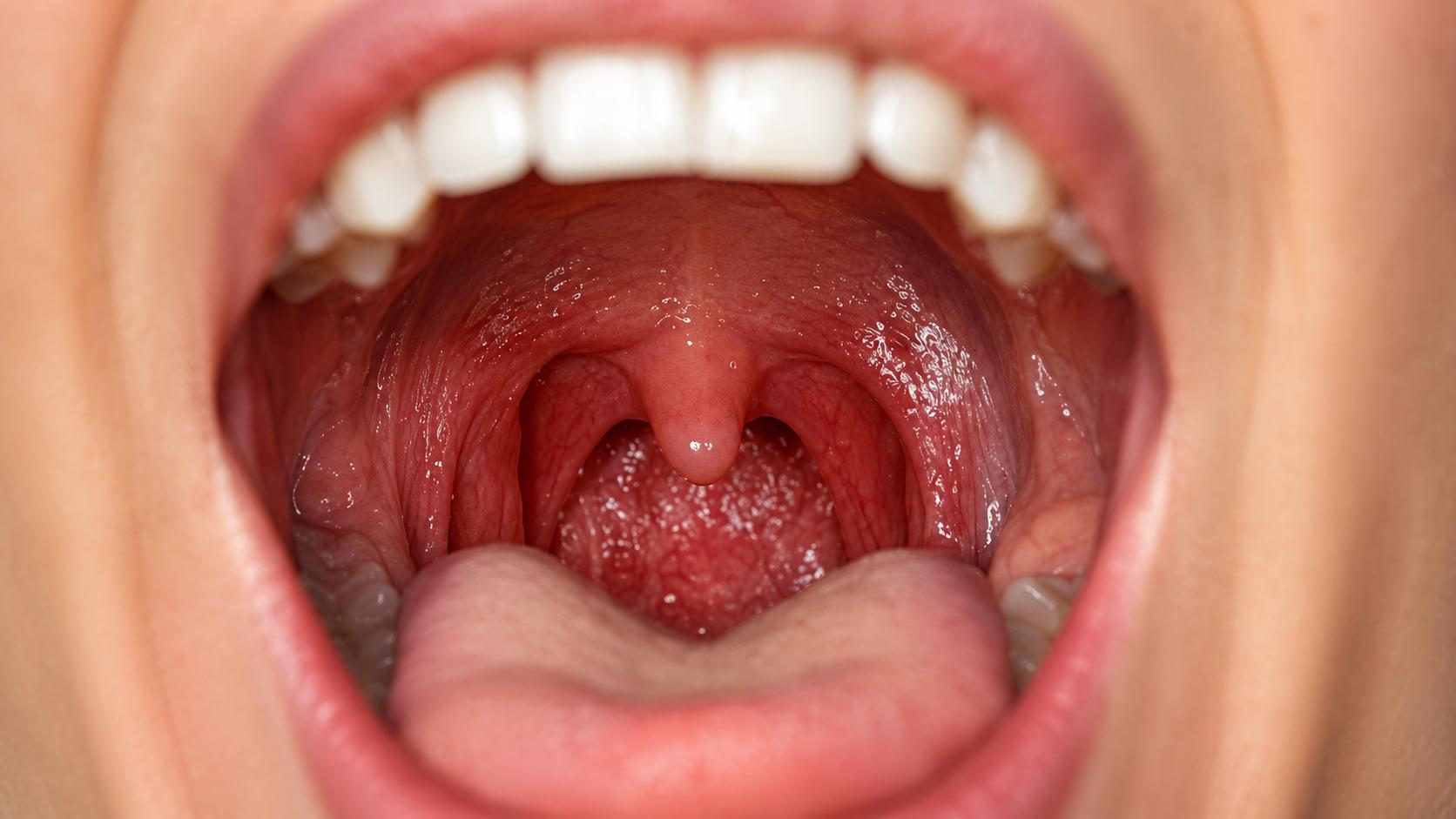
Tonsillitis refers to inflammation of the tonsils, the two small glands located at the back of the throat that form part of the body's immune system, helping trap bacteria and viruses entering through the mouth and nose. It is an extremely common condition, particularly among children and teenagers, though it can affect people of any age, and typically results from either a viral or bacterial infection.
Common symptoms include a sore throat, difficulty or pain when swallowing, red and swollen tonsils, sometimes with visible white patches or pus, a high temperature, headache, tiredness, and swollen, tender glands in the neck. Younger children may also experience stomach pain, vomiting or reduced appetite, symptoms that can occasionally make diagnosis a little less straightforward in this age group specifically.
The majority of tonsillitis cases are caused by viruses, similar to those responsible for common colds and flu, meaning antibiotics offer no genuine benefit for these cases and simply are not needed. A smaller proportion of cases result from bacterial infection, most commonly Group A Streptococcus bacteria, which can benefit from antibiotic treatment when properly identified by a healthcare professional.
Distinguishing between viral and bacterial tonsillitis based on symptoms alone remains genuinely difficult even for experienced clinicians, since both can look remarkably similar in practice. Doctors sometimes use scoring systems that take into account factors including fever, absence of a cough, and the presence of white patches on the tonsils to help estimate the likelihood of bacterial infection and guide treatment decisions.
For most cases of tonsillitis, treatment focuses on managing symptoms while the body's immune system fights off the infection naturally, including plenty of rest, staying well hydrated, taking over-the-counter painkillers to manage discomfort and fever, and using throat lozenges or warm salt water gargles to help soothe throat pain in the meantime.
When bacterial infection is genuinely suspected or confirmed, a course of antibiotics may be prescribed, and completing the full prescribed course matters considerably even if symptoms improve before the medication runs out, helping ensure the infection is properly cleared and reducing the risk of antibiotic resistance developing over time.
For people who experience recurrent tonsillitis, having multiple significant episodes within a single year, a GP may consider referral to an ear, nose and throat specialist to discuss whether tonsillectomy, surgical removal of the tonsils, could be appropriate, a decision generally based on how frequently and severely the condition is affecting quality of life.
Most cases of tonsillitis resolve within about a week without any lasting complications, though anyone experiencing severe difficulty swallowing, breathing problems, or symptoms that do not improve or worsen significantly should seek prompt medical attention, since these can occasionally indicate a more serious complication requiring further assessment.
GP practices across Newcastle generally follow national guidance discouraging unnecessary antibiotic prescribing for tonsillitis specifically, reflecting a wider, genuinely important effort to reduce antibiotic resistance while still ensuring patients who do need treatment receive it promptly and appropriately. Encouraging children with tonsillitis to eat soft, cool foods rather than forcing normal meals can help considerably during the most uncomfortable early days of the illness, while still ensuring they stay properly hydrated throughout their recovery.
Most children recover fully within a week with nothing more than rest and basic symptom relief. Using a humidifier in a child's bedroom during a bout of tonsillitis can also help ease throat discomfort overnight, adding moisture to the air in a way that many parents find genuinely helps their child settle and sleep more comfortably. It remains one of the most common, and generally most straightforward, childhood illnesses to manage.
Speaking to a pharmacist first often provides genuinely quick, useful advice on managing early tonsillitis symptoms before deciding whether further help is needed. Building confidence in recognising the difference between viral and bacterial symptoms genuinely helps most families manage the illness well. That kind of steady, practical confidence tends to make the biggest genuine difference for families.
Join the conversation below.
Did you have your tonsils removed as a child?
Health News
Tonsillitis Explained: Symptoms, Causes and Treatment
Tonsillitis is especially common in children, and understanding when symptoms suggest a viral infection versus one needing antibiotics helps guide the right treatment.
Advertisement





Comments (0)
You must be logged in to post comments.
Don't have an account? Register here
No comments yet. Be the first to share your thoughts!