
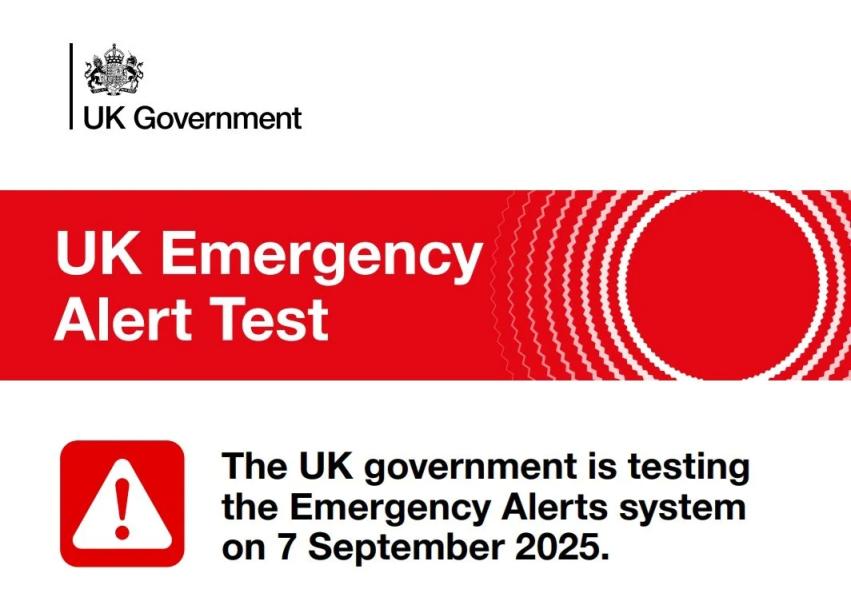
In September 2025, the UK government will conduct a nationwide test of its Emergency Alert system, sending a text to millions of mobile phones. Scheduled for Sunday, September 7, at 3pm, the alert will feature a siren-like sound and vibration, even on silent devices. This test aims to ensure the system's effectiveness in emergencies, such as severe weather events.
The upcoming test of the Emergency Alert system marks a significant step in the UK government's ongoing efforts to enhance national safety and preparedness. The system, which has been in development for several years, is designed to rapidly disseminate critical information during emergencies, including extreme weather conditions, fires, and other public safety threats. The alert will be sent to approximately 87 million mobile phones across the UK, ensuring that a vast majority of the population is reached.
The Emergency Alert system was first tested nationwide in the spring of 2023, and since then, it has been employed on several occasions to address severe weather events. Notably, alerts were issued during Storm Darragh in 2024 and Storm Owynn in early 2025, with the latter being the most extensive use of the system to date. These alerts have proven crucial in providing timely information to the public, potentially saving lives and mitigating damage.
The decision to conduct the test on a Sunday mirrors the timing of the previous nationwide test, allowing for maximum reach and minimal disruption. The alert will be accompanied by a message displayed on the screen, clearly indicating that it is a test and not an actual emergency. This precautionary measure is vital to prevent unnecessary panic and ensure that the public understands the purpose of the alert.
The government has emphasised the importance of testing the Emergency Alert system regularly, likening it to routine fire alarm tests in homes and businesses. By conducting these tests, authorities can identify and address any potential issues, ensuring that the system functions effectively when needed. This proactive approach is part of a broader action plan to build resilience across the country, as outlined in the government's Plan for Change.
The Plan for Change includes significant investments in national security and infrastructure, such as the establishment of a new network of National Biosecurity Centres and the development of advanced flood defences. These initiatives aim to protect local communities from a range of threats, including natural disasters and public health emergencies. The Emergency Alert system is a critical component of this strategy, providing a reliable means of communication during crises.
When an emergency alert is issued, it is typically sent to mobile phones but can also be delivered to tablets. The alert will trigger a loud siren-like sound, even if the device is set to silent, and will vibrate for approximately ten seconds. The message will include a phone number or a link to the GOV.UK website for further information. Importantly, alerts are based on the recipient's current location, not their home or work address, ensuring that relevant information is delivered to those in affected areas.
The ability to send alerts based on location is a key feature of the system, enabling authorities to target specific regions during emergencies. This capability is particularly valuable in situations where localised threats, such as flooding or wildfires, require immediate attention. By providing timely and accurate information, the Emergency Alert system can help individuals make informed decisions and take appropriate action to protect themselves and their families.
The test on September 7 will serve as a crucial evaluation of the system's performance, allowing authorities to gather data and feedback from the public. This information will be used to refine and improve the system, ensuring that it remains a reliable tool for emergency communication. The government encourages the public to participate in the test and provide feedback on their experiences, as this input is invaluable in enhancing the system's effectiveness.
In addition to the technical aspects of the test, the government is also focused on raising public awareness about the Emergency Alert system and its purpose. Educational campaigns and outreach efforts aim to inform the public about how the system works and what to expect during an alert. By fostering a better understanding of the system, authorities hope to increase public confidence and cooperation during actual emergencies.
As the UK continues to face a range of challenges, from climate change to public health threats, the importance of a robust and reliable emergency communication system cannot be overstated. The upcoming test of the Emergency Alert system represents a significant step forward in the nation's preparedness efforts, ensuring that the public is informed and protected in times of crisis.
Political News
UK to Conduct Nationwide Emergency Alert Test in September 2025
In September 2025, the UK government will conduct a nationwide test of its Emergency Alert system, sending a text to millions of mobile phones. Scheduled for Sunday, September 7, at 3pm, the alert will feature a siren-like sound and vibration, even on silent devices.
Advertisement





Comments (0)
You must be logged in to post comments.
Don't have an account? Register here
No comments yet. Be the first to share your thoughts!