
Urinary tract infections, commonly known as UTIs, occur when bacteria enter the urinary tract, most commonly the bladder, causing infection and inflammation. They rank among the most common bacterial infections seen in general practice, and affect women considerably more often than men, largely due to anatomical differences that make it genuinely easier for bacteria to reach the bladder in women.
Common symptoms include a burning or stinging sensation when urinating, needing to urinate more frequently or urgently than usual, cloudy or strong-smelling urine, pain in the lower abdomen or back, and, in some cases, blood visible in the urine. Symptoms typically develop fairly quickly, sometimes within just a day or two, and can range from mildly uncomfortable through to genuinely quite distressing.
Most UTIs occur when bacteria, commonly Escherichia coli normally found in the bowel, enter the urinary tract through the urethra. Various factors increase the likelihood of this happening, including sexual activity, certain types of contraception, pregnancy, menopause, having a urinary catheter, and conditions affecting the urinary tract's ability to fully empty, allowing bacteria more opportunity to multiply.
While most UTIs affect the bladder specifically, a condition called cystitis, infection can occasionally spread further up to the kidneys, causing a more serious kidney infection known as pyelonephritis. This typically causes additional symptoms including a high fever, chills, back pain and vomiting, and requires prompt medical treatment given the increased risk of more serious complications if left untreated.
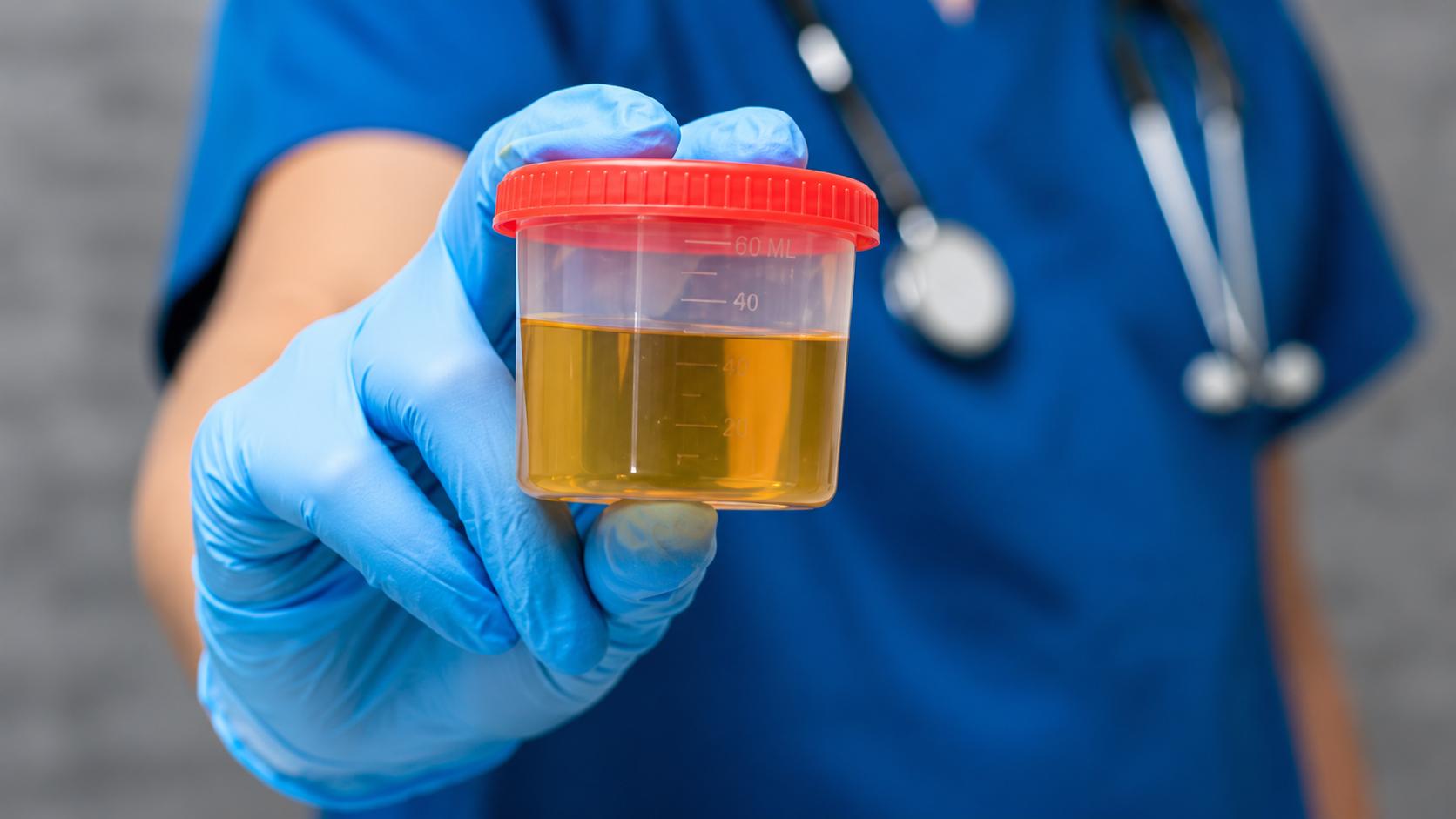
Diagnosis typically involves testing a urine sample, either using a simple dipstick test in the GP surgery or pharmacy, or sending a sample for laboratory analysis to confirm the presence of bacteria and identify the most appropriate antibiotic if needed. Many pharmacies can now also assess and treat straightforward UTI symptoms directly, without requiring a separate GP appointment first.
Treatment for most straightforward UTIs involves a short course of antibiotics, typically lasting three to seven days depending on the specific circumstances, alongside advice to drink plenty of fluids to help flush the urinary tract. Symptoms usually begin improving within a day or two of starting appropriate treatment, though completing the full prescribed antibiotic course remains genuinely important.
Certain simple measures can help reduce the risk of developing UTIs in the first place, including staying well hydrated, urinating after sexual activity, wiping from front to back, and avoiding potentially irritating products in the genital area. Some people prone to recurrent UTIs find cranberry products offer modest additional benefit, though the supporting evidence for this remains genuinely somewhat mixed.
Anyone experiencing UTI symptoms alongside a high fever, severe back pain, vomiting, or symptoms that do not improve within a couple of days of starting treatment should seek prompt medical advice, since these can indicate the infection has spread to the kidneys. For most people, however, straightforward UTIs respond quickly and completely to appropriate antibiotic treatment.
Several pharmacies across Newcastle now offer a dedicated UTI assessment and treatment service, allowing many patients with straightforward symptoms to receive appropriate antibiotics quickly without needing a separate GP appointment first, genuinely easing pressure on local GP surgeries. Avoiding tight-fitting underwear and clothing, and choosing breathable, natural fabrics where possible, can also genuinely help reduce UTI risk for some people, alongside the more commonly cited advice around hydration and toilet habits already outlined above.
Prompt treatment generally means symptoms improve within a day or two in the vast majority of cases. Emptying the bladder fully and regularly, rather than holding urine for long periods, also genuinely helps reduce the opportunity for bacteria to multiply within the urinary tract, forming a simple but consistently effective preventive habit worth building into daily routine. It remains one of the most common, and most reliably treatable, infections seen in general practice.
Speaking to a pharmacist first often provides a genuinely quick and convenient way to access treatment for straightforward, uncomplicated UTI symptoms. Building these simple habits genuinely helps most people reduce how often they experience this uncomfortable, disruptive condition.
Share your comments below.
Have you ever used a pharmacy UTI treatment service?
Health News
Urinary Tract Infections: Symptoms, Causes and Treatment
UTIs are among the most common bacterial infections in the UK, affecting women considerably more often than men, and most respond quickly to proper treatment.
Advertisement





Comments (0)
You must be logged in to post comments.
Don't have an account? Register here
No comments yet. Be the first to share your thoughts!