
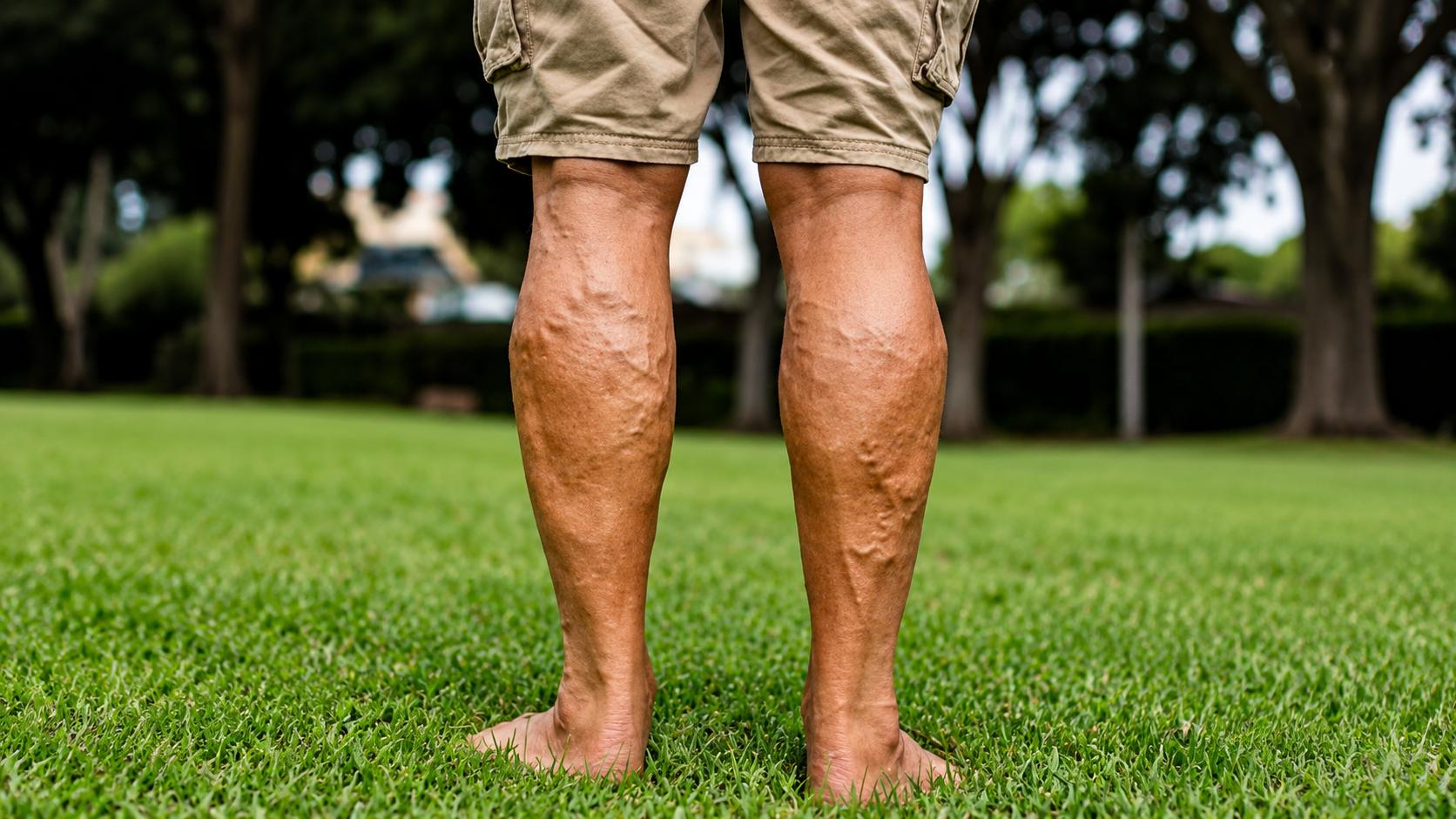
Varicose veins are swollen, twisted veins that typically appear just beneath the surface of the skin, most commonly affecting the legs and feet. They occur when the small valves inside veins, which normally help push blood back toward the heart against gravity, weaken or become damaged, allowing blood to pool and the vein to gradually stretch and become genuinely visible beneath the skin.
Varicose veins are extremely common, affecting a significant proportion of adults in the UK at some point, with risk increasing considerably with age. Other contributing factors include family history, since the condition often runs in families, being overweight, pregnancy, standing for long periods regularly, and being female, since hormonal factors appear to play a genuine role in overall risk.
For many people, varicose veins cause no symptoms beyond their visible appearance, though others experience genuine discomfort including aching, heaviness or throbbing in the legs, particularly after standing for extended periods, swelling around the ankles, and occasionally itching around the affected veins. Symptoms typically worsen throughout the day and often improve somewhat when legs are elevated and rested.
In more severe cases, varicose veins can lead to complications including skin changes around the ankle, a condition called venous eczema, or, less commonly, venous ulcers, slow-healing sores that can develop when blood flow becomes significantly impaired over a long period. These complications, while relatively uncommon, make it genuinely worthwhile addressing more troublesome varicose veins rather than simply ignoring them indefinitely.
Simple self-care measures can help manage mild symptoms for many people, including regular exercise to improve circulation, maintaining a healthy weight, elevating the legs when resting where practical, and avoiding standing or sitting in one position for excessively long periods without a break. Compression stockings, which apply gentle graduated pressure to the legs, can also genuinely help ease symptoms for many sufferers.
For varicose veins causing significant symptoms or complications, several minimally invasive treatments are now available, including endothermal ablation, which uses heat to seal off the affected vein, and sclerotherapy, which involves injecting a solution that causes the vein to close and gradually fade. These modern treatments have largely replaced traditional vein stripping surgery for most cases.
Whether treatment is genuinely necessary generally depends on the severity of symptoms and any complications present, rather than purely cosmetic preference, and NHS treatment is typically reserved for cases causing genuine discomfort or skin changes. Purely cosmetic treatment for varicose veins causing no symptoms is generally available only privately rather than through the NHS specifically.
Anyone experiencing significant leg pain, swelling, skin changes, or a vein that suddenly becomes hard, red and painful, which can indicate a blood clot, should seek prompt medical assessment. For most people with mild, purely cosmetic varicose veins, however, simple self-care measures are generally sufficient to keep any minor discomfort well managed.
NHS treatment for varicose veins across Newcastle is generally reserved for cases causing genuine symptoms or skin complications, in line with national guidance, with GP practices able to refer suitable patients on to specialist vascular services for further assessment and treatment where appropriate.
Wearing properly fitted compression stockings correctly, and replacing them roughly every three to six months as their elasticity naturally reduces with regular wear, ensures they continue providing the genuine level of support originally intended when first prescribed or purchased. Most people manage their symptoms perfectly well without ever needing more invasive treatment options.
Elevating the legs above heart level for short periods throughout the day, particularly after long periods of standing, can offer genuine symptom relief for many people, helping encourage healthy blood flow back toward the heart more effectively. It is a condition that, for most people, responds well to simple, consistent self-care measures. The Circulation Foundation offers genuinely useful resources for anyone wanting more detailed information on managing varicose veins and related conditions.
Building these habits into a daily routine genuinely helps most people keep their symptoms comfortably under control long term.
Join the discussion.
Have you tried compression stockings for varicose veins?
Health News
Varicose Veins: Causes, Symptoms and Treatment Options
Varicose veins affect a significant proportion of adults in the UK, and while often just a cosmetic concern, they can occasionally cause genuine discomfort worth addressing.
Advertisement

Comments (0)
You must be logged in to post comments.
Don't have an account? Register here
No comments yet. Be the first to share your thoughts!