
Local decision-making is often seen as something that happens behind closed doors, but across Newcastle and the wider North East, residents have more opportunities than ever to influence the issues that affect their daily lives. From housing developments and transport projects to environmental improvements and community funding, local voices can play a significant role in shaping the future of neighbourhoods.
While many people believe their opinion carries little weight, councils and public bodies increasingly rely on public feedback to guide policy decisions. Whether through voting, attending meetings or responding to consultations, residents can make a meaningful contribution to the direction of their communities.
Why Local Participation Matters.
The decisions made by local authorities have a direct impact on everyday life. Issues such as road improvements, waste collection, green spaces, public transport and local investment are all influenced by council decisions.
In Newcastle, local elections continue to be one of the most important ways residents can influence policy. During the 2024 Newcastle City Council elections, turnout reached just over 37%, meaning nearly two-thirds of eligible voters did not cast a ballot. This highlights a significant opportunity for greater public participation in shaping local priorities.
Nationally, participation in local government elections remains relatively low. Electoral Commission data shows turnout in many local elections across England often sits between 30% and 35%, demonstrating that even small increases in voter engagement can have a substantial impact on outcomes.
Taking Part In Public Consultations.
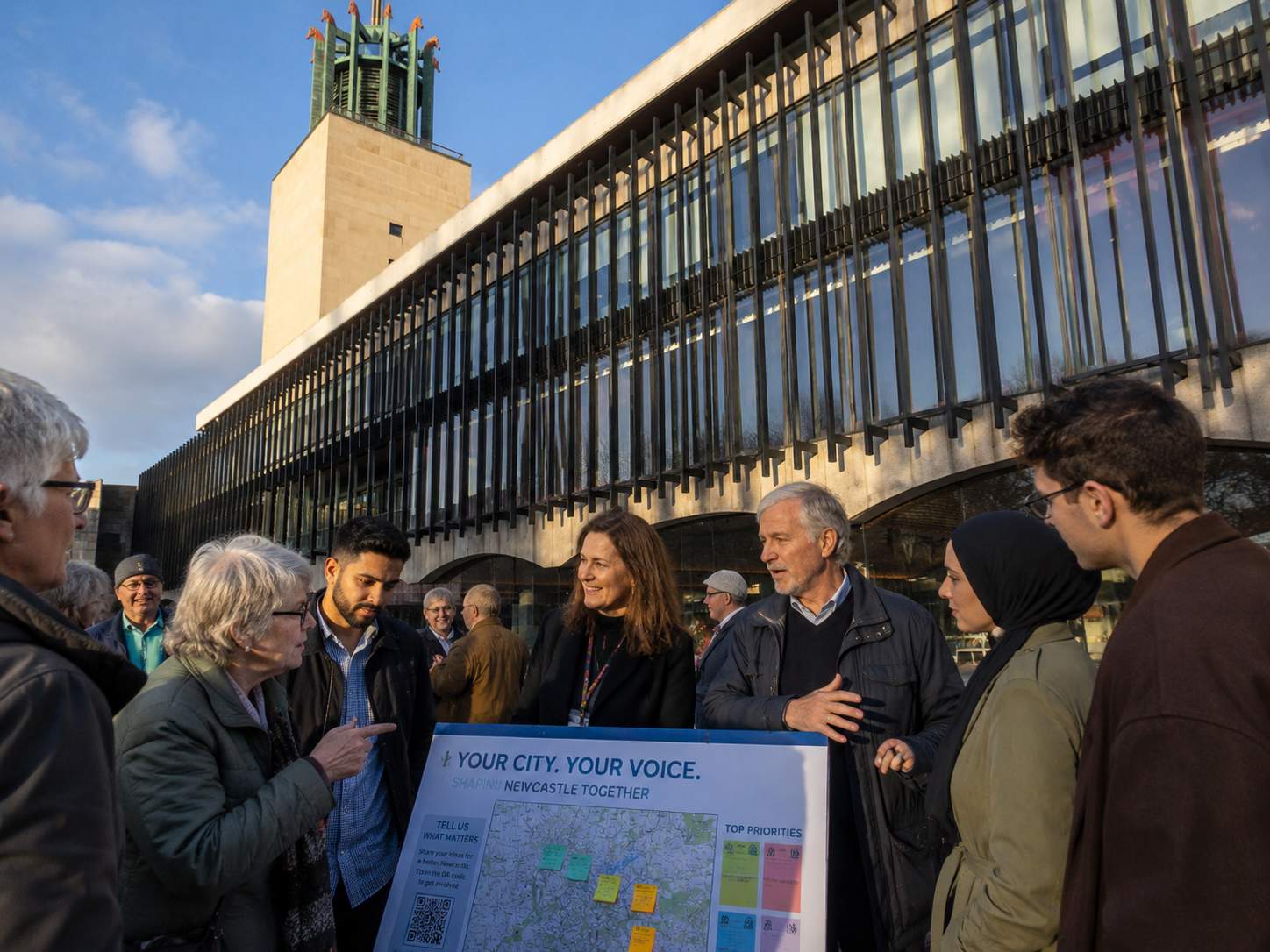
One of the simplest ways residents can influence local decisions is by participating in public consultations. Newcastle City Council regularly seeks feedback on planning applications, regeneration projects, transport initiatives and environmental policies.
Consultations give residents the opportunity to comment on proposals before decisions are finalised. Responses are reviewed by council officers and elected representatives and can help shape the final outcome of projects.
For example, major developments often undergo public consultation periods where local residents can raise concerns about traffic, parking, environmental impact or community benefits. These responses frequently result in modifications to original plans before approval is granted.
Working With Local Councillors.
Councillors are elected specifically to represent local communities and act as a link between residents and decision-makers. Newcastle City Council has 78 councillors representing wards across the city.
Residents can contact their local councillors regarding concerns ranging from anti-social behaviour and road safety to housing and planning issues. Councillors can raise matters directly with council departments and often help bring community concerns to wider attention.
Building relationships with local representatives can be an effective way to ensure neighbourhood issues remain on the agenda.
Community Groups Are Making A Difference.
Across Newcastle and the North East, community groups continue to play a major role in local decision-making. Resident associations, volunteer organisations and neighbourhood forums regularly work alongside councils and public bodies to influence local improvements.
Many successful projects have started with local residents identifying a need within their community. Improvements to parks, community gardens, litter reduction initiatives and neighbourhood events often begin through grassroots involvement.
Research consistently shows that communities with strong volunteer networks tend to experience higher levels of civic engagement and community satisfaction. By joining existing groups or helping establish new ones, residents can create lasting positive change.
Digital Platforms Are Expanding Opportunities.
Technology has made it easier than ever for people to engage with local issues. Councils increasingly use online surveys, digital consultations and social media platforms to gather public feedback.
This is particularly important for younger residents and those who may not be able to attend traditional public meetings. Online engagement allows more people to contribute views on local projects at a time that suits them.
Many Newcastle residents now access planning information, consultation documents and council updates online, making participation more accessible than in previous decades.
Voting Remains One Of The Strongest Tools.
Despite the growth of digital engagement, voting remains the most powerful way residents can influence local decision-making.
Newcastle's 2024 local elections recorded more than 70,000 votes cast across the city. However, turnout varied significantly between wards, with some areas seeing participation rates above 50% while others recorded turnout closer to 25%.
These figures demonstrate how local election results can be heavily influenced by voter participation. In many cases, relatively small numbers of votes can determine who represents an area and which policies receive priority.
By registering to vote and taking part in local elections, residents help ensure that decision-makers reflect the views of the wider community.
Building A Stronger Future For The North East.
The North East has a proud history of community action and civic involvement. From regeneration projects in Newcastle city centre to local initiatives in towns and villages across the region, residents continue to play a vital role in shaping their surroundings.
As councils face growing pressures around housing, transport, climate change and public services, community participation is becoming increasingly important. Local authorities are actively seeking feedback and encouraging residents to become part of the conversation.
Whether through voting, attending meetings, joining community groups or responding to consultations, every contribution helps create a stronger and more representative local democracy. The future of Newcastle and the wider North East will be shaped not only by elected leaders, but also by the people who choose to get involved.
Share your feedback below.
What local issue would you most like to see addressed in Newcastle or the North East?
Community News
Want Change In Newcastle? Here's How To Get Involved
Advertisement




Comments (0)
You must be logged in to post comments.
Don't have an account? Register here
No comments yet. Be the first to share your thoughts!