
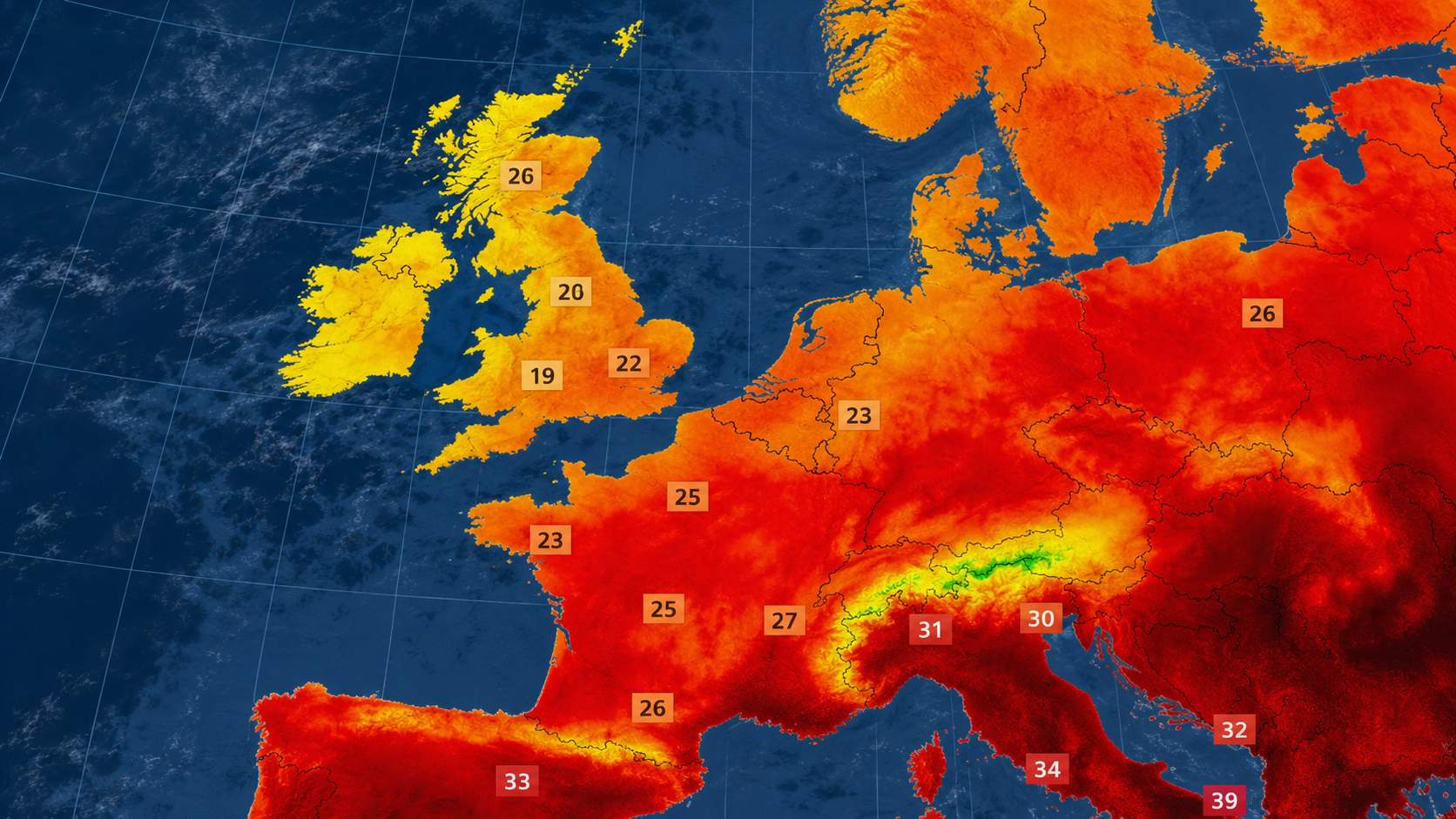
As temperatures climb and rainfall becomes less predictable, many homeowners begin asking the same question every summer: when do hosepipe bans take effect in the UK? While parts of southern England have already seen restrictions introduced or threatened during recent dry spells, people across Newcastle and the North East are wondering whether they could face similar measures.
Although Northumbrian Water has not introduced a Temporary Use Ban at the time of writing, understanding how these restrictions work can help households prepare well before any announcement is made. It can also make it easier to keep gardens healthy while reducing water use.
What is a hosepipe ban and when does it begin.
A hosepipe ban is officially known as a Temporary Use Ban, often shortened to TUB. Water companies introduce these restrictions when prolonged dry weather, increased demand and falling water supplies begin to put pressure on the network. The aim is to protect enough water for essential uses such as drinking, cooking and personal hygiene.
Unlike nationwide restrictions, hosepipe bans are introduced by individual water companies, meaning one region may face a ban while another continues as normal. Customers are usually given several days' notice before the restrictions become legally enforceable.
Anyone ignoring the rules could face fines of up to £1,000, although water companies generally focus on raising awareness before taking enforcement action.
What is the current position in Newcastle and the North East.
For customers supplied by Northumbrian Water, there are currently no formal hosepipe restrictions in place. Reservoir levels across Northumberland, Weardale and Teesdale remain within average seasonal ranges, meaning the region is in a stronger position than many areas further south.
That does not mean restrictions are impossible. Northumbrian Water states that a Temporary Use Ban could still be introduced during a significant drought if water resources come under sustained pressure. Recent summers have demonstrated how quickly weather patterns can change across the UK.
With climate experts warning that hotter, drier summers may become more common, residents are increasingly being encouraged to adopt water-saving habits throughout the year rather than waiting until restrictions are announced.
What activities are usually banned.
Most Temporary Use Bans prevent households from using a hosepipe connected to the mains water supply for activities including:
Watering lawns and flower beds.
Filling paddling pools or swimming pools.
Washing private vehicles.
Cleaning patios, driveways and decking.
Filling ornamental ponds.
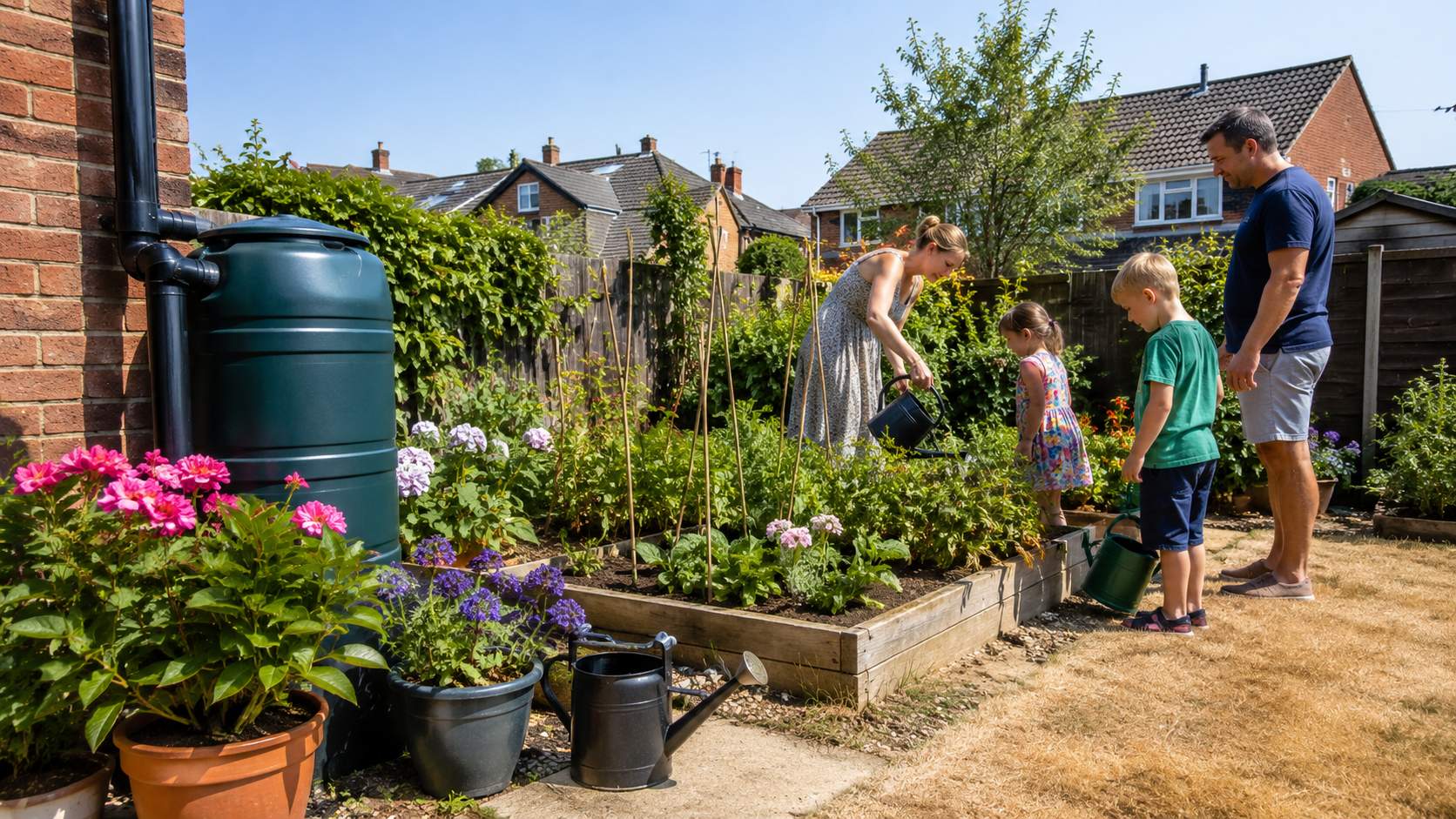
However, gardeners are still allowed to use watering cans, buckets and stored rainwater. Certain exemptions may also apply for medical needs, animal welfare and newly planted trees depending on the water company's published guidance.
How to keep your garden healthy during a hosepipe ban.
A hosepipe ban does not have to mean the end of a colourful garden. In fact, many experienced gardeners rely on water-efficient methods throughout the growing season.
Watering early in the morning or later in the evening allows moisture to soak into the soil before the heat of the day causes evaporation. Applying mulch around plants also helps lock moisture into the ground while reducing weed growth.
Installing a water butt remains one of the simplest long-term investments. Rainwater collected during wetter periods can be used freely during restrictions because it does not come directly from the mains supply.
Grey water from washing vegetables or rinsing dishes can also be reused on ornamental plants, provided it does not contain harsh cleaning chemicals.
Gardeners should prioritise newly planted shrubs, vegetables and young trees, while established lawns will usually recover naturally once rainfall returns.
Why water conservation matters.
Even when reservoir levels appear healthy, demand can increase dramatically during periods of hot weather.
The UK Government has highlighted that average personal water consumption remains around 140 litres per person each day, with ambitions to reduce that figure to 122 litres by 2038 as part of wider water efficiency plans.
Public attitudes also appear to be shifting. Waterwise research found that around 76 percent of people supported introducing hosepipe bans during hot and dry weather, recognising the need to protect water supplies during drought conditions.
Simple changes such as taking shorter showers, fixing leaking toilets and using watering cans instead of hoses can collectively save millions of litres every day.
Why North East residents should stay prepared.
Newcastle and the wider North East have generally avoided the widespread hosepipe restrictions experienced elsewhere in England, thanks partly to reliable reservoir storage and regional water resources. However, no area is completely immune from changing weather conditions.
By adopting water-saving habits now, households can help protect local supplies while keeping gardens healthy throughout the summer, regardless of whether restrictions are eventually introduced.
Share your experiences.
What is your best trick for keeping plants thriving during dry weather?
Local News
What a Potential Hosepipe Ban Could Mean for North East Homes
Advertisement



Comments (0)
You must be logged in to post comments.
Don't have an account? Register here
No comments yet. Be the first to share your thoughts!