
With the UK Government encouraging households to become more resilient in the face of national emergencies, many people are asking the same question: what should actually be in a 72-hour emergency kit?
The advice comes as ministers continue promoting the UK's updated resilience guidance, which encourages families to prepare for events ranging from severe weather and flooding to prolonged power cuts and cyber incidents. While there is no indication of an imminent attack, experts say having a basic emergency kit can help households cope if essential services are temporarily disrupted.
For families across Newcastle and the wider North East, putting together a small emergency kit is less about expecting the worst and more about being prepared for unexpected events.
Why 72 hours matters.
Emergency planning experts often recommend preparing enough supplies to be self-sufficient for at least 72 hours. Three days is widely recognised as the period during which disruption to transport, utilities or supply chains could be most noticeable before services begin returning to normal.
The UK Government's Prepare campaign encourages households to think ahead and build resilience rather than panic when emergencies occur. Alongside extreme weather and flooding, cyber incidents affecting critical infrastructure are now among the risks considered in national resilience planning. Government officials stress that preparation should become as routine as having home insurance or smoke alarms.
Food that should be in every 72-hour emergency kit.
The best emergency food is long lasting, easy to prepare and something your household already enjoys eating. There is little benefit in filling cupboards with products that will never be used.
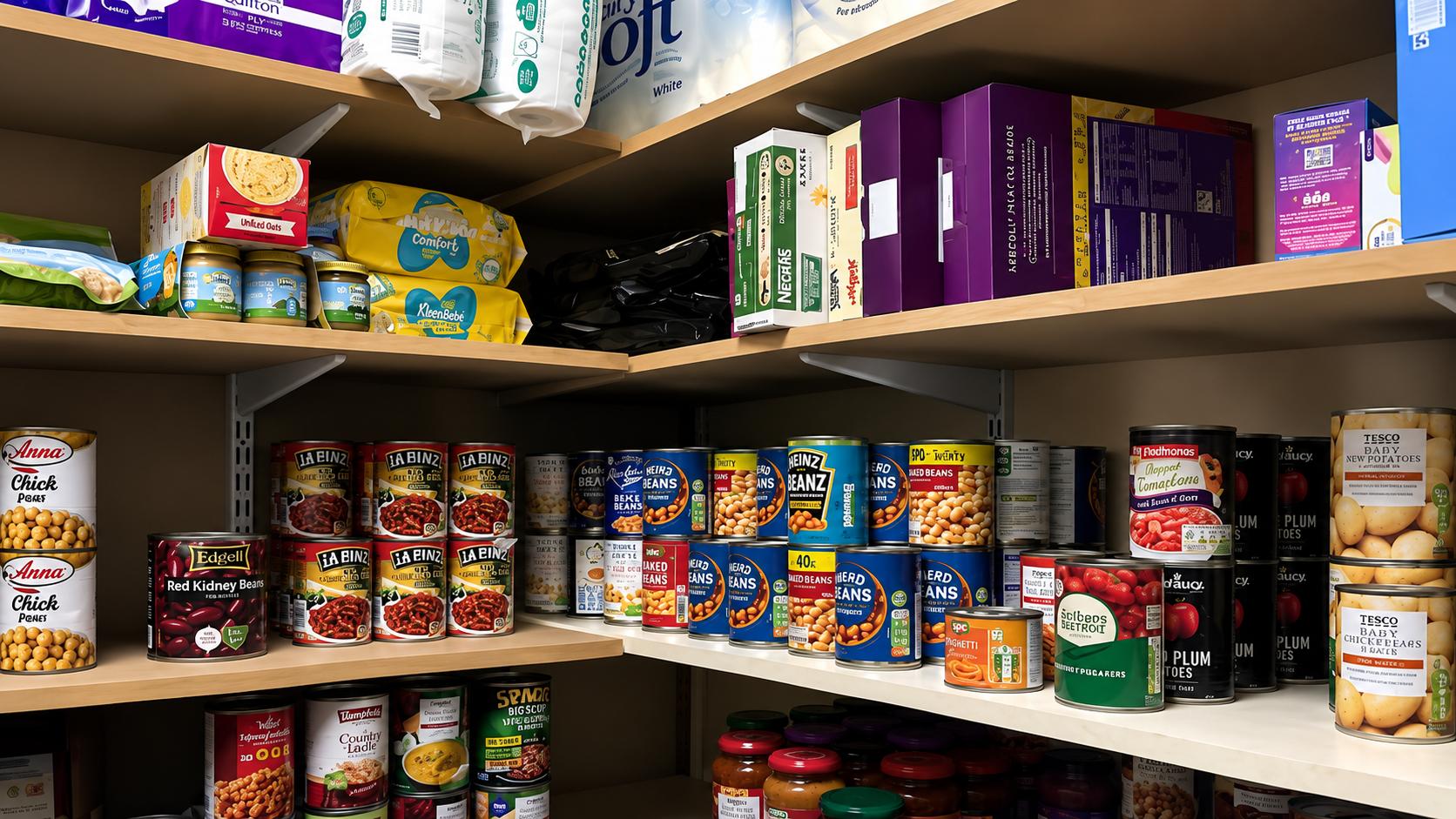
A practical emergency food supply could include baked beans, tinned soup, pasta, rice, porridge oats, crackers, long-life milk, tinned vegetables, tinned fruit, peanut butter, cereal, instant noodles, stock cubes, tea, coffee and bottled fruit juice.
Canned foods generally last several years when stored correctly, while dried pasta and rice remain among the most cost-effective foods for long-term storage.
Rather than buying everything at once, many preparedness experts recommend adding one or two extra items during the weekly supermarket shop and rotating supplies as they are used.
Water is the most important item.
Food often receives the most attention, but water should always be the priority.
Emergency preparedness guidance commonly recommends storing enough drinking water for every member of the household for at least three days, with additional supplies for cooking and basic hygiene where practical.
Even if mains water remains available during an emergency, having bottled water at home offers reassurance should local supplies become temporarily affected.
Essential medical supplies.
Every emergency kit should contain a comprehensive first aid kit.
Useful items include adhesive dressings, sterile bandages, antiseptic cream, pain relief medication, disposable gloves, scissors, cleansing wipes and medical tape.
Anyone who relies on prescription medication should ensure they have an adequate supply and order repeat prescriptions before they become urgent.
Other essentials worth keeping.
A well-prepared emergency kit should also include practical everyday items that become invaluable if electricity, mobile networks or payment systems experience disruption.
These include LED torches, spare batteries, a battery-powered or wind-up radio, fully charged power banks, charging cables, matches, a lighter, blankets, wet wipes, toilet paper, bin bags, pet food, baby supplies, copies of important documents and a small amount of cash in lower denominations.
Cash may prove useful if electronic payment systems become temporarily unavailable.
Why households in the North East should prepare.
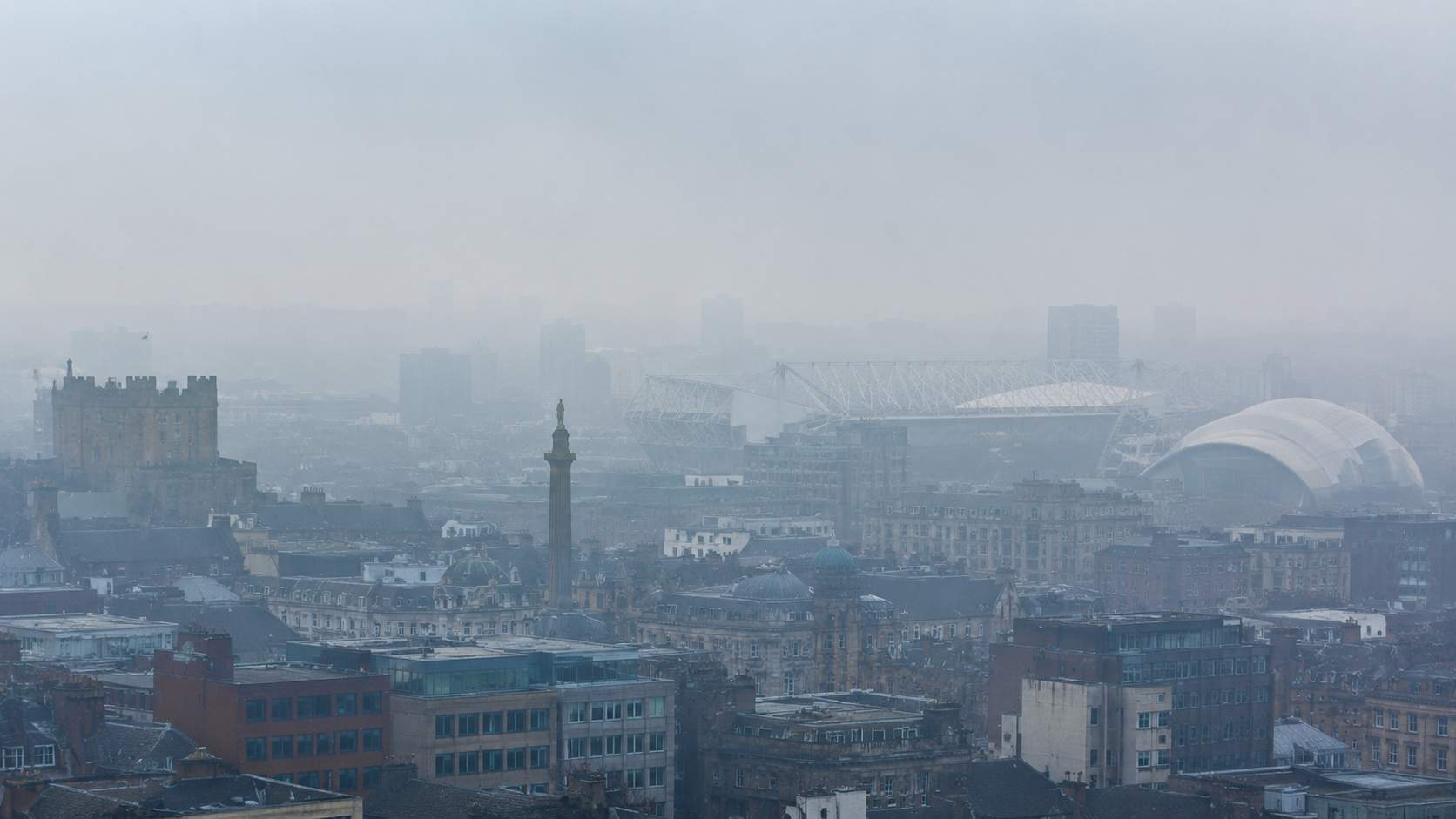
Newcastle and the wider North East are no strangers to disruption caused by storms, flooding and severe winter weather. Building a simple emergency kit is therefore useful for far more than cyber incidents alone.
The region is also home to key transport links, ports, energy infrastructure and manufacturing industries. Although cyber-attacks are typically directed at organisations rather than households, any interruption to essential services can affect everyday life across local communities.
The growing cyber security challenge.
The National Cyber Security Centre continues to warn that hostile state actors, including groups linked to Russia, remain active against organisations across the UK and Europe. Officials say businesses, government departments and critical infrastructure are the most common targets, but wider disruption can have indirect effects on the public.
Government figures also estimate cyber crime costs the UK economy billions of pounds every year, underlining why improving resilience has become an increasing priority.
Being prepared is not about panic.
Preparing a 72-hour emergency kit is about reducing inconvenience, not living in fear.
Whether disruption is caused by severe weather, flooding, a major power outage or a cyber incident, having food, drinking water and essential household supplies readily available allows families to remain comfortable while services recover.
For households across Newcastle and the North East, a small amount of preparation today could make a significant difference during tomorrow's unexpected emergency.
Share your experience.
Do you already have an emergency kit, or will this article help you to start one?
Health News
What Should A UK 72-Hour Emergency Kit Include?
With the UK Government encouraging households to become more resilient in the face of national emergencies, many people are asking the same question: what should actually be in a 72-hour emergency kit?
Advertisement




Comments (0)
You must be logged in to post comments.
Don't have an account? Register here
No comments yet. Be the first to share your thoughts!