
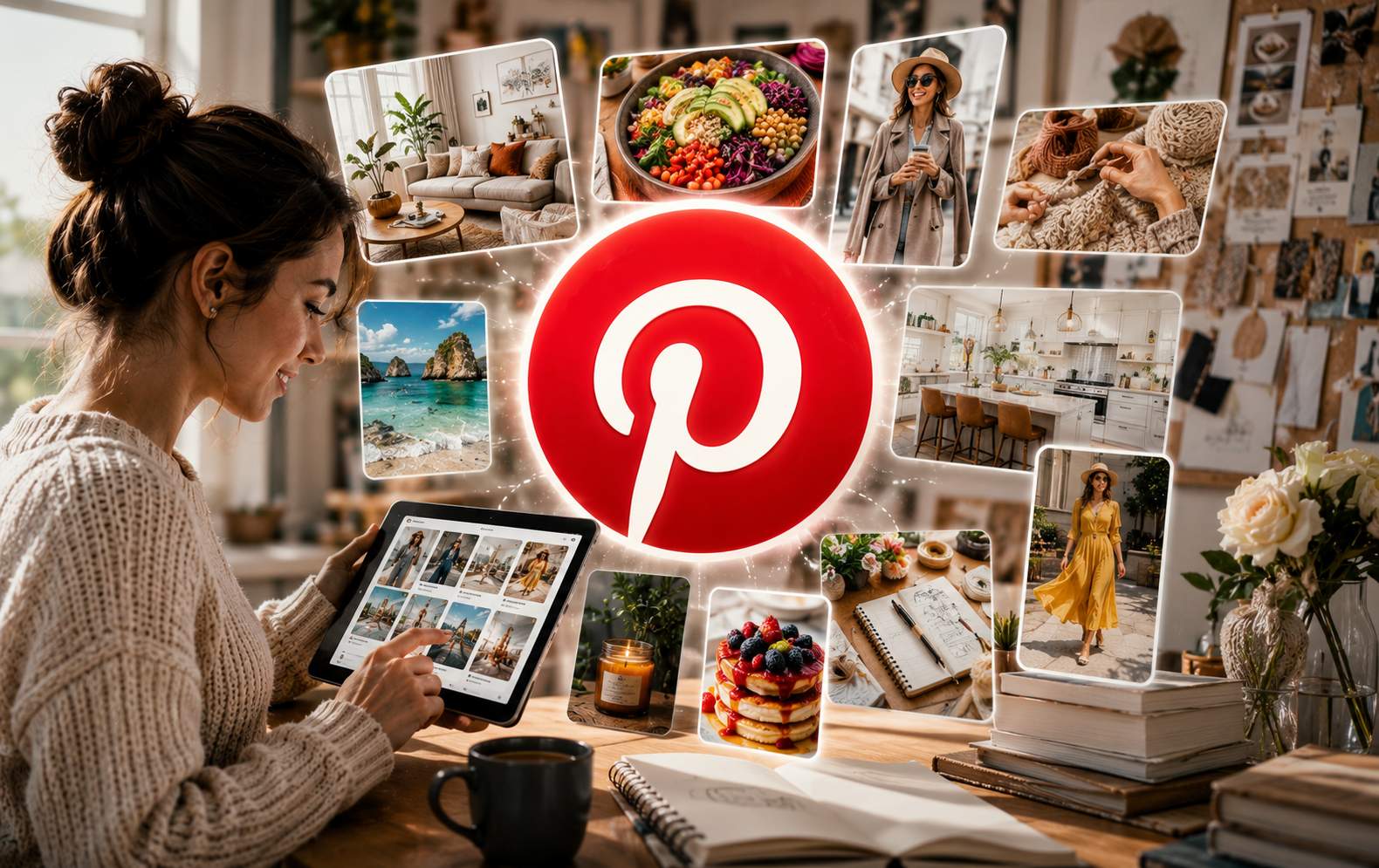
While many social media platforms focus on entertainment, influencers and fast-moving trends, Pinterest built its identity around something very different - inspiration.
Since launching in 2010, Pinterest has become one of the internet's most recognisable visual discovery platforms, helping millions of users collect ideas for fashion, home design, recipes, travel, weddings and countless other interests. Unlike platforms driven heavily by likes, followers and viral debates, Pinterest focuses more on creativity, planning and personal inspiration.
The platform created an online experience that feels calmer and more intentional compared to many traditional social media apps. Instead of endless arguments, breaking news or short-form entertainment, Pinterest encourages users to discover and organise ideas visually.
Even as TikTok, Instagram and newer platforms continue dominating headlines, Pinterest remains hugely popular because it serves a completely different purpose within online culture.
How Pinterest First Started.
Pinterest officially launched in March 2010 and was founded by Ben Silbermann, Paul Sciarra and Evan Sharp.
The original idea behind the platform was inspired by collecting and organising physical items people found interesting. Users could "pin" images and ideas onto digital boards, creating collections around topics such as recipes, fashion, interior design or travel plans.
At first, Pinterest grew slowly compared to other social media platforms. However, users quickly became deeply engaged once they joined because the platform encouraged discovery and long-term inspiration rather than fast-moving interaction.
The visual format made Pinterest stand out immediately. Instead of text-heavy feeds or status updates, the platform focused entirely on images linked to ideas and interests.
This simple concept helped Pinterest gradually build one of the internet's most loyal user communities.
Pinterest Changed Online Inspiration.
Before Pinterest became mainstream, people often discovered ideas through magazines, blogs or search engines. Pinterest streamlined this process by creating a highly visual platform designed specifically around inspiration and organisation.
Users could instantly save ideas for future reference, whether they were planning weddings, decorating homes, organising events or searching for fashion inspiration.
The platform also introduced a much more personalised style of content discovery. Pinterest boards allowed users to curate collections that reflected their personal interests and future goals.
This planning-focused structure helped Pinterest become especially popular among users seeking practical inspiration rather than entertainment alone.
Over time, Pinterest became deeply connected to online shopping, home design, recipes and lifestyle trends across the internet.
Who Mainly Uses Pinterest Today.
Pinterest's audience differs significantly from many mainstream social media platforms.
Women historically made up a large portion of Pinterest's user base, particularly in categories such as home decor, fashion, food and wedding planning. However, the platform's audience has diversified considerably over recent years.
People now use Pinterest for everything from fitness ideas and business inspiration to travel planning and technology setups. Younger audiences increasingly rely on the platform as a visual search engine rather than a traditional social network.
Businesses, creators and online stores also heavily use Pinterest because users often arrive with strong purchasing intent or planning motivation.
Unlike entertainment-driven apps, Pinterest users frequently visit the platform specifically looking for ideas they can apply in real life.
What Makes Pinterest Different From Other Platforms.
One of Pinterest's biggest differences is its focus on discovery rather than social interaction.
Platforms like Instagram and TikTok revolve heavily around creators, influencers and follower counts. Pinterest instead prioritises ideas and interests over personalities.
Users are often more focused on saving useful or inspiring content than following individual accounts. The platform behaves more like a visual search engine than a traditional social media app.
Pinterest also avoids much of the negativity and fast-paced debate commonly associated with other platforms. The content experience generally feels calmer, more positive and more goal-oriented.
Another major difference is content longevity. Pins can continue driving traffic and engagement for months or even years after being posted, unlike many social platforms where content disappears quickly from feeds.
Pinterest Became a Major Shopping Platform.
Over time, Pinterest evolved beyond inspiration alone and became increasingly connected to online shopping and e-commerce.
Users regularly discover products, home decor, fashion items and recipes through Pins linked directly to websites and online stores. Businesses quickly recognised that Pinterest audiences often have strong buying intent because many users actively search for future purchases or projects.
This commercial potential helped Pinterest become highly valuable for brands, particularly within fashion, interior design, beauty and lifestyle industries.
The platform also introduced shopping integrations that allow users to browse and purchase products more easily without leaving the app entirely.
Unlike some social media platforms where advertising can feel disruptive, Pinterest advertising often blends naturally into the discovery experience.
Pinterest and Search Behaviour Changed the Internet.
Pinterest significantly influenced how people search for visual information online.
Instead of typing broad questions into traditional search engines, users increasingly search Pinterest directly for outfit ideas, room inspiration, recipes or event planning concepts. This visual-first approach changed online discovery habits across several industries.
Pinterest also benefits heavily from seasonal trends. Searches related to Christmas decor, Halloween costumes, weddings and summer travel regularly surge months before those events actually happen.
This planning-focused behaviour makes Pinterest very different from real-time entertainment platforms where trends disappear quickly.
For many users, Pinterest became part search engine, part planning tool and part digital mood board.
Why Pinterest Appeals to Businesses and Creators.
Pinterest remains especially attractive to businesses because of the platform's long-term traffic potential.
Unlike TikTok or Instagram posts that often peak quickly before fading, Pinterest Pins can continue generating clicks and engagement for years through search and recommendations.
Bloggers, creators and online businesses frequently use Pinterest to drive traffic directly to websites, products and articles. Recipe creators, travel bloggers and home design companies have particularly benefited from the platform's structure.
Pinterest users also tend to engage differently from audiences on entertainment-driven apps. Many users arrive with specific goals, making them more likely to save, click or purchase content connected to their interests.
Criticism and Challenges Facing Pinterest.
Despite its popularity, Pinterest has faced challenges and criticism over the years.
Competition from Instagram, TikTok and Google Images increased pressure on the platform to modernise its features and improve content discovery. Some critics also argued Pinterest struggled to remain culturally relevant among younger audiences compared to more entertainment-focused apps.
Spam content, repetitive Pins and low-quality affiliate marketing posts have also frustrated some users.
Pinterest responded by improving recommendation systems, expanding video features and investing more heavily in shopping tools and creator content.
Even with growing competition, Pinterest continues maintaining a unique identity because of its focus on inspiration rather than social status or viral trends.
Why Pinterest Still Matters in 2026.
Even after more than a decade online, Pinterest remains highly relevant because it serves a purpose many other platforms do not fully replace.
The platform offers a more intentional internet experience focused on creativity, planning and personal interests rather than constant entertainment or controversy. Users often visit Pinterest with clear goals and leave with ideas they can apply directly in real life.
This practical value continues helping Pinterest attract millions of active users worldwide.
As digital fatigue and social media burnout become more common, Pinterest's calmer and less confrontational atmosphere may actually strengthen its long-term appeal.
Pinterest Continues Shaping Online Inspiration.
Pinterest fundamentally changed how people collect ideas, plan projects and discover inspiration online.
The platform helped turn visual search and digital mood boards into mainstream internet behaviour while creating one of the web's most positive and creatively focused online spaces.
Although it operates differently from most social media apps, Pinterest remains one of the internet's most influential platforms because of its deep connection to creativity, lifestyle trends and online discovery.
As online culture continues evolving, Pinterest's role as a visual inspiration platform remains stronger than ever.
Share your experience.
Do you still use Pinterest regularly for inspiration and planning or have other social media platforms replaced it for you?
Tech News
Why Millions Still Use Pinterest for Inspiration Every Day
Advertisement





Comments (0)
You must be logged in to post comments.
Don't have an account? Register here
No comments yet. Be the first to share your thoughts!