
From puffins nesting on dramatic cliffs to grey seals basking along the shoreline, the North East is home to some of Britain's most remarkable marine wildlife. National Marine Week is an annual celebration of the UK's seas, offering people the chance to discover the incredible creatures and habitats found around our coastline while learning why protecting them has never been more important.
Running from 25 July to 9 August 2026, National Marine Week is organised by The Wildlife Trusts and lasts for 16 days to give people across the UK the best opportunity to explore the coast during favourable tides. This year's theme focuses on the "Incredible Journeys" made by marine wildlife, from migrating whales and seabirds to salmon, eels and sharks.
For people in Newcastle and across the North East, it is also the perfect excuse to rediscover the region's spectacular coastline, stretching from the mouth of the River Tyne to the Farne Islands and beyond.
The North East is rich in marine wildlife.
Although Newcastle is best known for the River Tyne, the city's close connection to the North Sea means residents are never far from world-class marine habitats.
Within an hour's drive, visitors can reach the Northumberland coast, where dolphins, harbour porpoises, grey seals and thousands of seabirds can be spotted throughout the year. The Farne Islands remain one of Britain's best-known wildlife destinations, attracting visitors hoping to see puffins, Arctic terns and one of England's largest grey seal colonies.
National Marine Week also includes Shorewatch events organised by Northumberland Wildlife Trust, giving families the chance to observe dolphins, whales and seabirds from the coastline while learning about conservation from local experts.
Why National Marine Week matters.
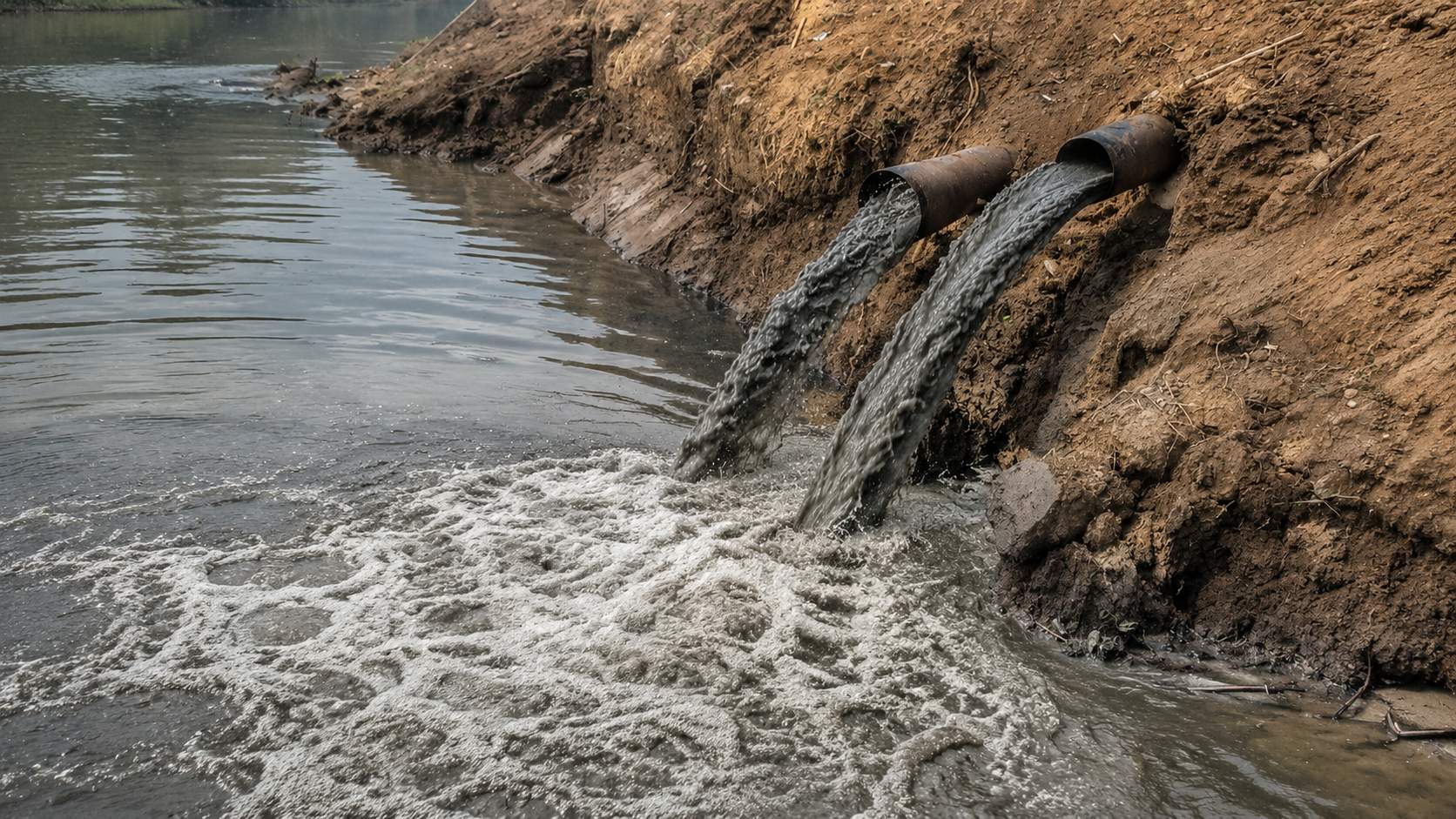
The UK's seas support an extraordinary range of wildlife, but they also face increasing pressure from climate change, pollution, habitat loss and unsustainable fishing.
According to the latest figures published by the Joint Nature Conservation Committee, the UK now has 378 Marine Protected Areas, covering approximately 38 percent of UK waters. These protected areas help conserve important habitats including reefs, sandbanks, kelp forests and breeding grounds for marine species.
In English waters alone, there are 178 Marine Protected Areas, covering around 51 percent of inshore waters and 37 percent of offshore waters.
While these figures show significant progress, conservation organisations continue to argue that protecting marine habitats is only effective when strong management and enforcement are in place.
Incredible wildlife is closer than many people realise.
Many people are surprised by the variety of species living just off the North East coast.
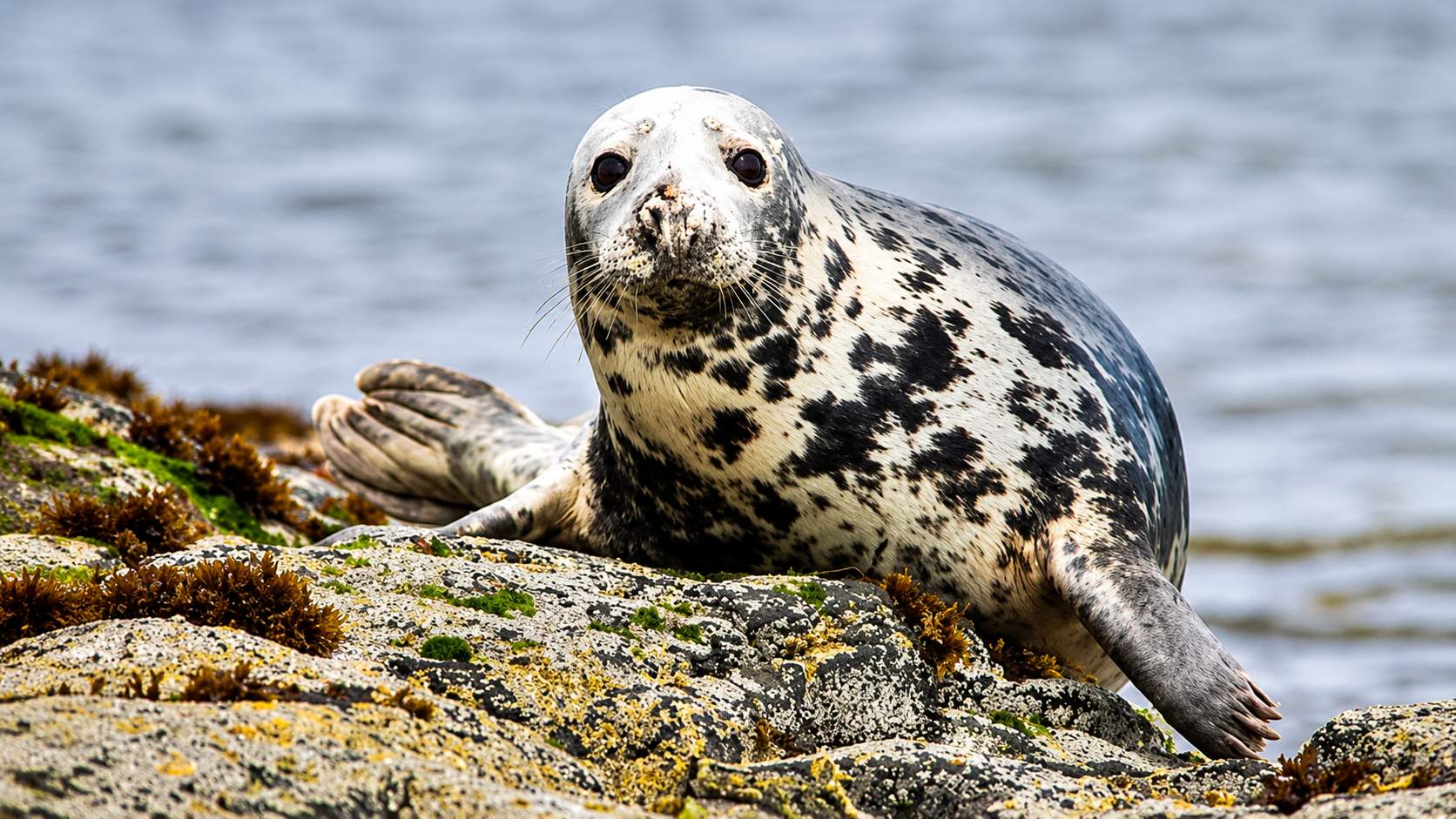
Grey seals can often be seen resting on rocks around Northumberland, while bottlenose dolphins and harbour porpoises are regularly spotted offshore. During migration, minke whales and even humpback whales have occasionally been recorded in North Sea waters.
Seabirds are another major attraction. The Farne Islands host internationally important breeding colonies of puffins, guillemots, razorbills and Arctic terns, drawing wildlife photographers from across the UK every summer.
National Marine Week encourages people to appreciate these species responsibly by observing wildlife from a safe distance and avoiding disturbance during breeding seasons.
Small actions can make a big difference.
Protecting marine life does not always require major lifestyle changes.
Conservation groups recommend taking reusable bottles and food containers to the beach, disposing of litter responsibly and joining organised beach cleans where possible. Even small pieces of discarded plastic can eventually enter the sea, posing risks to birds, fish and marine mammals.
The Marine Conservation Society's annual Great British Beach Clean regularly records thousands of pieces of litter on UK beaches every year, highlighting the ongoing challenge of marine pollution.
Choosing sustainably sourced seafood and supporting local conservation projects are also simple ways individuals can help protect marine ecosystems for future generations.
Exploring the coast safely.
National Marine Week is also an opportunity to remember that the coast deserves respect as well as admiration.
The North Sea can change rapidly, with powerful tides, cold water and unpredictable weather creating hazards even on sunny days. The RNLI advises visitors to check tide times, stay away from cliff edges, supervise children near the water and avoid inflatables at beaches where offshore winds are present.
People visiting rocky shores should wear suitable footwear to reduce the risk of slipping, while anyone exploring rock pools should take care not to damage delicate marine habitats.
These simple precautions allow families to enjoy everything the North East coastline has to offer while helping protect both themselves and the wildlife around them.
A chance to reconnect with the sea.
National Marine Week is about much more than organised events. It is a reminder that the sea shapes communities across the North East, from Newcastle and South Shields to Tynemouth, Whitley Bay and Northumberland.
Whether it is spotting dolphins from the coast, discovering tiny creatures in a rock pool or simply enjoying a walk beside the waves, every visit offers an opportunity to better understand one of the UK's richest natural environments.
As National Marine Week 2026 gets underway, organisers hope more people will discover that protecting our seas begins with appreciating what is already on our doorstep. For the North East, that means celebrating a coastline that remains one of Britain's greatest natural treasures.
Share your favourite sightings in the comments.
Have you ever spotted dolphins, seals or puffins along the North East coast?
Community News
Why National Marine Week Matters In The North East More Than Ever
Advertisement




Comments (0)
You must be logged in to post comments.
Don't have an account? Register here
No comments yet. Be the first to share your thoughts!