
For more than a century, a particular kind of institution stood at the heart of community life across the North East. The working men's club, a social club run by and for its members, was once found in almost every town and village in the region, a place of entertainment, companionship and belonging. Though their numbers have declined, these clubs played an enormous part in the social life of the region, and their story is an important part of its heritage.
A Place for the People.
Working men's clubs grew up in the nineteenth century as places where working people could meet, relax and enjoy themselves in their own surroundings. In an age when the lives of working men and their families were often hard, the clubs offered an affordable and respectable place to socialise, away from the pressures of work and the home. They were run democratically by their members, who paid a small subscription and shared in the governance of the club, giving people a sense of ownership and belonging. The clubs were, in a real sense, institutions of the community, created and sustained by ordinary people.
The Social Hub.
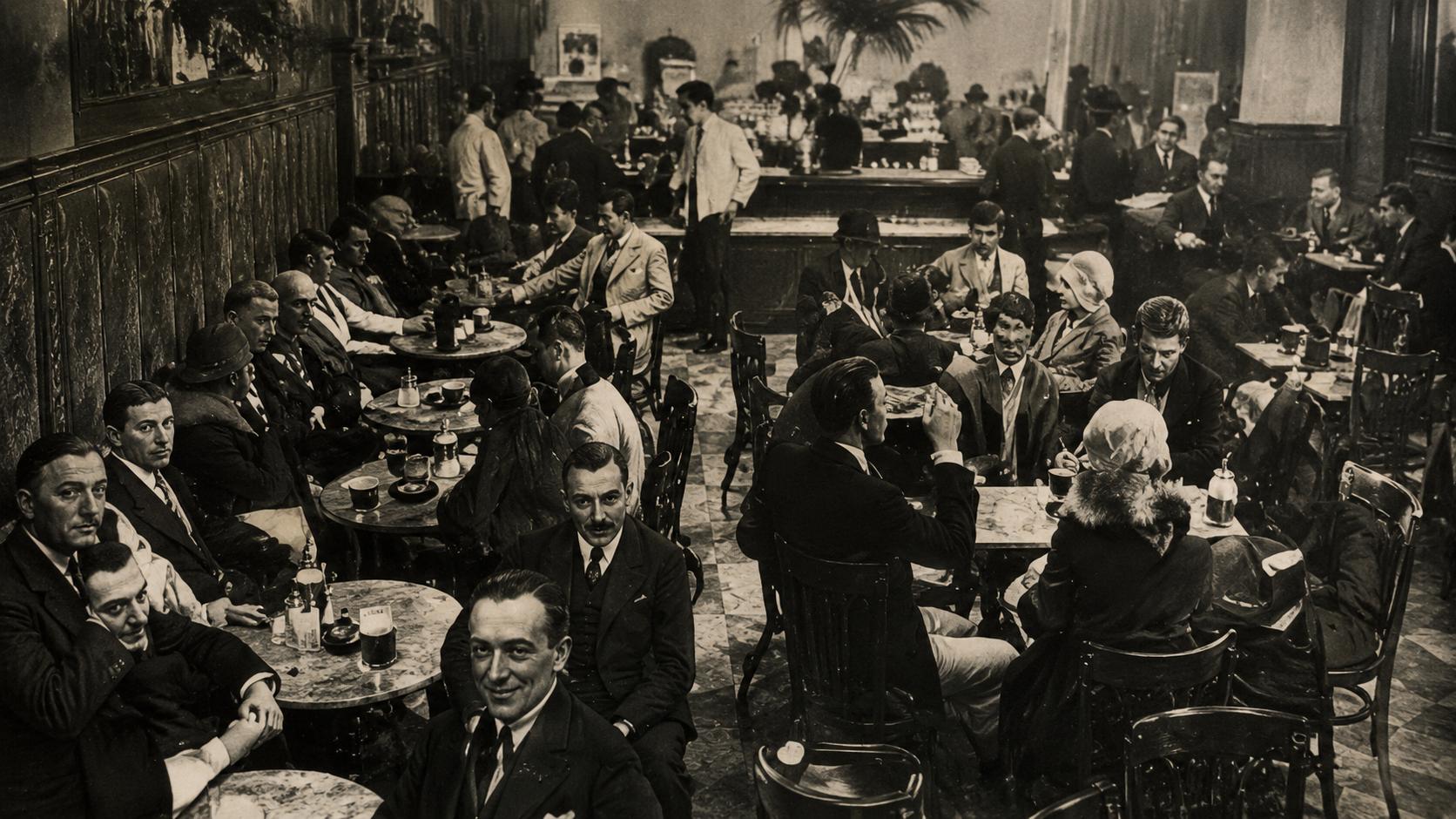
In their heyday, working men's clubs were the social hub of their communities. They were places to meet friends, to enjoy a drink and a chat, to play games such as dominoes, darts and snooker, and to take part in the life of the community. Whole families used the clubs, with events and entertainment that brought together people of all ages. For many, the club was a second home, a familiar and welcoming place where everyone knew one another and where the bonds of community were forged and renewed. The club was where the life of the neighbourhood happened.
A Stage for Entertainment.
One of the most distinctive features of the working men's club was its concert room, where live entertainment was provided for the members. Singers, comedians and other performers appeared on the club stage, and the clubs became an important circuit for entertainers across the region and the country. Many performers who went on to fame and success began their careers on the working men's club circuit, learning their craft before the demanding but loyal audiences of the clubs. The entertainment, along with the popular game of bingo, drew people in their numbers and made the clubs lively centres of fun and sociability.
Run by the Members.
What set the working men's club apart from the ordinary pub was that it belonged to its members. The clubs were run by committees elected from among the membership, and the members took genuine pride in their club and its affairs. This democratic structure gave people a stake in their club and a voice in how it was run, fostering a strong sense of community and shared responsibility. The traditions and rules of the clubs, sometimes elaborate, were part of their character, and the role of the club committee was a respected one within the community. The clubs were a school of self-organisation as well as a place of leisure.
A Pillar of Working Life.
The working men's clubs were closely bound up with the industrial life of the region, flourishing alongside the pits, the shipyards and the factories that employed so many. They reflected the values of the working communities they served, of solidarity, mutual support and shared enjoyment, and they provided a vital social outlet for people whose working lives were demanding. The clubs were a pillar of the close-knit communities of the industrial North East, part of the same culture that produced the trade unions, the welfare halls and the other institutions of working-class life.
Facing Decline.
The decline of the working men's clubs has mirrored the wider changes in society and in the region. The disappearance of the industries with which they were associated, changing patterns of leisure and socialising, and the rise of new forms of entertainment have all taken their toll, and many clubs have closed their doors. The institution that was once so central to community life has become far less common, and its decline has been keenly felt in many communities. Yet a good number of clubs survive, adapting to changing times while holding on to their traditions and their role as community gathering places.
A Cherished Legacy.
The working men's clubs are an important part of the social history of the North East, institutions that did so much to enrich the lives of ordinary people and to bind communities together. They offered entertainment, companionship and a sense of belonging to generations of people, and they reflected the best values of the communities they served. Though their great days may have passed, the clubs that remain continue to play a valued role, and the memory of what they meant endures. They are a reminder of a time when community life had a warm and welcoming home at the heart of every neighbourhood.
A School of Democracy.
One of the less obvious but most valuable aspects of the working men's club was the way it served as a kind of school of democracy and self-organisation for ordinary people. The clubs were run by their members through elected committees, and the business of governing a club, with its rules, its finances and its decisions, gave working people genuine experience of organisation and responsibility.
For many, the club offered a first taste of holding office, of speaking at meetings and of taking part in the collective management of an institution. This experience was valuable in itself, fostering skills and confidence, and it was part of a wider culture of self-organisation among the working communities of the North East that also produced the trade unions, the cooperative societies and the friendly societies.
The clubs reflected a belief that ordinary people could and should run their own affairs, coming together to provide for their own needs and pleasures rather than depending on the charity or direction of others. This spirit of independence and mutual support was a powerful and admirable feature of working-class life in the region, and the clubs were one of its most enduring expressions.
In learning to govern their own institutions, the members of the working men's clubs were practising the arts of citizenship and cooperation, and the clubs thus played a quiet but important role in the civic life of their communities, nurturing the habits of self-reliance and collective responsibility that did so much to shape the region.
We want to hear from you.
Working men's clubs were once the warm and welcoming heart of communities across the region.
What are your memories of your local working men's club?
Lifestyle News
The Heart of the Community: North East Working Men's Clubs
A celebration of the North East working men's club, the member-run social institution that was once the entertainment and community hub of every neighbourhood.
Advertisement




Comments (0)
You must be logged in to post comments.
Don't have an account? Register here
No comments yet. Be the first to share your thoughts!