
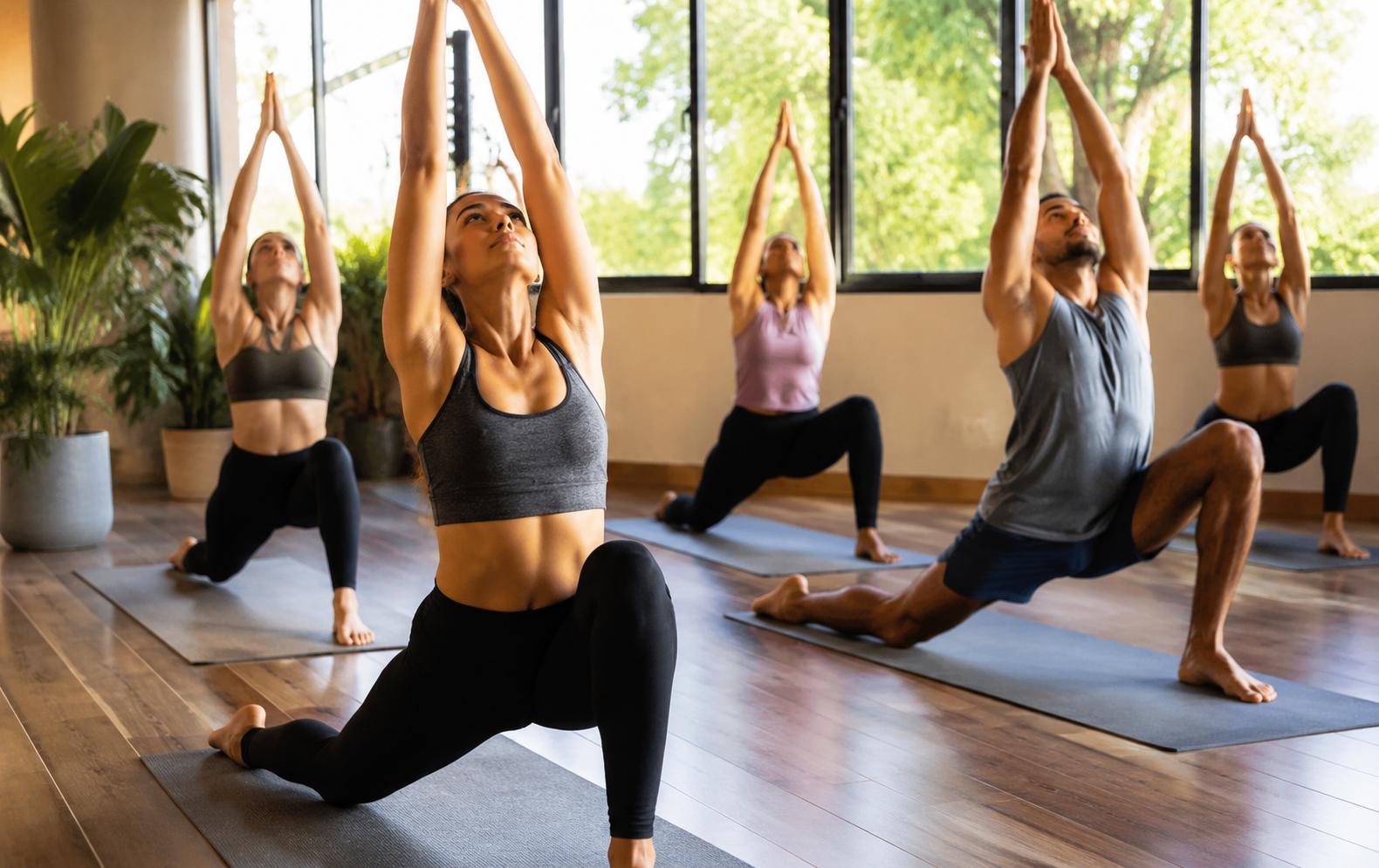
The global rise of yoga for health and wellness is no longer limited to fitness studios or spiritual retreats. What was once considered a niche lifestyle practice has evolved into one of the fastest-growing wellness movements in the world. From busy professionals looking to reduce stress to older adults searching for low-impact exercise options, yoga has become a central part of modern health routines across multiple generations.
Health experts, fitness trainers, and wellness companies are now recognizing yoga as more than a physical workout. It is increasingly viewed as a complete mind-body practice that supports mental clarity, emotional balance, flexibility, strength, and long-term well-being. As awareness around preventive healthcare continues to grow, yoga is becoming a preferred solution for millions seeking healthier lifestyles without relying entirely on intense gym programs or medical interventions.
A Global Wellness Trend Expands.
The popularity of yoga has accelerated significantly over the last decade, but recent years have seen an even greater surge in participation. Industry analysts report rising enrollment in yoga classes, increased downloads of yoga and meditation apps, and a sharp increase in online wellness communities focused on mindfulness and movement.
Part of this growth comes from changing attitudes toward health. Consumers are no longer focused solely on weight loss or appearance. Many people are now prioritizing mental wellness, stress management, sleep quality, and sustainable fitness habits. Yoga naturally aligns with these goals because it combines movement, breathing techniques, and mindfulness into a single practice.
Social media has also contributed to yoga’s growing visibility. Platforms filled with beginner-friendly routines, wellness advice, and home yoga tutorials have introduced millions of people to the practice. Unlike traditional fitness programs that can feel intimidating, yoga is often perceived as accessible and adaptable to all fitness levels.
Mental Health Awareness Fuels Interest.
One of the strongest drivers behind yoga’s growth is increased awareness surrounding mental health. Anxiety, burnout, and stress-related conditions have become major concerns in modern society, especially among younger professionals and students balancing demanding schedules.
Yoga is frequently recommended by wellness experts because it encourages relaxation while improving physical activity levels. Controlled breathing exercises and mindfulness techniques used during yoga sessions may help lower stress levels and improve focus. Many participants report feeling calmer and more emotionally balanced after consistent practice.
Corporate workplaces are also embracing yoga as part of employee wellness programs. Businesses aiming to improve productivity and reduce burnout are introducing yoga sessions during work hours or partnering with wellness instructors for virtual classes. Human resource departments increasingly view wellness initiatives as investments in long-term employee health and retention.
Mental health professionals have also started integrating yoga into broader wellness treatment plans. While yoga is not a replacement for medical care, therapists and healthcare providers often recognize its value in supporting emotional regulation and stress reduction.
Yoga Becomes More Accessible Than Ever.
Accessibility has played a major role in yoga’s widespread adoption. Years ago, attending yoga classes often required expensive memberships or access to specialized studios in larger cities. Today, yoga can be practiced almost anywhere.
Online streaming platforms, mobile applications, and social media creators have transformed how people engage with yoga. Free beginner classes are available within seconds, making it easier for newcomers to explore the practice without financial pressure.
The expansion of virtual wellness services during the pandemic also permanently changed the yoga industry. Many instructors who shifted to online teaching discovered they could reach broader audiences beyond local communities. As a result, hybrid yoga models combining in-person and digital instruction have become increasingly common.
This accessibility has encouraged participation from demographics that previously felt excluded from traditional fitness environments. Older adults, individuals recovering from injuries, and beginners unfamiliar with gym culture often find yoga more approachable because routines can be modified to fit personal needs.
Local Studios Reflect Newcastle’s Wellness Boom.
Across Newcastle upon Tyne, yoga studios are seeing growing interest as more residents focus on mental health, flexibility, mindfulness, and low-impact fitness. Studios including Happy Yoga Newcastle near the city centre, The Modern Yoga Studio in Gosforth, and Hotpod Yoga Newcastle in Jesmond have become popular destinations for people seeking stress relief and holistic wellness through regular yoga practice.
Local instructors say demand has increased among both younger professionals and older adults looking for sustainable ways to improve overall health. Many studios now offer beginner-friendly classes, meditation sessions, pregnancy yoga, and mobility-focused workshops designed to appeal to a broader audience. The rise in participation across Newcastle mirrors national wellness trends, where yoga is increasingly viewed as part of a healthy lifestyle rather than simply a fitness activity.
The popularity of community-based wellness spaces has also contributed to stronger local engagement. Rather than focusing purely on exercise, many Newcastle yoga studios are building supportive environments centred around mindfulness, social connection, and long-term well-being. Wellness experts believe this shift toward balanced health routines will continue driving growth in yoga participation across the North East in the coming years.
Healthcare Professionals Support Yoga Practices.
Medical professionals are paying closer attention to yoga’s role in preventive healthcare and recovery support. Research into movement-based wellness programs continues to expand, with studies examining yoga’s impact on flexibility, mobility, posture, stress management, and chronic pain.
Physical therapists and rehabilitation specialists sometimes incorporate yoga-inspired stretching techniques into treatment programs for patients recovering from injuries or dealing with mobility limitations. Gentle yoga practices are particularly popular among older adults seeking low-impact exercise that improves balance and coordination.
Doctors are also encouraging patients to adopt healthier lifestyle habits before health conditions become severe. Because yoga promotes movement while reducing stress, it fits naturally into broader conversations around preventive wellness and healthy aging.
Fitness experts note that yoga complements many other forms of exercise. Athletes often use yoga to improve flexibility and recovery, while runners and weightlifters incorporate stretching routines to enhance mobility and reduce muscle tension.
The Business of Wellness Continues to Grow.
The rising demand for yoga has contributed to rapid growth within the broader wellness industry. Yoga apparel brands, wellness retreats, fitness apps, and health-focused travel experiences have all benefited from increased consumer interest.
Retail companies now market yoga clothing as everyday fashion, reflecting how wellness culture has become integrated into daily life. Hotels and travel destinations frequently advertise yoga retreats and mindfulness experiences to attract health-conscious travelers looking for restorative vacations.
The digital fitness economy has also seen substantial growth. Subscription-based yoga platforms offering guided classes, meditation programs, and personalized wellness coaching continue to attract users worldwide. Industry analysts believe this market will continue expanding as consumers seek flexible ways to maintain healthy routines from home.
At the same time, local yoga studios remain important community spaces. Many independent instructors emphasize personal connection, emotional support, and community engagement as key reasons people continue attending in-person classes despite the convenience of online options.
Younger Generations Embrace Holistic Health.
Millennials and Gen Z consumers are significantly influencing the future of wellness trends, and yoga sits at the center of this cultural shift. Younger generations often prioritize experiences and self-care practices that support long-term physical and mental well-being rather than quick fitness fixes.
Many younger adults are actively searching for balanced lifestyles that combine exercise, mindfulness, nutrition, and emotional wellness. Yoga naturally fits into this broader holistic health movement because it encourages sustainable habits rather than extreme training methods.
Schools and universities are also introducing mindfulness and yoga programs designed to support student wellness. Educators increasingly recognize that stress management and emotional resilience are essential components of academic success and overall health.
Social acceptance surrounding mental health conversations has further normalized yoga as part of everyday self-care routines. Rather than being viewed as an alternative lifestyle activity, yoga is now widely accepted as a mainstream wellness practice.
The Future of Yoga and Wellness.
Industry experts believe yoga will continue expanding as global interest in health and wellness grows. Consumers are increasingly seeking practices that support both physical fitness and emotional resilience, particularly in a world shaped by digital overload and fast-paced lifestyles.
Innovation within the yoga industry is also expected to continue. Personalized wellness technology, wearable fitness devices, and AI-driven health apps are already being integrated into yoga experiences. Despite these technological advancements, many instructors stress that yoga’s core appeal remains rooted in simplicity, mindfulness, and human connection.
As healthcare systems place greater emphasis on preventive care and wellness education, yoga may become even more integrated into public health initiatives and community programs. From schools and workplaces to healthcare clinics and fitness centers, yoga is steadily becoming part of everyday life for people seeking healthier and more balanced routines.
The continued growth of yoga reflects a larger shift in how society defines wellness. People are no longer focused solely on physical appearance or intense exercise regimens. Instead, many are searching for sustainable practices that improve overall quality of life, and yoga appears positioned to remain a major part of that journey for years to come.
Have you noticed the growing impact of yoga on health and wellness in Newcastle or beyond? Share your thoughts, favourite yoga studios, or personal wellness experiences in the comments below.
Health News
Yoga for Health and Wellness Sees Rapid Growth Across All Ages
Advertisement





Comments (0)
You must be logged in to post comments.
Don't have an account? Register here
No comments yet. Be the first to share your thoughts!