
For years, certain foods have developed a bad reputation. From eggs and potatoes to popcorn and coffee, many everyday favourites have been unfairly labelled as unhealthy. But nutrition experts now say that several of these foods can actually provide impressive health benefits when eaten in moderation.
As healthy eating trends continue to dominate social media and online searches, many people are looking for the truth about which foods genuinely deserve a place in a balanced diet. Surprisingly, some foods once considered “bad” may actually support heart health, improve energy levels, aid digestion, and even help with weight management.
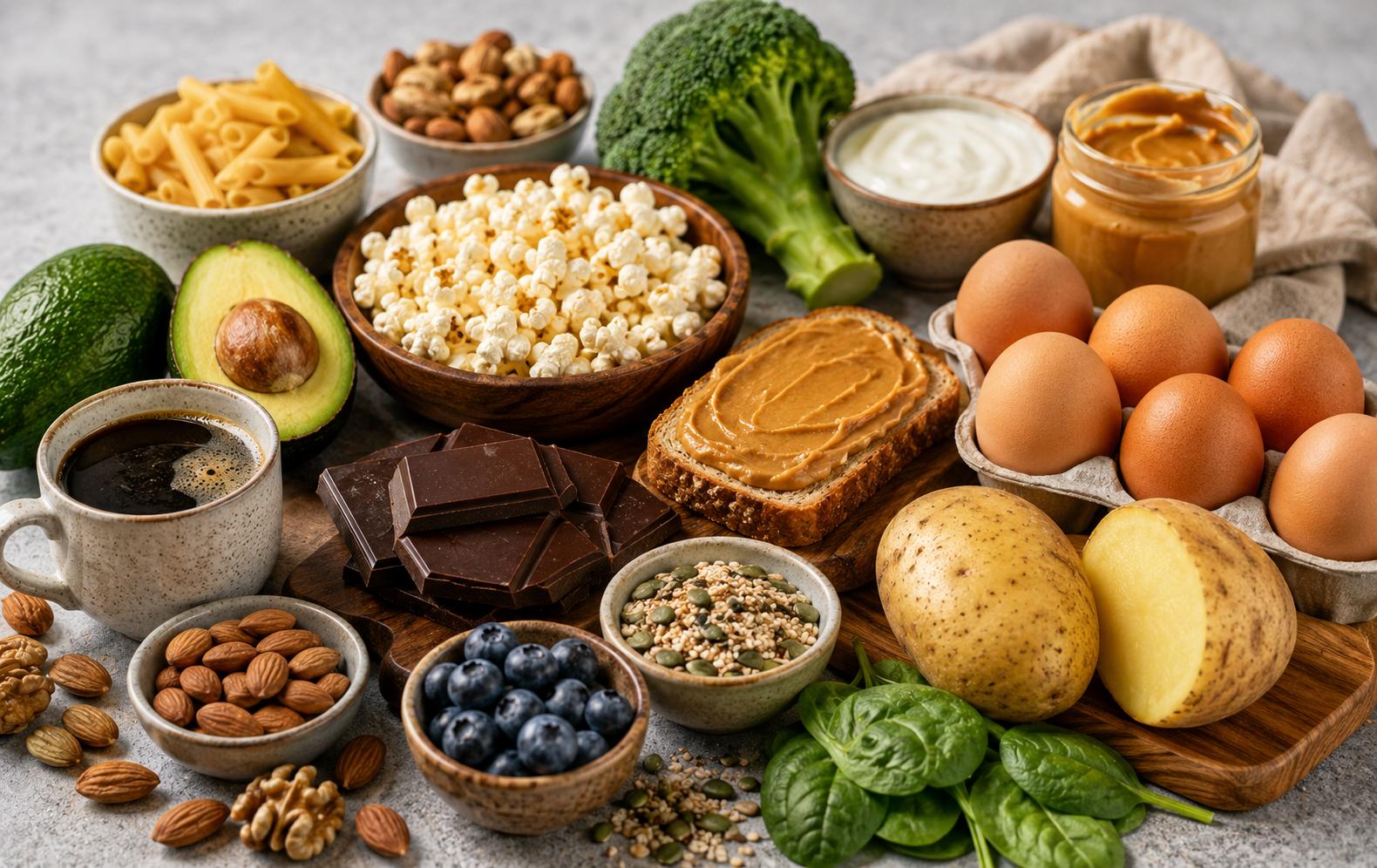
Here are 10 foods people often think are unhealthy - but are actually good for you.
1. Eggs.
Eggs were once criticised because of their cholesterol content, leading many people to avoid them altogether. However, modern research has shown that eggs are one of the most nutritious foods available.
Packed with high-quality protein, vitamins, healthy fats, and important nutrients like choline, eggs can help support brain function and muscle repair. Studies also suggest that dietary cholesterol from eggs has less impact on blood cholesterol levels than previously believed for most healthy individuals.
Eggs are also incredibly filling, making them a great option for breakfast and helping people feel satisfied for longer.
2. Potatoes.
Potatoes have often been dismissed as unhealthy carbohydrates, especially during the rise of low-carb diets. But plain potatoes are actually loaded with nutrients.
Rich in potassium, fibre, vitamin C, and antioxidants, potatoes can be part of a healthy diet when prepared properly. The problem usually comes from deep frying or adding excessive butter, cheese, and salt.
Boiled, baked, or air-fried potatoes provide long-lasting energy and can even help keep blood pressure under control due to their potassium content.
3. Popcorn.
Many people associate popcorn with unhealthy cinema snacks covered in butter and sugar. In reality, air-popped popcorn is a surprisingly healthy whole grain snack.
Low in calories and high in fibre, popcorn can help with digestion and satiety. It also contains antioxidants known as polyphenols, which are linked to reducing inflammation and protecting cells from damage.
Choosing lightly seasoned popcorn instead of heavily processed varieties makes it a much healthier alternative to crisps and sugary snacks.
4. Peanut Butter.
Peanut butter has gained a reputation for being high in fat and calories, but it can actually be very nutritious when consumed in moderation.
Natural peanut butter contains protein, healthy monounsaturated fats, fibre, and essential nutrients like magnesium and vitamin E. These nutrients may support heart health and help stabilise blood sugar levels.
The key is choosing peanut butter with minimal added sugar and avoiding highly processed versions packed with oils and artificial ingredients.
5. Coffee.
Coffee lovers will be pleased to know that their daily cup may offer more than just an energy boost. While excessive caffeine intake can cause problems, moderate coffee consumption has been linked to several health benefits.
Research suggests coffee contains powerful antioxidants and may help lower the risk of certain conditions, including type 2 diabetes and liver disease. Some studies also indicate coffee may improve focus, concentration, and physical performance.
Black coffee or coffee with limited sugar is generally considered the healthiest option.
6. Dark Chocolate.
Chocolate is often viewed as an indulgence, but dark chocolate with a high cocoa content can actually support overall health.
Dark chocolate is rich in antioxidants and flavonoids, which may help improve heart health by supporting healthy blood flow and reducing inflammation. It can also boost mood by triggering the release of feel-good chemicals in the brain.
Nutrition experts recommend choosing dark chocolate with at least 70% cocoa and consuming it in moderation to avoid excessive sugar intake.
7. Full-Fat Yogurt.
For years, low-fat products dominated supermarket shelves, leading many people to believe full-fat yogurt was unhealthy. However, healthy fats can actually play an important role in nutrition.
Full-fat yogurt contains protein, calcium, probiotics, and beneficial fats that support digestion and gut health. Some research even suggests full-fat dairy products may help people feel fuller for longer compared to low-fat alternatives.
Avoiding yogurts loaded with added sugar is essential for maximising the health benefits.
8. Cheese.
Cheese is often criticised for being high in saturated fat and calories, but it also provides valuable nutrients.
A good source of calcium, protein, and vitamin B12, cheese can support bone health and muscle function. Certain aged cheeses also contain probiotics that benefit gut bacteria.
Portion control is important, but moderate cheese consumption can absolutely fit into a balanced diet.
9. Nuts.
Despite being calorie-dense, nuts are among the healthiest snacks available. Almonds, walnuts, pistachios, and cashews are all rich in healthy fats, protein, fibre, and antioxidants.
Research has shown regular nut consumption may help reduce the risk of heart disease and improve cholesterol levels. Nuts can also help curb hunger and reduce unhealthy snacking.
A small handful per day is usually enough to enjoy the benefits without overconsuming calories.
10. Pasta.
Pasta is often blamed for weight gain, but it’s not necessarily unhealthy when eaten in sensible portions and paired with nutritious ingredients.
Whole wheat pasta provides fibre and slow-releasing carbohydrates that help maintain energy levels. Combining pasta with vegetables, lean protein, and healthy fats creates a balanced meal that can support an active lifestyle.
The issue usually lies in oversized portions and heavy creamy sauces rather than the pasta itself.
Why Food Myths Continue to Spread.
Nutrition advice constantly changes, and social media trends often oversimplify complex health information. Foods are frequently labelled as either “good” or “bad,” when in reality overall diet quality and portion control matter most.
Experts increasingly encourage people to focus on balanced eating patterns instead of cutting out entire food groups unnecessarily. Many foods previously considered unhealthy can provide important nutrients and support long-term wellbeing.
Understanding the difference between heavily processed foods and natural, minimally processed options is also essential when making healthier choices.
The Importance of Balance and Moderation.
No single food determines whether a diet is healthy or unhealthy. The key to good nutrition is variety, moderation, and consistency over time.
Enjoying foods like eggs, cheese, dark chocolate, or potatoes doesn’t automatically harm your health. In fact, many of these foods may offer nutritional benefits when included as part of a balanced lifestyle.
Rather than following restrictive trends, nutrition experts recommend focusing on whole foods, regular exercise, hydration, and mindful eating habits.
Which foods surprised you the most on this list? Share your thoughts and favourite “unexpectedly healthy” foods in the comments below and join the healthy eating conversation.
For more nutrition tips, healthy food guides, and wellness news, follow our latest articles and discover the truth behind today’s biggest food myths.
Food & Drink News
10 Foods People Think Are Unhealthy But Are Actually Good for You
Advertisement





Comments (0)
You must be logged in to post comments.
Don't have an account? Register here
No comments yet. Be the first to share your thoughts!