
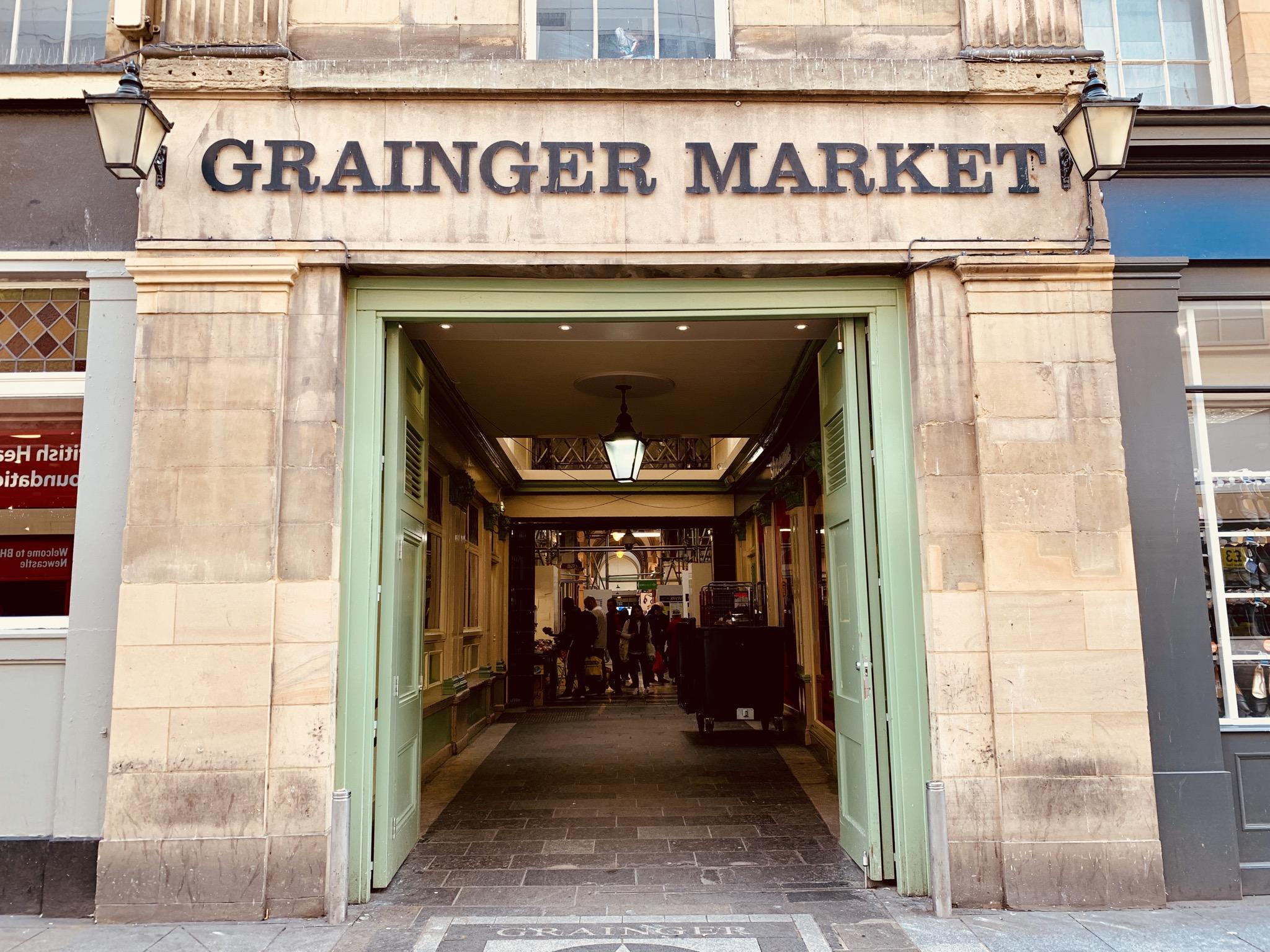
Fresh questions are being raised about the future of Newcastle’s historic Grainger Market after newly renovated units inside the city centre landmark remain unoccupied months after redevelopment work was completed at a reported cost of £9 million pounds.
The Grade I listed market, one of Newcastle’s most recognisable retail destinations, has undergone significant refurbishment as part of wider city centre regeneration efforts. The investment was designed to modernise sections of the market, improve visitor experience and attract a new wave of independent traders, food vendors and specialist retailers.
However, despite the upgrades and public investment, many of the newly refurbished spaces are still sitting empty, leading to speculation among local traders, residents and business owners about why companies have yet to commit to the units.
While Newcastle City Council remains optimistic about the long-term future of the market, the lack of immediate uptake has sparked debate about the current state of retail, rising operating costs and whether city centre businesses are still willing to take risks in an uncertain economy.
Grainger Market Renovation Intended To Boost Newcastle City Centre.
The Grainger Market has been a central part of Newcastle’s shopping culture since opening in 1835. Known for its mix of independent traders, food stalls, butchers, cafes and specialty shops, the indoor market has long been viewed as an important part of the city’s identity.
Recent renovation work aimed to preserve that heritage while making the market more appealing to modern businesses and younger consumers. Improvements included upgraded interiors, refreshed units, improved lighting and infrastructure changes designed to support hospitality and retail operators.
City officials previously described the investment as an important step in strengthening Newcastle city centre and encouraging footfall back into traditional shopping areas.
Yet despite the improvements, businesses have so far appeared hesitant to move into some of the new units.
Rising Costs May Be Deterring Independent Businesses.
One possible reason for the slow uptake could be the wider financial pressure facing small businesses across the UK.
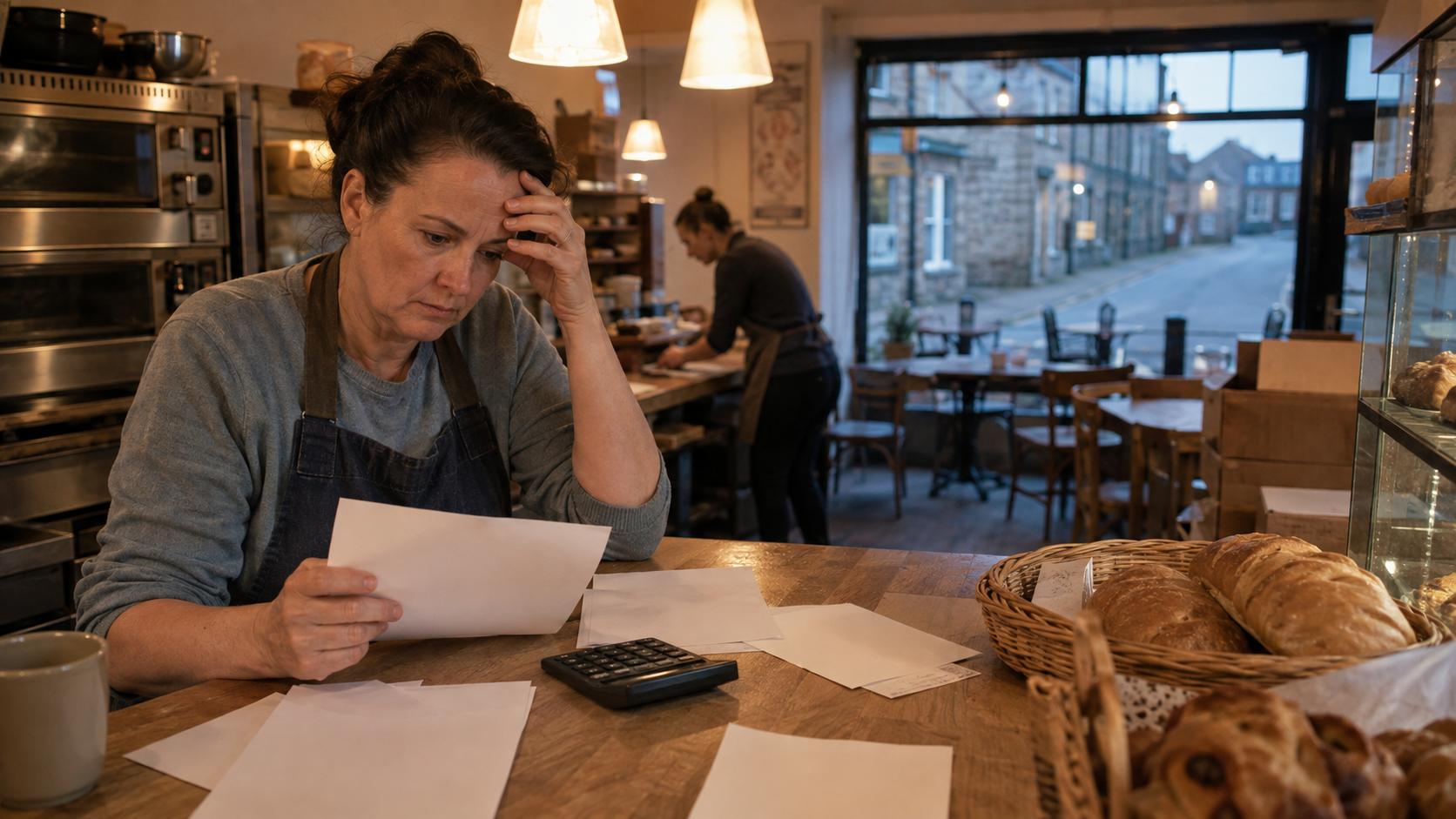
Independent traders have spent the past several years dealing with rising energy bills, higher supplier costs, inflation and staffing challenges. For many smaller businesses, opening a second location or launching a new retail venture now carries significantly more financial risk than it did before the pandemic.
Business owners are also becoming more cautious about long-term rental commitments, especially in city centres where consumer spending remains unpredictable.
Although the refurbished Grainger Market units offer modernised spaces in a prime Newcastle location, some traders may still view expansion as too risky in the current climate.
Retail consultant Michael Harrington said many independent businesses are currently prioritising survival over growth.
“There’s still demand for physical retail space in Newcastle, especially in well-known locations like Grainger Market, but businesses are far more careful with money right now,” he explained. “Even if the units look fantastic, operators are analysing every possible cost before committing.”
Newcastle Retail Habits Have Changed Since The Pandemic.
Changing shopping habits may also be contributing to the lack of occupancy.
Like many UK city centres, Newcastle has seen shifts in footfall patterns since the pandemic, with more consumers shopping online or reducing discretionary spending altogether. While weekends can still bring strong crowds into the city, weekday footfall in some retail areas remains inconsistent.
For businesses considering opening inside Grainger Market, uncertainty around customer numbers could be enough to delay decision-making.
Some traders also believe the type of businesses being targeted may not fully match what shoppers currently want from indoor markets.
Traditional market spaces across the UK have increasingly shifted toward food halls, independent dining experiences and entertainment-led concepts to attract younger visitors. If potential tenants feel the current mix inside Grainger Market does not yet offer enough of that destination appeal, they may choose to wait before investing.
Competition In Newcastle City Centre Remains Intense.
Another factor could be growing competition across Newcastle city centre itself.
Over the past decade, Newcastle has seen major investment in retail and leisure developments, including bars, restaurants and modern mixed-use spaces designed to attract both consumers and businesses.
Areas such as Grey Street, the Quayside and parts of Eldon Square continue to attract high levels of attention from hospitality operators and retailers. Newer developments often come with flexible leasing agreements, outdoor seating opportunities and stronger late-night economies.
For some businesses, those locations may currently appear more commercially attractive than a traditional indoor market setting.
There are also concerns that some independent operators may simply be unaware that units are available, with calls growing for stronger marketing around the renovated spaces.
Long-Term Optimism Still Surrounds Grainger Market.
Despite concerns over the empty units, many local traders remain confident that the market can still thrive in the years ahead.
Grainger Market continues to attract loyal customers and remains one of Newcastle’s best-known indoor shopping destinations. Supporters argue that once the right mix of businesses arrives, the refurbished areas could become a major draw for both residents and tourists.
Several traders believe patience will be key, especially during a difficult economic period for retail and hospitality businesses.
Others have suggested that more flexible rental packages, short-term leases or startup incentives could help encourage smaller independent brands to test the market without taking on major financial risks.
Newcastle City Council has continued to promote the wider regeneration of the city centre, with Grainger Market expected to remain an important part of those long-term plans.
For now, however, the empty renovated units have become a visible reminder of the challenges facing high streets and independent retail businesses across the UK.
Do you think Newcastle’s Grainger Market can attract new independent businesses in the current economy? Share your thoughts in the comments and join the conversation about the future of Newcastle city centre.
Would you open a business inside the renovated Grainger Market? Let us know what changes you think could help bring more traders and visitors into the historic market.
Business News
Why Businesses Are Avoiding Newcastle’s Newly Renovated Grainger Market Units
Advertisement


Comments (0)
You must be logged in to post comments.
Don't have an account? Register here
No comments yet. Be the first to share your thoughts!