
For generations of shoppers across Newcastle and the North East, a trip into town was about far more than buying groceries or clothes. It meant browsing the aisles at Woolworths, meeting friends outside Debenhams in Eldon Square, picking up bargains from Kwik Save or collecting a catalogue from Littlewoods. These stores helped define Britain's high streets and became part of everyday family life before disappearing one by one.
While retail is constantly changing, many of these familiar names are still remembered with genuine affection. Newcastle's city centre has transformed dramatically over the past two decades, yet conversations about the shops people miss most continue to dominate local social media groups and community forums. Research has even ranked Debenhams and Woolworths among Newcastle's most missed former retailers.
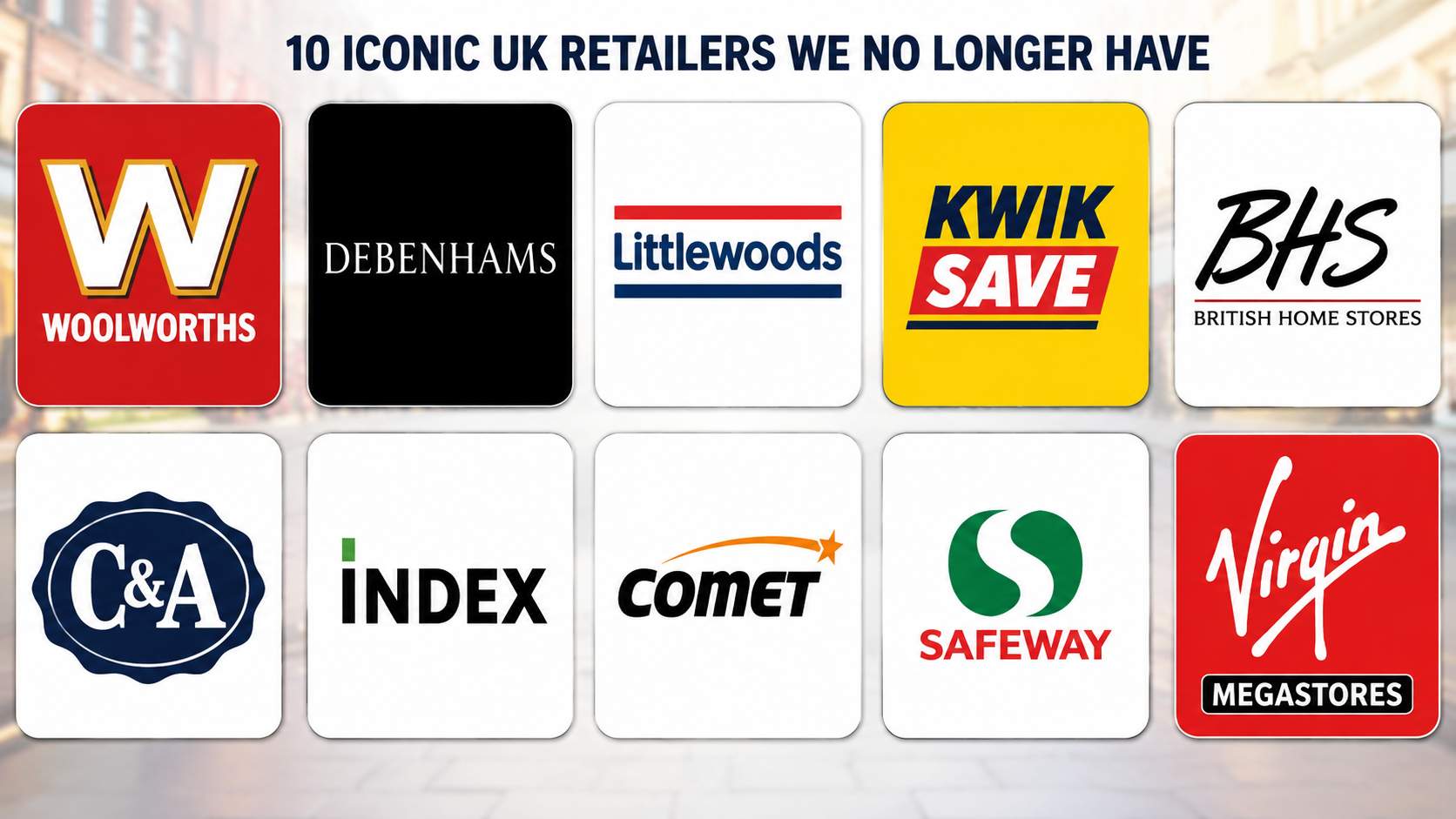
Here are 10 famous retailers that disappeared from UK high streets, along with why they mattered so much to shoppers across Newcastle and the wider North East.
1. Woolworths.
Few retailers have left a bigger hole in Britain's high street than Woolworths. The famous chain, affectionately known as Woolies, closed its final stores in January 2009 after almost a century in business.
Newcastle had two well-known Woolworths branches, including its landmark store on Northumberland Street, which many locals still remember for Pick 'n' Mix sweets, affordable toys, music and household essentials. For countless North East families, Christmas shopping simply was not complete without a visit.
Approximate statistics readers may find interesting:
More than 800 UK stores closed.
Around 27,000 jobs were lost.
Woolworths traded for almost 100 years before disappearing.
2. Debenhams.
For decades, Debenhams acted as one of Newcastle city centre's biggest meeting points. "Meet outside Debenhams" became a phrase recognised across generations.
Its Eldon Square department store attracted shoppers looking for fashion, cosmetics, homeware and gifts before closing permanently in 2021 following the retailer's collapse. The online brand survives today under different ownership, but the department stores have gone.
Interesting facts include:
Around 165 UK stores disappeared during the closure process.
Approximately 25,000 jobs were affected nationally.
Newcastle residents recently voted Debenhams as the city's most missed former retailer.
3. Littlewoods.
Before online shopping existed, Littlewoods was Britain's catalogue king. Families across the North East would browse thick catalogues, circle Christmas presents and collect purchases from local stores.
Its Newcastle branches became regular destinations for clothing, electrical goods and home products. The catalogue business changed how many families shopped long before internet retailers arrived.
Interesting figures include:
Littlewoods began trading in 1923.
At its peak, millions of UK households regularly used its catalogue service.
The business eventually became part of Shop Direct before the famous high street name disappeared.
4. Kwik Save.
Long before Aldi and Lidl became supermarket giants, Kwik Save was Britain's original discount grocery chain.
Its no-frills stores appeared across towns throughout the North East, helping families stretch weekly budgets with low prices and simple shopping experiences.
Sadly, financial problems brought the chain to an end in 2007.
Approximate figures include:
Market share dropped from around 1.2 percent to just 0.2 percent within a year before collapse.
Nearly 80 stores initially closed, followed by dozens more.
Hundreds of jobs were lost as administration unfolded.
5. BHS.
British Home Stores offered almost everything under one roof, from school uniforms and lighting to furniture and family restaurants.
Many Newcastle shoppers remember visiting BHS during weekend trips into the city centre. Its cafés were particularly popular, with affordable meals becoming part of the shopping tradition.
Interesting statistics include:
BHS operated for almost 90 years.
Around 160 stores closed following its collapse.
Approximately 11,000 employees were affected nationally.
6. C&A.
Long before Primark dominated value fashion, C&A introduced affordable clothing to generations of British families.
The retailer withdrew from the UK in 2001 despite remaining successful across mainland Europe.
Many North East shoppers still remember buying children's clothes, school uniforms and seasonal fashion there.
Interesting facts include:
More than 100 UK stores closed.
The company continues operating successfully in many European countries.
The UK remains one of the few major markets where C&A no longer has physical stores.
7. Index.
Before Amazon, Index catalogues offered a quick way to reserve toys, electronics and home products.
Families often compared the Index catalogue with Argos before deciding where to shop. Newcastle shoppers regularly visited branches during Christmas, when popular toys often sold out quickly.
Interesting facts include:
Index was operated by Littlewoods.
The chain disappeared completely in 2005.
Thousands of catalogue products were available before widespread online shopping became common.
8. Comet.
For many North East households, buying a television, washing machine or computer usually meant visiting Comet.
The electronics retailer became a familiar sight on retail parks before entering administration in 2012.
Approximate figures include:
Around 240 UK stores closed.
More than 6,000 jobs were affected.
The company had traded for almost 80 years before disappearing.
9. Safeway.
Before Morrisons expanded nationally, Safeway operated supermarkets across Britain, including several in the North East.
The chain disappeared after Morrisons acquired the business in 2004, with many stores simply changing their signs overnight.
Interesting figures include:
Nearly 480 Safeway supermarkets became part of Morrisons.
The acquisition created one of Britain's biggest supermarket groups.
Many shoppers still refer to former stores as "the old Safeway" years later.
10. Virgin Megastores.
Before music streaming and digital downloads transformed entertainment, Virgin Megastores attracted huge crowds looking for CDs, DVDs and computer games.
Weekend visits often involved browsing new album releases for hours before making a purchase.
Interesting facts include:
Virgin Megastores disappeared from UK high streets during the late 2000s.
The chain became Zavvi before financial problems ended the business.
Physical music retail has shrunk dramatically as streaming services became dominant.
Why these retailers still matter today.
The disappearance of these retailers tells the story of how Britain's shopping habits have changed. Online retail, rising business costs, supermarket competition and changing consumer behaviour transformed town centres across the country.
The North East has experienced these changes particularly clearly. Newcastle's Northumberland Street and Eldon Square continue evolving, but many people still remember when these famous names anchored the city's shopping experience.
Retail experts estimate that tens of thousands of stores have disappeared from British high streets over the past two decades as consumer habits shifted online and retail economics changed. Even today, nostalgia for familiar brands remains remarkably strong, with Woolworths and Debenhams consistently appearing among Britain's most missed retailers.
Whether it was collecting Pick 'n' Mix, ordering from a catalogue or stopping for lunch during a shopping trip, these stores became woven into everyday life. Their disappearance marked the end of an era that many Newcastle and North East residents still remember fondly.
Share your thoughts.
Which of these lost retailers do you miss the most?
Local News
10 Lost Retail Stores Newcastle Shoppers Still Miss
Advertisement


Comments (0)
You must be logged in to post comments.
Don't have an account? Register here
No comments yet. Be the first to share your thoughts!