
More than £3.46 million has been collected from Newcastle pubs, clubs and other licensed premises through the city's Late Night Levy since it was introduced in 2013. The money was intended to help manage the pressures created by Newcastle's busy night-time economy, but how was it actually divided and what did residents, visitors and businesses receive in return?
Figures published by Newcastle City Council show that £2.26 million was allocated to the Northumbria Police and Crime Commissioner, while £968,432 went to the council. The remaining amount, approximately £231,568, was used to cover permitted administration and collection costs.
Based on those totals, around 65.3 per cent of all gross levy income was allocated to the Police and Crime Commissioner, approximately 28 per cent went to the council and about 6.7 per cent covered administration. Those percentages are calculated from the published lifetime figures and should be treated as approximate.
Police patrols received the largest share.
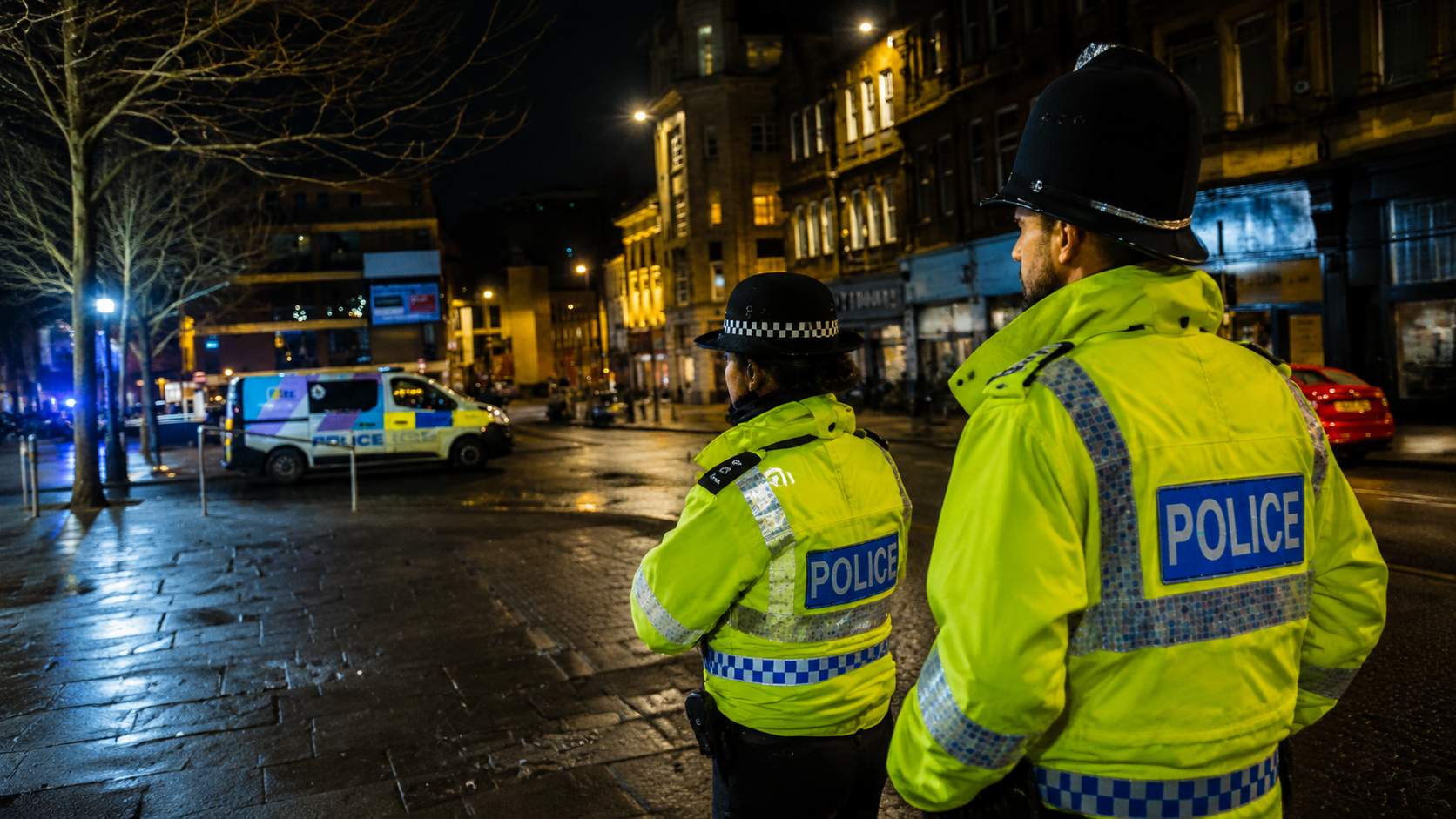
The biggest portion of Newcastle Late Night Levy income supported policing and public safety activity. This included additional police patrols in areas with a high concentration of pubs, clubs and late-night venues.
Officers working in Newcastle city centre deal with a wide range of issues, from alcohol-related disorder and violence to theft, vulnerability and concerns about the safety of women and girls. Levy-funded patrols were designed to provide an extra visible presence during the busiest and most demanding periods.
The Police and Crime Commissioner has also supported targeted work such as Operation Salus, which focuses on preventing violence and protecting vulnerable people in the night-time economy. In 2024, the commissioner's office reported that the operation had carried out 350 interventions involving men whose behaviour caused concern, including 173 vehicle interventions.
These figures do not mean every Operation Salus intervention was paid for directly by the levy. They do, however, show the scale of the wider safety operation that levy-supported policing complemented.
Council funding supported visible safety services.
The council's £968,432 share was spent across several services rather than handed to one project. According to official council information, levy income helped fund CCTV, street cleansing, street marshals, taxi marshals, the Safe Haven service and training for people working in licensed venues.
Street marshals provide a recognisable point of contact for people who feel unsafe, become separated from friends or need practical assistance. Taxi marshals help manage queues and reduce conflict at busy ranks, particularly when large numbers of people leave venues at the same time.
Street cleansing is another less visible part of the spending picture. Newcastle's nightlife brings significant footfall into areas such as the Bigg Market, Collingwood Street, the Quayside and around Central Station. Cleaning teams are required to deal with additional litter and waste before businesses, workers and visitors return the following morning.
However, the council's published lifetime total does not provide a complete breakdown showing exactly how much of the £968,432 was spent on each service. This means it is possible to identify what the money supported, but not to calculate the precise lifetime cost of every marshal, CCTV upgrade or cleaning operation.
Safe Haven offered help on difficult nights.
One of the best-known services supported by the Newcastle levy is the Safe Haven van on the Bigg Market. It provides a place where people can receive medical help, charge a phone, sober up, contact friends or wait safely after becoming vulnerable.
The service brings together police, Newcastle City Council street marshals, Newcastle Street Pastors and the North East Ambulance Service. Its location places support close to some of the busiest nightlife streets in the North East.
In December 2024, the Police and Crime Commissioner announced a separate £30,000 investment to upgrade the Safe Haven van. The commissioner did not say that the entire upgrade came from levy income, but confirmed that the wider service also received Late Night Levy funding.
The same announcement estimated that more than 100,000 people enter Newcastle's night-time economy during a typical weekend, with numbers rising further before Christmas. At that level of footfall, the £3.46 million collected since 2013 works out at roughly £266,000 for each completed levy year. That is an approximate average because annual receipts changed over time.
Annual figures reveal the cost of administration.
Newcastle's published statement for the 2023-24 levy year provides a useful snapshot. Licensed businesses paid a combined £267,407.60, while the council deducted £25,000 in permitted expenses. This left net revenue of £242,407.60 for policing and local night-time economy services.
Administration therefore accounted for approximately 9.3 per cent of the money collected that year. The figure covered functions such as issuing bills, collecting payments, managing records and enforcing unpaid charges.
The amount paid by individual businesses varies. Newcastle venues licensed to sell alcohol between midnight and 6am face annual charges from £299 to approximately £4,400, depending on their rateable value and business type. That range has fuelled arguments over whether the system places a fair burden on hospitality operators.
Other funding has worked alongside the levy.
Not every safety improvement in Newcastle was funded exclusively by the Late Night Levy. In 2021, nearly £300,000 was announced for city centre measures including marshals, CCTV upgrades, improved lighting, drinks covers and expanded training. More than £100,000 came from the Home Office's Safety of Women at Night fund, with additional support coming from the levy and partner organisations.
Training has also become a significant part of Newcastle's safety strategy. By December 2024, almost 600 hospitality workers across bars, hotels and security teams had reportedly received training to help them identify risks and respond to sexual harassment and vulnerable customers.
These combined funding arrangements make it difficult to attach every result to the levy alone. They also demonstrate how levy money was used as one part of a larger partnership involving the council, police, emergency services, charities and hospitality businesses.
The spending debate is not over.
The levy has paid for services that many people now associate with a night out in Newcastle, from uniformed patrols to the Safe Haven van. Yet the absence of a detailed lifetime, project-by-project account leaves unanswered questions about value for money and which initiatives produced the strongest results.
With council leaders considering a replacement funding arrangement involving Newcastle City Council and business improvement district company NE1, the central issue is no longer simply whether the levy should remain. It is whether Newcastle can protect these services, improve transparency and share the cost more fairly without weakening city centre safety.
Have your say below.
Do you think that Newcastle’s £3.46m levy money well spent?
Local News
Who Received Newcastle's £3.46m Night Levy?
Advertisement


Comments (0)
You must be logged in to post comments.
Don't have an account? Register here
No comments yet. Be the first to share your thoughts!