
The UK is home to thousands of fascinating native species, yet many are now facing an uncertain future. Habitat loss, climate change, pollution, invasive species and changing land use have all contributed to significant declines across the country. While conservation projects are making a difference, experts warn that many animals remain at serious risk unless further action is taken.
The issue is particularly relevant in Newcastle and across the North East, where rivers, coastlines, woodlands and moorland provide important habitats for many native species. From the River Tyne to Northumberland National Park and the Farne Islands, the region plays a valuable role in protecting Britain's wildlife.
According to the latest State of Nature Report, UK wildlife has declined by an average of 19 percent since 1970, while nearly one in six species assessed is now threatened with extinction.
1. Water vole.
Often mistaken for a brown rat, the water vole is one of Britain's fastest declining mammals.
Once common along rivers and streams throughout the North East, water voles have suffered dramatic losses because of habitat destruction and predation by invasive American mink. Conservation organisations estimate populations have fallen by around 90 percent since the 1970s, although targeted recovery projects are beginning to produce encouraging results.
2. Scottish wildcat.
Often called the "Highland tiger", the Scottish wildcat is considered Britain's rarest native cat.
Only a tiny number of genetically pure wildcats are thought to survive in the wild, with hybridisation and habitat loss posing major threats. Breeding and reintroduction programmes are now offering fresh hope for the species.
3. Hazel dormouse.
The hazel dormouse has disappeared from many parts of England as ancient woodlands and hedgerows have been lost.
State of Nature data shows Britain's dormouse population has fallen by around 51 percent since 2000, prompting conservationists to expand reintroduction projects and reconnect fragmented woodland habitats.
4. Turtle dove.
Once a familiar summer visitor across Britain, the turtle dove has experienced one of the steepest bird declines in Europe.
Changes in farming practices, food shortages and habitat loss have caused breeding numbers to collapse. Conservation projects are now restoring feeding habitats and improving nesting areas to support recovery.
5. European eel.
The mysterious European eel travels thousands of miles between British rivers and the Sargasso Sea.
Barriers on rivers, pollution and changing ocean conditions have contributed to dramatic declines across Europe. Fish passes and river restoration projects are helping improve migration routes in many catchments, including parts of northern England.
6. Natterjack toad.
Unlike the common toad, the natterjack depends on shallow coastal pools and sandy heathland.
Small populations survive in a handful of protected areas, with conservation management helping stabilise numbers. The State of Nature Report highlights the species as an example of successful habitat management where sustained investment has been maintained.
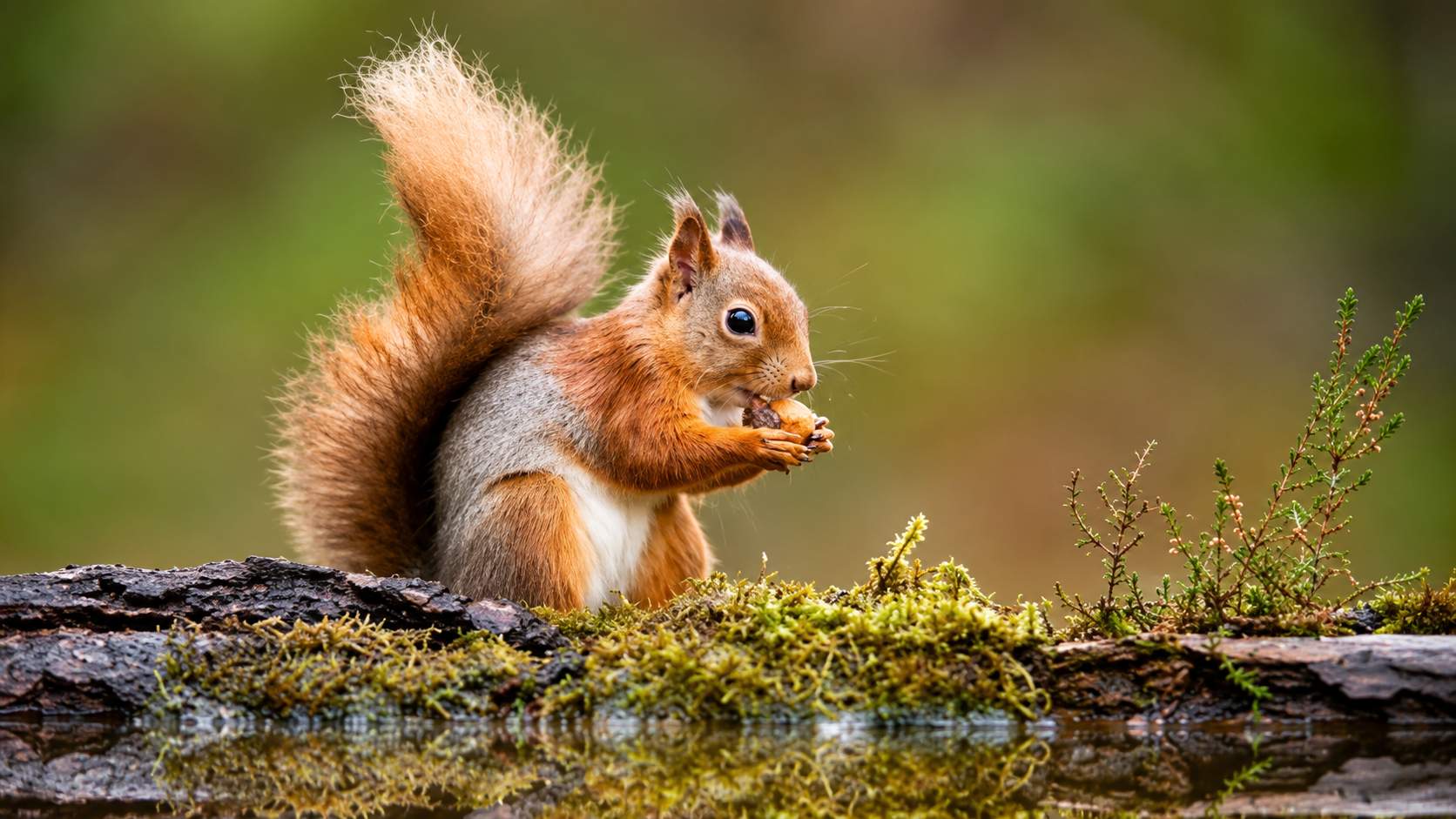
7. Red squirrel.
Although still found in Northumberland and Kielder Forest, Britain's native red squirrel remains under pressure.
Competition from introduced grey squirrels and the spread of squirrel pox virus continue to threaten populations. The North East remains one of the country's strongest refuges for red squirrels, making local conservation work particularly important.
8. Greater mouse-eared bat.
Once believed extinct in Britain, the greater mouse-eared bat remains one of the UK's rarest mammals.
Conservationists continue monitoring potential populations while protecting suitable roosting habitats for Britain's bat species.
9. Freshwater pearl mussel.
This remarkable mollusc can live for more than 100 years, yet it is disappearing from many British rivers.
Pollution, sedimentation and declining water quality have dramatically reduced populations. Healthy rivers across northern England remain essential for any long-term recovery.
10. Pine hoverfly.
Few people have heard of the pine hoverfly, yet it is among Britain's rarest insects.
The species survives only because of carefully managed conservation breeding programmes and habitat restoration. Recent work in Scotland has increased numbers, demonstrating how targeted action can prevent extinction.
Why the North East plays an important role.
Newcastle and the wider North East continue to make a valuable contribution to wildlife conservation.
Northumberland National Park, Kielder Forest, the North Pennines National Landscape and the internationally recognised Farne Islands all provide important habitats for endangered birds, mammals and marine wildlife.
The region is also home to organisations, universities and volunteer groups working to restore peatlands, improve rivers, expand woodland and monitor native species. Newcastle University contributes internationally recognised research into biodiversity, ecology and environmental management, while local wildlife trusts continue practical conservation across the region.
The statistics highlight why action is needed.
The latest figures underline the scale of the challenge facing British wildlife.
Across the UK, species have declined by an average of 19 percent since 1970, while 16 percent of assessed species are threatened with extinction. In England alone, wildlife abundance has fallen by 32 percent since 1970, with 13 percent of assessed species considered threatened. Pollinating insects have declined by an average of 18 percent, while seabird populations have fallen by around 24 percent since 1986.
Despite these worrying trends, conservation projects continue to deliver measurable improvements where habitats are restored and long-term protection is maintained.
Protecting Britain's wildlife starts close to home.
Saving endangered species is not solely the responsibility of governments or conservation charities. Individuals can also make a meaningful contribution by supporting local wildlife trusts, creating wildlife-friendly gardens, reducing pollution and volunteering on conservation projects.
Across Newcastle and the North East, residents are already helping protect rivers, coastlines and woodlands that support many of Britain's most vulnerable native animals. Every successful conservation project demonstrates that recovery is possible when communities, scientists and policymakers work together.
Protecting these remarkable species will ensure future generations can continue enjoying the rich natural heritage that makes Britain, and the North East in particular, such a special place for wildlife.
Share your thoughts.
Which endangered British animal would you most like to see recover?
Local News
10 Of Britain's Most Endangered Native Animals
Advertisement




Comments (0)
You must be logged in to post comments.
Don't have an account? Register here
No comments yet. Be the first to share your thoughts!