
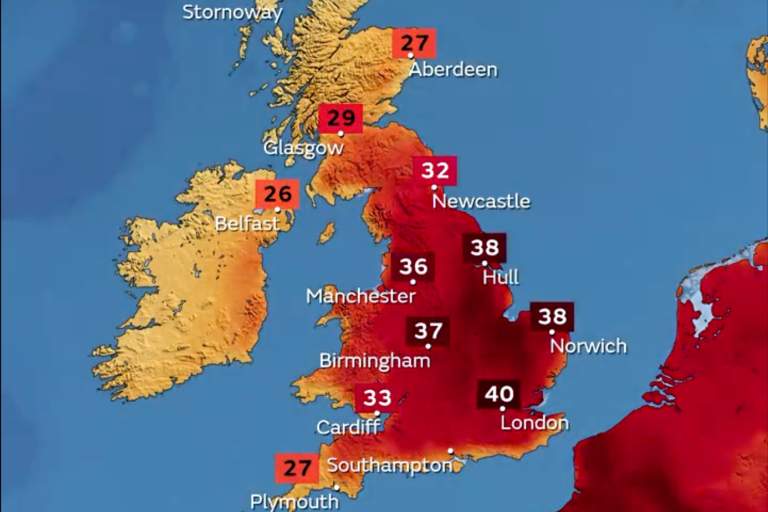
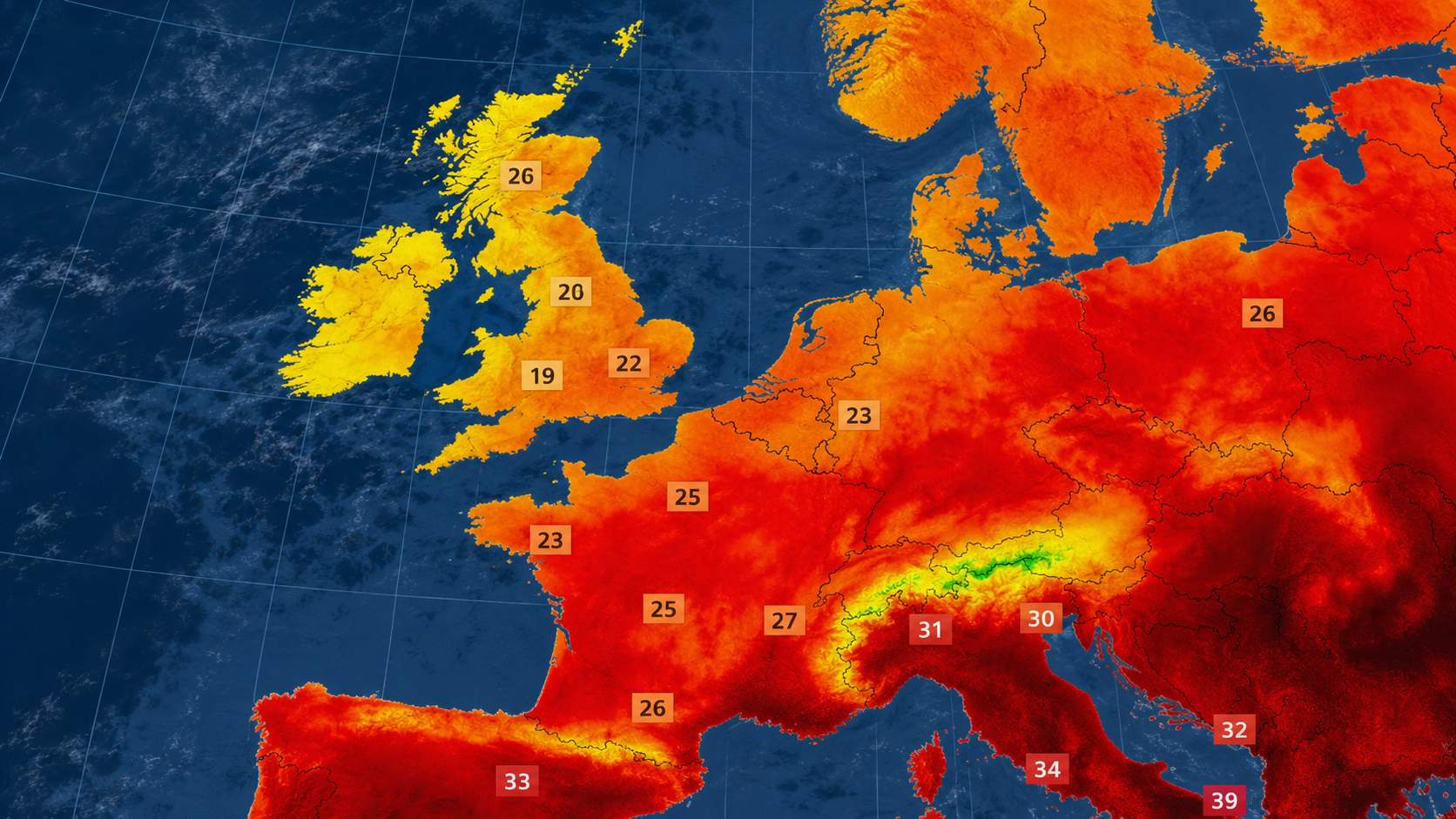
As Britain braces for what could become one of the hottest spells of the year, transport operators are urging people to think twice before travelling as temperatures threaten to reach 40C in parts of England.
Rail companies, bus operators and Transport for London have issued warnings ahead of the extreme weather, with concerns that public transport networks could face disruption while passengers risk being exposed to dangerous conditions.
For people in Newcastle and the wider North East, the temperatures may not reach the same levels forecast for London and southern England, but experts warn that conditions inside Metro trains, buses, rail carriages and crowded stations can feel significantly hotter than the temperature displayed on weather forecasts.
LNER has advised customers to check before travelling, while transport authorities across the country are encouraging passengers to carry water, avoid unnecessary journeys and prepare for possible delays.
Why Public Transport Can Feel Hotter Than 40C.
Many people assume the temperature shown on weather apps reflects what they will experience during their journey.
In reality, temperatures are recorded in shaded, ventilated locations. Inside a crowded train carriage, packed bus or busy Metro service, conditions can become far more uncomfortable.
Body heat from passengers, limited airflow, direct sunlight and heat absorbed by metal surfaces can combine to create conditions that feel considerably hotter than the official air temperature.
The problem is particularly noticeable on London's Underground network, where some deep-level Tube lines have previously recorded temperatures exceeding 30C even when outside temperatures were significantly lower.
Passengers travelling during the latest heatwave are being warned that prolonged delays or overcrowding could increase the risk of dehydration and heat-related illness.
LNER Issues Travel Advice Ahead Of Extreme Heat.
LNER, which operates services linking Newcastle with London, York, Durham and Edinburgh, has warned passengers that heat-related disruption is possible during the hottest periods of the week.
Extreme temperatures can cause rail tracks to expand and overhead power lines to sag, creating safety concerns for train operators. To reduce risks, speed restrictions are sometimes introduced, which can lead to delays and cancellations.
Passengers travelling between Newcastle and London are being encouraged to check service updates before setting off and allow additional time for their journeys.
The operator has also reminded customers to carry water and ensure mobile devices remain charged in case travel plans need to change unexpectedly.
Metro Passengers In Newcastle Told To Prepare For Hot Conditions.
While much of the attention has focused on London and the South East, Tyne and Wear Metro passengers are also being urged to take precautions.
The Metro network serves Newcastle, Gateshead, Sunderland, South Tyneside and North Tyneside and carries around 36 million passenger journeys every year.
Although Metro trains are not exposed to the same underground conditions as parts of the London Tube network, busy stations and crowded carriages can still become uncomfortable during periods of prolonged hot weather.
Passengers using major stations such as Monument, Haymarket, Central Station and Sunderland Interchange are being encouraged to stay hydrated and avoid spending longer than necessary on exposed platforms during the hottest part of the day.
Travellers are also being advised to look out for signs of heat exhaustion, including dizziness, headaches, nausea and excessive sweating.
Bus Companies Warn Passengers To Travel Carefully.
Bus operators across England have also issued advice as temperatures continue to rise.
Unlike many modern rail services, some buses can experience significant heat build-up during periods of prolonged sunshine, particularly when services are busy and windows remain closed.
Passengers are being encouraged to carry bottled water, wear lightweight clothing and avoid travelling during peak afternoon temperatures where possible.
People waiting at bus stops should also take precautions, especially at locations with limited shade.
Health experts say spending extended periods standing in direct sunlight can quickly increase the risk of dehydration.
Heatwave Statistics That Show The Scale Of The Risk.
Britain's highest recorded temperature remains 40.3C, set during the record-breaking July 2022 heatwave.
That event caused widespread disruption across the transport network, with train services delayed, speed restrictions introduced and some routes temporarily suspended because of safety concerns.
Weather forecasters have warned that temperatures during the current heatwave could again approach 40C in parts of England.
Research has shown that heat-related illness becomes more common as temperatures climb above 30C, particularly when overnight temperatures remain high and prevent the body from cooling down properly.
Health officials have repeatedly warned that extreme heat should not be underestimated, particularly by older people, young children and those with existing health conditions.
How To Stay Safe While Travelling During The Heatwave.
Anyone planning to use public transport this week should take extra precautions before leaving home.
Carrying plenty of water remains one of the most important pieces of advice. Even relatively short journeys can become uncomfortable if delays occur or services become crowded.
Passengers should wear loose-fitting clothing, avoid excessive physical exertion and take regular breaks in shaded or air-conditioned areas whenever possible.
People travelling on Metro services, buses or long-distance trains should try to avoid the busiest services if their schedule allows.
Keeping a fully charged mobile phone can also prove invaluable if travel plans need to be adjusted because of delays or cancellations.
Anyone who begins feeling dizzy, weak or unwell should seek help immediately and move to a cooler environment where possible.
Travel Networks Face Growing Heatwave Challenge.
The latest warnings highlight the growing pressure that extreme weather is placing on Britain's transport infrastructure.
Railways, roads and public transport systems were largely designed for a cooler climate, yet increasingly frequent heatwaves are creating new challenges for operators and passengers alike.
For people across Newcastle and the North East, the message is simple. Even if temperatures remain lower than those forecast in London, conditions on trains, buses and Metro services can still become uncomfortable and potentially dangerous during prolonged periods of heat.
Checking travel updates, carrying water and planning ahead could make all the difference as the UK faces another spell of extreme summer weather.
Have your say.
Are you planning on avoiding travel during the red heat warning?
Local News
40C Heatwave Warning For Metro And Train Passengers Across Britain
Advertisement



Comments (0)
You must be logged in to post comments.
Don't have an account? Register here
No comments yet. Be the first to share your thoughts!