
If you're planning a weekend escape without travelling too far from Newcastle, the North East offers some of the UK's most spectacular wildlife reserves. From dramatic coastal bird colonies and peaceful wetlands to ancient forests and nature-rich meadows, the region is packed with destinations where visitors can enjoy unforgettable encounters with native wildlife.
Whether you're hoping to photograph puffins, spot red squirrels or simply enjoy a relaxing walk surrounded by nature, there are plenty of places that deserve a spot on your weekend itinerary. Wildlife tourism also continues to grow across Northumberland, with the county welcoming almost 10.5 million visitors in 2024, generating a record £1.443 billion for the local economy.
RSPB Saltholme is a birdwatcher's paradise.
Located near Middlesbrough and within easy reach of Newcastle, RSPB Saltholme has become one of the region's best-known wetland reserves.
The reserve features accessible walking trails, several wildlife hides, a visitor centre and family-friendly activities throughout the year. Visitors regularly spot avocets, common terns, marsh harriers, dragonflies and a wide variety of migratory birds.
Saltholme is particularly appealing for beginners thanks to its excellent facilities and year-round wildlife viewing opportunities.
Hauxley Wildlife Discovery Centre offers coastal magic.
Situated near Druridge Bay in Northumberland, Hauxley Nature Reserve combines freshwater pools, woodland and coastal habitats in one location.
The reserve attracts thousands of migrating birds every year, while visitors may also encounter otters, butterflies and dragonflies depending on the season. Modern viewing hides and an excellent visitor centre make it suitable for families, photographers and experienced birdwatchers alike.
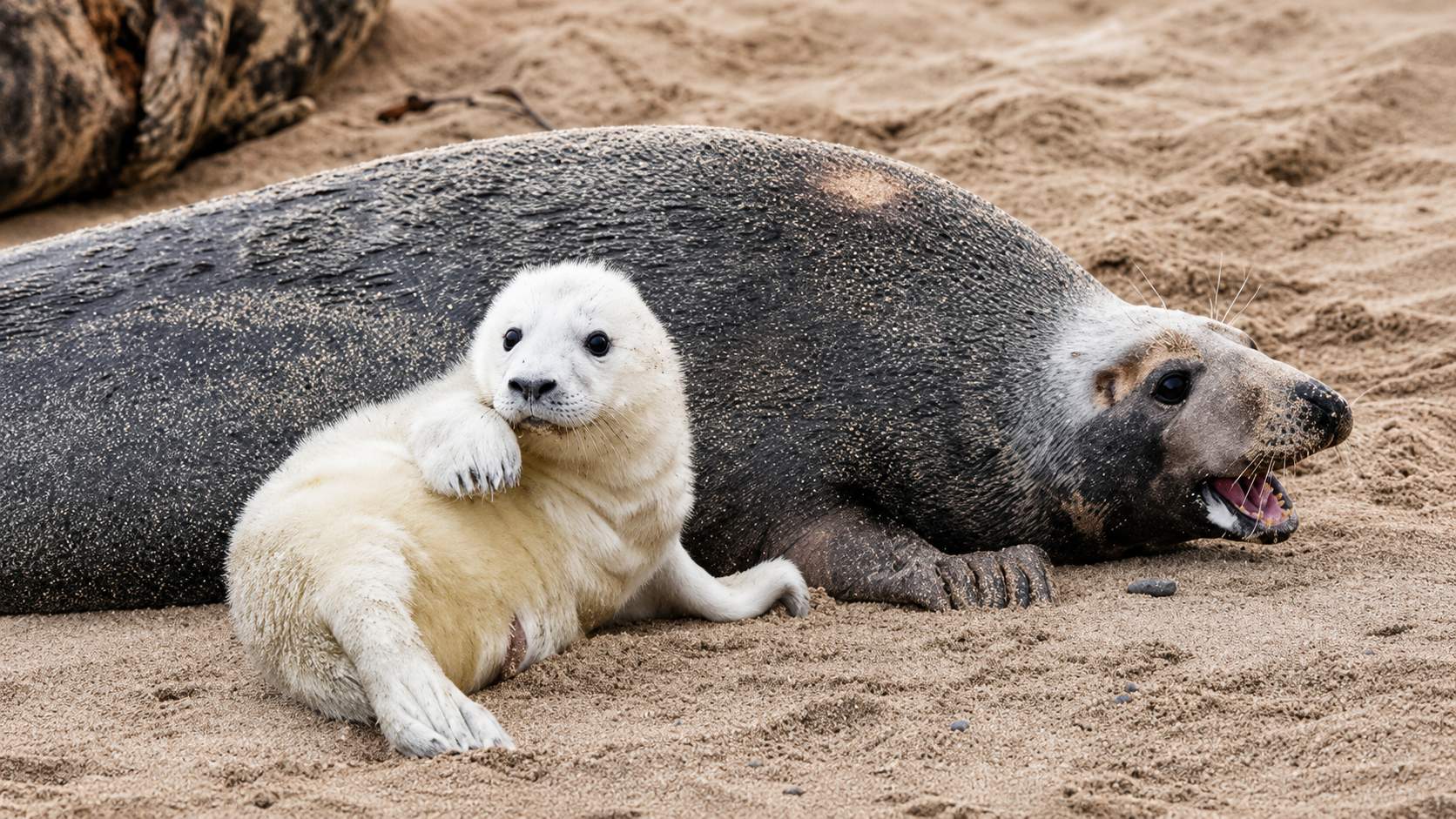
The nearby coastline also offers opportunities to spot grey seals and seabirds throughout much of the year.
The Farne Islands remain one of Britain's greatest wildlife spectacles.
No wildlife guide to the North East would be complete without mentioning the Farne Islands.
Managed by the National Trust, the islands become one of Europe's most important seabird breeding colonies during spring and summer. Tens of thousands of puffins, Arctic terns, guillemots, razorbills and kittiwakes nest on the islands, while one of England's largest grey seal colonies also calls the Farnes home.
Boat trips from Seahouses allow visitors to experience the islands up close, making them one of Northumberland's biggest visitor attractions.
Washington Wetland Centre is perfect for families.
Just a short drive from Newcastle city centre, Washington Wetland Centre provides an ideal introduction to wildlife for visitors of all ages.
Managed by the Wildfowl & Wetlands Trust, the reserve features lakes, reedbeds, woodland and interactive exhibits alongside regular wildlife events.
Otters, flamingos, kingfishers, ducks, geese and countless wetland birds can all be seen throughout the year, while younger visitors can enjoy adventure play areas and seasonal activities.
Its accessibility makes it one of the easiest wildlife destinations to visit from Newcastle.
Northumberland Wildlife Trust reserves are hidden gems.
While many people know about the larger attractions, Northumberland Wildlife Trust manages 69 nature reserves, covering more than 6,193 hectares of land and 140 kilometres of watercourses across the region. During the past year alone, the Trust introduced around 205,000 visitors to nature through its reserves and visitor centres.
Popular sites include East Chevington, West Chevington, Weetslade Country Park and Whitelee Moor, each offering something different depending on the season.
These quieter reserves often provide excellent opportunities to enjoy wildlife away from larger crowds.
Kielder Forest is home to iconic British wildlife.
Kielder Forest is famous for its vast landscapes, dark skies and impressive wildlife.
Visitors may be lucky enough to encounter red squirrels, roe deer, ospreys and a wide range of woodland birds. Kielder Water also attracts breeding ospreys during the warmer months, with dedicated viewing points helping visitors catch a glimpse of these magnificent birds.
The surrounding forest provides miles of walking and cycling routes, making it an excellent full-day destination.
Why wildlife reserves matter.
Nature reserves do far more than provide enjoyable days out.
Across the UK, the RSPB manages more than 220 nature reserves covering approximately 160,000 hectares, protecting habitats for over 18,500 species. These protected areas continue to play a crucial role in helping threatened wildlife recover despite increasing pressures from climate change and habitat loss.
Many reserves also contribute to scientific research, education programmes and local tourism, supporting both biodiversity and rural economies.
Planning your wildlife weekend.
Before visiting, check reserve websites for seasonal opening times, guided walks and wildlife sightings.
Early mornings and late afternoons often provide the best opportunities to see mammals and birds, while bringing binoculars, waterproof clothing and a camera will help you make the most of your visit.
Visitors should also remember to keep dogs under control where required, remain on designated footpaths and avoid disturbing nesting birds or other wildlife.
The North East remains one of Britain's best regions for wildlife.
Few parts of the UK offer such a diverse mix of coast, woodland, wetlands and upland habitats within such a short distance.
Whether you choose the puffin colonies of the Farne Islands, the peaceful wetlands of Saltholme, the woodland trails of Kielder or one of Northumberland Wildlife Trust's quieter reserves, there is no shortage of places to reconnect with nature this weekend.
For residents of Newcastle and the wider North East, these incredible landscapes are right on the doorstep, offering unforgettable wildlife experiences throughout every season of the year.
Share your recommendations below.
Which North East wildlife reserve is your favourite?
Travel News
7 Amazing North East Wildlife Reserves to Explore
Advertisement



Comments (0)
You must be logged in to post comments.
Don't have an account? Register here
No comments yet. Be the first to share your thoughts!