
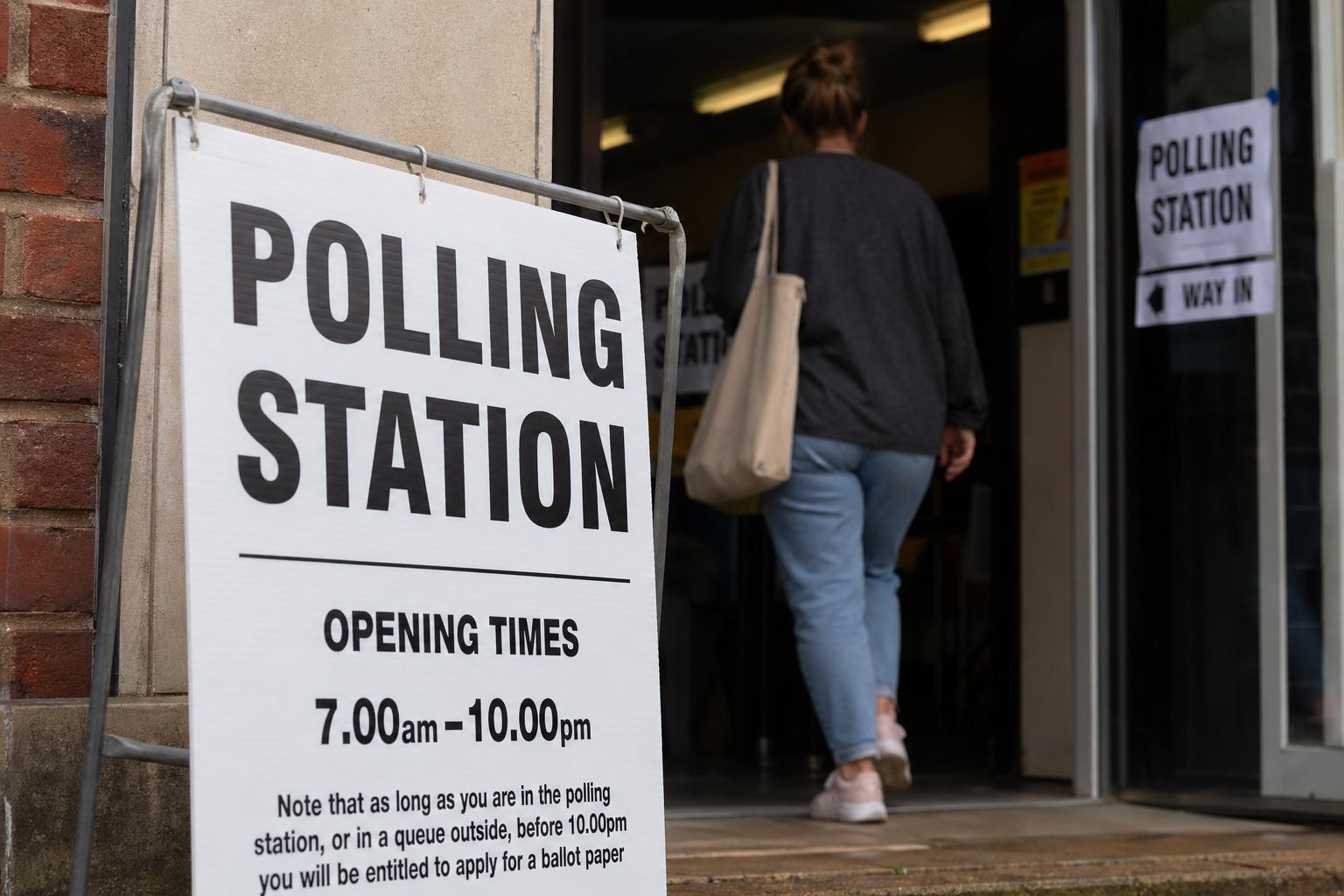
In recent years, the process of voting in the United Kingdom has undergone a notable change with the introduction of mandatory photo identification at polling stations. For voters in England, this requirement now applies to local elections, meaning anyone wishing to vote in person must present an accepted form of photo ID before being issued a ballot paper.
The policy was introduced under the Elections Act 2022, with the stated aim of strengthening the integrity of elections and increasing public confidence in the voting system. While the UK has historically seen very low levels of in-person voter fraud, the introduction of voter ID aligns it more closely with practices in some other democracies. However, it has also prompted discussion about accessibility and whether all voters will be equally prepared for the requirement.
What Counts as Acceptable Photo ID?
To vote in person, you must bring one form of valid photo ID. This must be an original document-photocopies or images on a phone are not accepted. The photograph should be a clear likeness of you, but importantly, the document itself does not have to be in date, provided the image still resembles your current appearance.
The list of accepted identification is broader than many people expect. Commonly accepted forms include:
A UK or international passport
A UK photocard driving licence (full or provisional)
A Blue Badge
A PASS card (Proof of Age Standards Scheme)
These are among the most widely held forms of ID and are likely to cover a large proportion of the electorate.
Additional Accepted Documents.
Recognising that not everyone holds a passport or driving licence, the rules also allow for a range of alternative forms of identification, particularly those used by older people and individuals with disabilities. These include:
Older Person’s Bus Pass
Disabled Person’s Bus Pass
Freedom Pass or Oyster 60+ card (London)
Scottish National Entitlement Card
Other government-issued travel passes
In addition, certain official documents such as biometric immigration documents, Ministry of Defence ID cards, and national identity cards from EEA countries are also accepted.
This broader list is intended to ensure that the requirement does not disproportionately exclude specific groups of voters.
What If You Don’t Have ID?
If you do not have any of the accepted forms of photo ID, you can apply for a Voter Authority Certificate (VAC). This is a free document issued specifically for the purpose of voting.
To obtain a VAC, you must be registered to vote and submit an application-usually online, by post, or in person at your local council office-along with a photograph. There is a deadline shortly before election day, so early application is important.
Alternatively, you can choose to vote by post, which does not require photo ID.
Key Things to Remember.
There are a few simple but important rules to keep in mind when heading to the polling station:
You only need to bring one form of ID
It must be the original document
It can be expired, as long as the photo still looks like you
The name on the ID should broadly match the electoral register
If you arrive without acceptable ID, polling staff will not be able to issue you with a ballot paper.
Differences Across the UK.
It is important to note that voter ID requirements are not identical across the UK. In England, photo ID is required for local elections. In Scotland and Wales, it is currently not required for local or devolved elections (though it is required for UK parliamentary elections). Northern Ireland has required voter ID for many years.
This variation can lead to confusion, particularly for voters who have recently moved between different parts of the country.
Public Awareness and Participation.
The introduction of voter ID has made public awareness more important than ever. Local councils, the Electoral Commission, and community organisations have all been working to ensure voters understand what is required before they arrive at polling stations.
For local candidates, the emphasis is often on participation-making sure people don’t miss out on having their say. Craig Cottrell, Independent candidate for Monument Ward, summed it up in straightforward terms:
“Elections are about making sure local people have a say in what happens in their community. Just make sure you bring your ID with you on the day-it's a small thing, but it means your voice will be heard.”
The requirement to show photo ID at polling stations in England represents a significant shift in the UK’s electoral process. While the list of accepted documents is extensive and designed to be inclusive, it remains crucial for voters to check that they have a valid form of ID well in advance of election day.
Ensuring that you are properly prepared-whether by bringing an accepted ID, applying for a Voter Authority Certificate, or opting for a postal vote-will help guarantee that your democratic right to vote is not inadvertently lost.
For the full and most up-to-date list of accepted photo ID, visit the Electoral Commission website:
https://www.electoralcommission.org.uk/voting-and-elections/voter-id/accepted-forms-photo-id
Local News
Acceptable Forms of Photo ID for Local UK Elections.
Advertisement



Comments (0)
You must be logged in to post comments.
Don't have an account? Register here
No comments yet. Be the first to share your thoughts!