
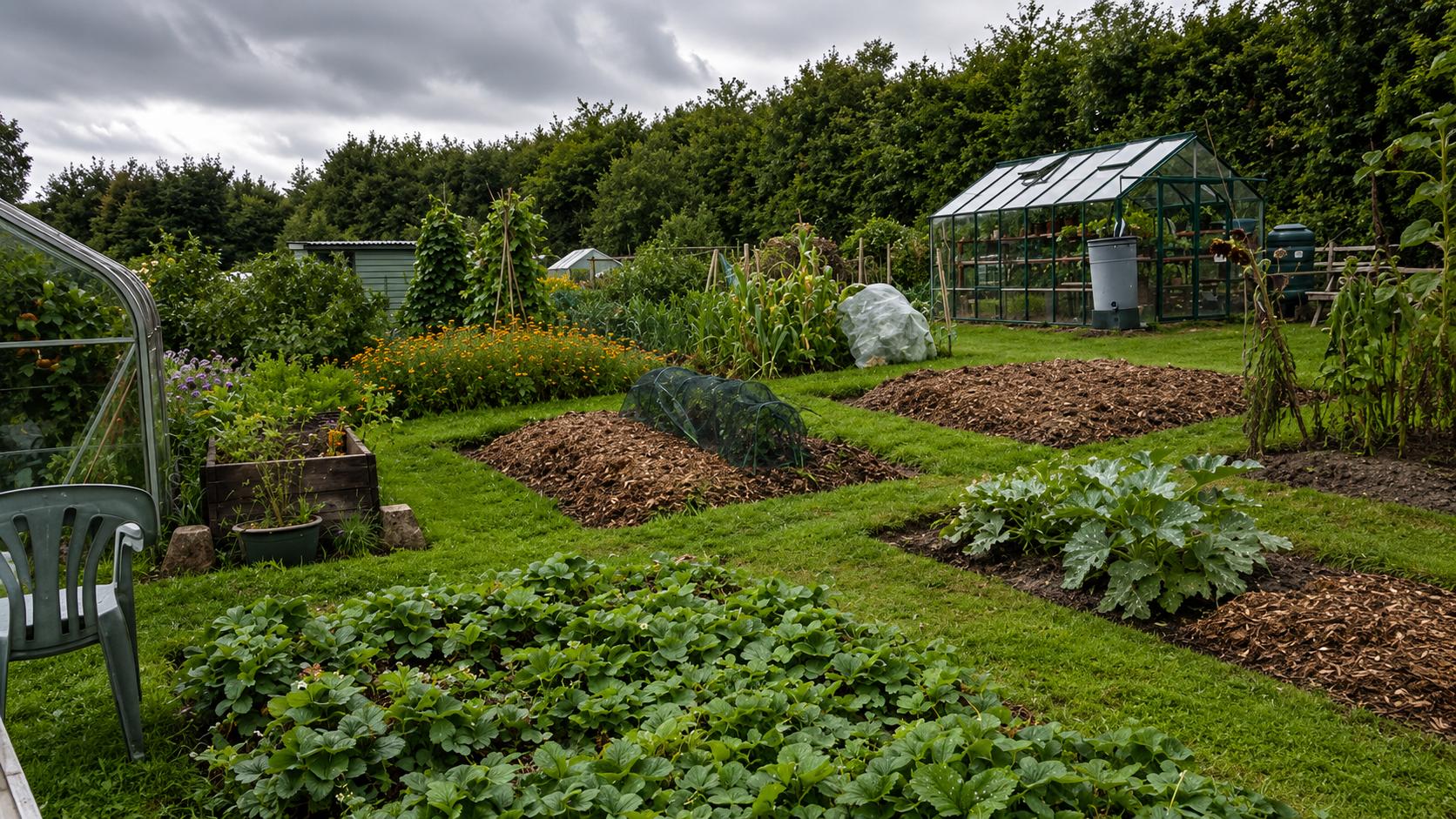
Across the North East, in the corners of towns and on the edges of communities, lie the allotments where generations of local people have grown their own fruit and vegetables. The allotment tradition runs deep in the region, a much-loved pastime that combines healthy outdoor activity, the satisfaction of growing food, and a strong sense of community. Down the allotment is where many people in the North East have found contentment, purpose and friendship for well over a century.
A Long Tradition.
The keeping of allotments has a long history in the North East, closely tied to the industrial communities of the region. In the days of the pits and the shipyards, allotments offered working people a precious patch of ground on which to grow food and spend time in the open air, away from the harsh conditions of their working lives. Mining communities in particular were renowned for their gardens and allotments, and the tradition of growing became an important part of working-class culture. The pitmen's gardens, with their leeks, vegetables and flowers, were a source of pride and pleasure, and that tradition continues today.
Growing Your Own.
At the heart of the allotment is the simple but deeply satisfying activity of growing your own food. There is a particular pleasure in planting, tending and harvesting fruit and vegetables, in eating produce that you have grown yourself, and in working with the soil and the seasons. The allotment provides fresh, healthy food and a connection to the natural cycle of growth that is increasingly rare in modern life. For the gardener, the rewards are both practical and profound, combining the produce of the plot with the deep satisfaction of having grown it.
The Pride of the Plot.
North East allotment holders have long taken great pride in their plots, and the region has a strong tradition of competitive growing. The cultivation of prize vegetables, grown to be as large and as fine as possible for show, has been a serious and passionate pursuit, with the leek in particular holding a special place in the affections of growers. The friendly but fierce competition to grow the finest specimens has been a feature of allotment life for generations, and the shows where the produce is displayed and judged are important events in the calendar. The pride that growers take in their plots is a wonderful thing to behold.
A Place of Peace.
Beyond the growing of food, the allotment offers something less tangible but equally valuable: a place of peace and escape. For many, the allotment is a refuge from the pressures of daily life, a quiet plot where they can work with their hands, breathe fresh air and lose themselves in the rhythms of the garden. The benefits to wellbeing are considerable, with the combination of gentle exercise, time outdoors and absorbing activity doing much for both body and mind. The allotment is a place where worries can be set aside and a sense of calm and contentment found among the growing things.
A Community of Growers.
Allotments are also communities, places where growers come together, share knowledge and form friendships. The allotment site is a social space, where neighbours on adjoining plots chat over the fence, swap seeds and produce, and help one another with advice and encouragement. This sense of community is an important part of the appeal of the allotment, providing companionship and a shared interest that brings people together. The friendships formed on the allotment, often across generations and backgrounds, are a valuable part of the tradition and a reflection of the strong community spirit of the region.
A Tradition for Today.
Far from being a thing of the past, the allotment tradition is thriving in the modern age. Growing interest in healthy eating, in sustainability and in the benefits of outdoor activity has brought new generations to the allotment, and demand for plots remains strong. The tradition has proved well suited to contemporary concerns, offering a way to grow fresh food, reduce waste and connect with nature that chimes with the values of the present day. The allotment has shown itself to be a tradition with a future as well as a past, as relevant now as it ever was.
A Cherished Pastime.
The allotment is one of the great traditional pastimes of the North East, a pursuit that brings together the pleasures of growing, the benefits of the outdoors and the warmth of community. Rooted in the industrial heritage of the region yet flourishing in the present day, it offers something genuinely valuable to those who take it up. To spend time down the allotment, tending the plot and enjoying the fruits of one's labour, is to take part in a tradition that has enriched the lives of North East people for generations. It is a simple pleasure, but a deeply rewarding one.
Growing for the Future.
The allotment tradition, for all its deep roots in the past, has shown a remarkable relevance to the concerns of the present and the future. In an age increasingly conscious of the importance of healthy eating, of sustainability and of the environment, the allotment offers a way of living that addresses many of these concerns directly. Growing one's own fruit and vegetables provides fresh, healthy and seasonal food, reduces the environmental costs of transporting and packaging produce, and fosters a deeper understanding of where food comes from and how it is grown.
The allotment also offers a model of a more self-sufficient and sustainable way of living, in tune with natural cycles and respectful of the environment. These qualities have given the tradition a new appeal to younger generations, who have embraced allotment gardening as a way of living more healthily and more sustainably.
The benefits to wellbeing, too, are increasingly recognised, with the gentle exercise, time outdoors and absorbing activity of gardening valued for their positive effects on mental and physical health. In all these ways, the allotment, a tradition rooted in the industrial communities of the past, has proved itself well suited to the needs and values of the present day. It is a living tradition with much to offer the future, combining the timeless satisfactions of growing one's own food with a thoroughly modern relevance to the challenges of healthy and sustainable living.
The continued strength of the tradition is a heartening sign.
Have your say.
Do you have an allotment, and what do you most enjoy about growing your own?
Lifestyle News
Down the Allotment: The North East's Great Growing Tradition
A celebration of the North East allotment tradition, rooted in the region's industrial communities, combining growing your own food, wellbeing and community.
Advertisement





Comments (0)
You must be logged in to post comments.
Don't have an account? Register here
No comments yet. Be the first to share your thoughts!