
While much of the conversation around the cost of living has focused on rising grocery bills and higher household expenses, there is some welcome news for families across Newcastle and the North East. Not every everyday essential has continued to climb in price, with several products and services becoming cheaper over the past year.
Although inflation remains above the Bank of England's long-term target, a combination of improving supply chains, lower wholesale energy costs and stronger competition between retailers has helped reduce prices in a number of areas. For households still carefully managing their monthly budgets, even modest savings can make a noticeable difference.
Here are some of the household essentials that have become more affordable, along with why prices have changed and what it means for consumers across the region.
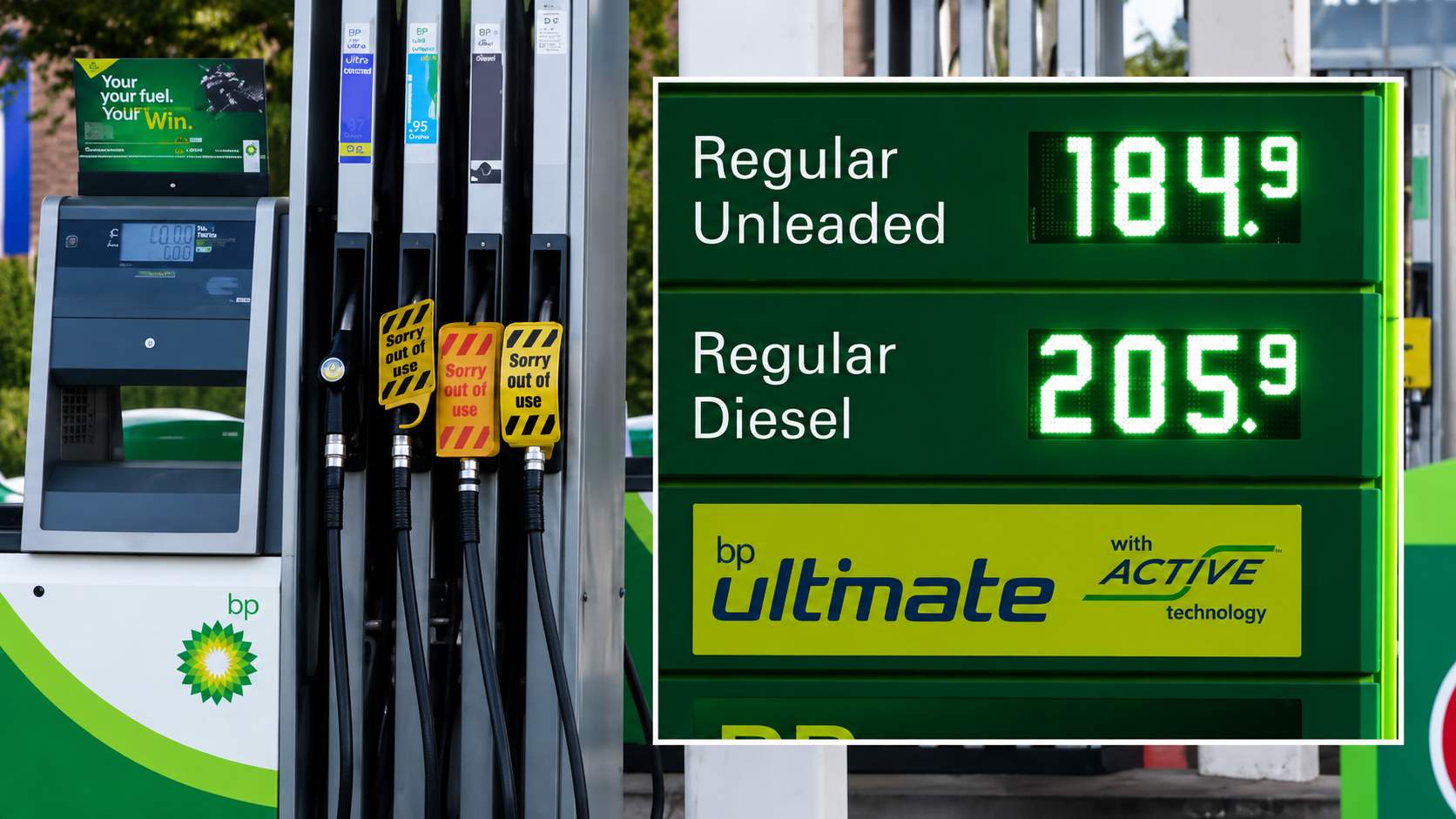
Petrol prices have eased from recent highs.
One of the most noticeable reductions has come at the fuel pump. Although prices still fluctuate depending on global oil markets, petrol and diesel remain cheaper than they were during the peaks experienced in recent years.
Office for National Statistics data showed motor fuel prices were around 6.7 percent lower in the year to July 2025, marking the twelfth consecutive month of annual price falls. Lower crude oil prices and improved global supply have helped drivers see some relief.
For commuters travelling between Newcastle, Gateshead, Sunderland and Durham, lower fuel prices can make a noticeable difference over the course of a month, particularly for households that rely on cars for work or school journeys.
Domestic energy costs have provided temporary relief.
Energy bills remain one of the biggest household expenses, but wholesale gas prices fell through much of 2025, allowing domestic tariffs to reduce compared with the previous year.
Government figures showed domestic electricity prices fell by 13 percent in real terms, while domestic gas prices decreased by 16 percent during the first quarter of 2025 compared with the same period in 2024.
Although recent changes to the Ofgem price cap mean bills have started rising again during 2026, many North East households benefited from lower tariffs before the latest increase.
The experience highlights how quickly energy prices can change and why many families continue focusing on reducing consumption through improved insulation and energy-efficient appliances.
Televisions are offering better value than ever.
Consumer electronics have quietly become one of the few categories where shoppers are paying less while receiving more advanced technology.
Competition between manufacturers, lower production costs and a slower replacement cycle have pushed television prices steadily downward. Large smart televisions that would have cost several hundred pounds more only a few years ago are now widely available at budget-friendly prices.
Industry analysts say this is largely because manufacturers increasingly generate revenue from advertising platforms and streaming services built into smart TVs rather than relying solely on hardware sales.
For families moving home or upgrading older equipment, electronics now represent one of the few purchases where buyers often receive better specifications for less money.
Some household appliances are becoming more competitive.
Kitchen appliances have also become increasingly competitive as retailers battle for customers. Air fryers, microwaves, kettles and vacuum cleaners regularly feature in supermarket promotions and seasonal discount events.
While premium models remain expensive, entry-level appliances have become more affordable thanks to greater competition and increased manufacturing capacity.
Many Newcastle shoppers now compare prices online before buying, encouraging retailers to keep promotional offers running throughout the year rather than only during major sales periods.
Although the purchase price is important, experts continue to recommend considering long-term running costs alongside the initial price, particularly for appliances used every day.
Broadband and mobile deals remain competitive.
Unlike food prices, broadband and mobile phone providers continue competing aggressively for new customers. Introductory offers, cashback promotions and bundled packages have helped many households reduce their monthly communications bills.
Consumer groups regularly recommend reviewing broadband and mobile contracts every year, as loyal customers often pay more than those switching providers.
For many households across the North East, changing supplier can result in annual savings worth well over £100 without sacrificing service quality.
Competition is helping shoppers find better value.
Although grocery prices remain considerably higher than they were before the cost of living crisis, increased competition between supermarkets is helping consumers find savings in other areas.
Discount retailers continue expanding across Newcastle and the wider North East, while loyalty schemes and price matching have become central to attracting shoppers.
Many households now routinely compare prices online, use supermarket apps and take advantage of personalised offers before completing their weekly shop.
These changes mean shoppers are becoming more informed than ever, helping them offset rising costs elsewhere.
Smart shopping continues to matter.
The reality for most families is that household budgets remain under pressure despite improvements in some areas. Food prices continue to sit well above pre-2022 levels, while housing costs and energy bills still account for a large share of monthly spending.
However, lower petrol prices, reduced energy costs during parts of 2025, falling television prices and increased competition across household appliances and communications show that not every expense is moving in the same direction.
For households across Newcastle and the North East, regularly comparing prices, switching suppliers where possible and taking advantage of retailer promotions remain some of the most effective ways to make everyday budgets stretch further as the cost of living continues to evolve.
Share your tips.
What household essentials have you found to be cheaper recently?
Lifestyle News
What Costs Less Than It Did Last Year?
Advertisement




Comments (0)
You must be logged in to post comments.
Don't have an account? Register here
No comments yet. Be the first to share your thoughts!