
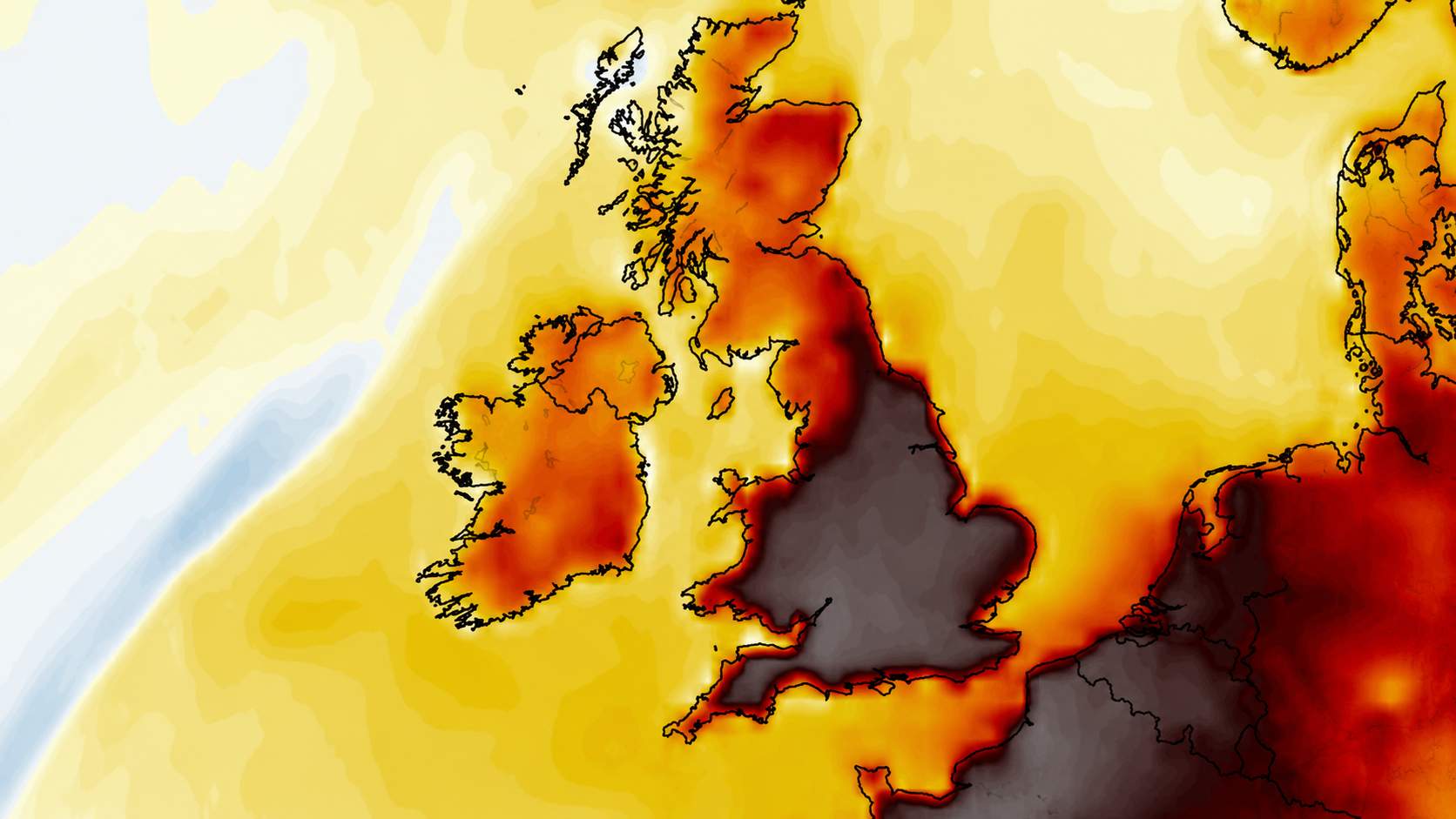
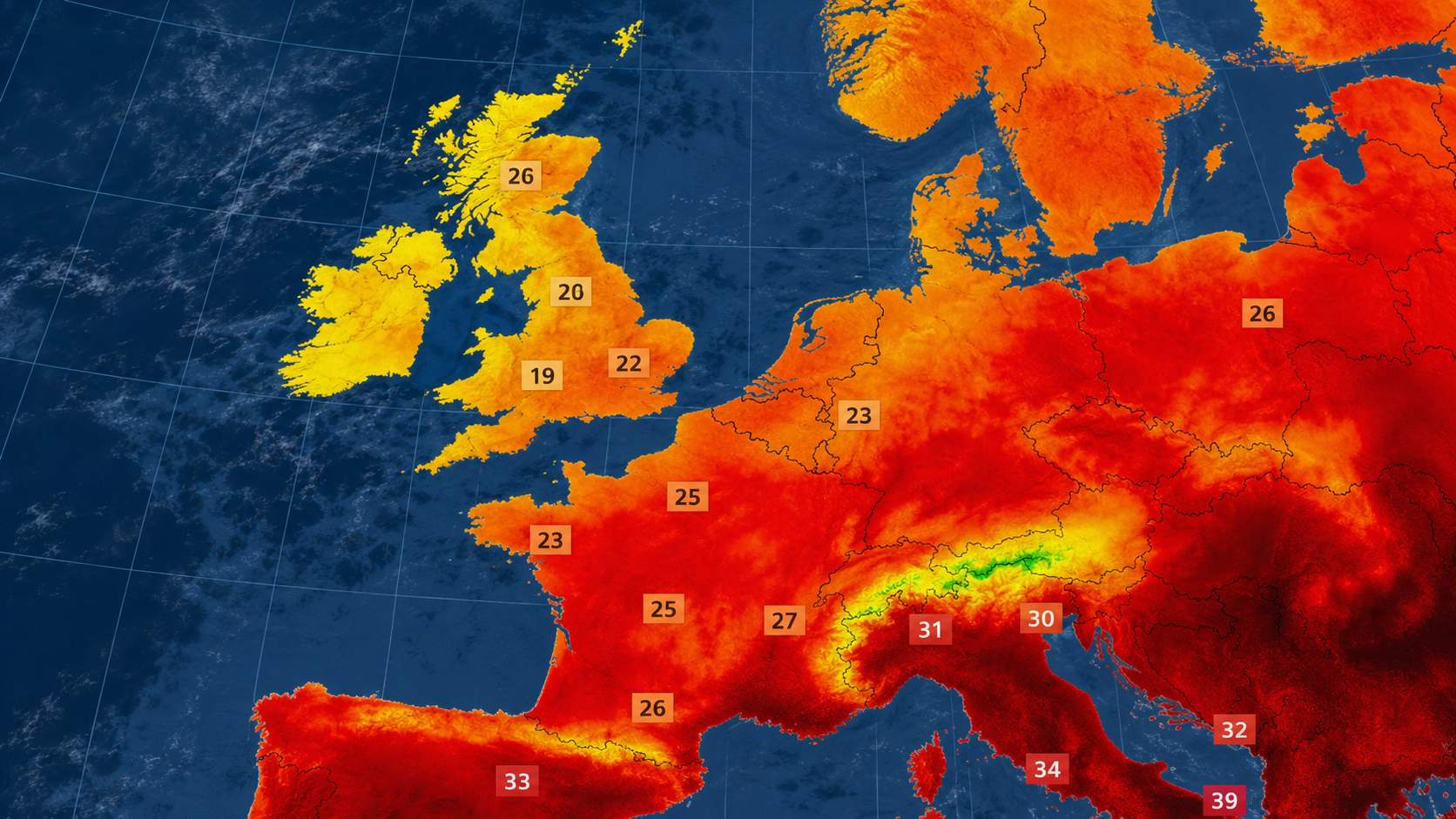
A fourth heatwave of 2026 is taking hold across parts of the UK, with temperatures expected to climb into the mid-30s later this week. While southern and eastern England prepare for another spell of intense heat, Newcastle and much of the North East are expected to avoid the most extreme conditions, although residents can still expect warmer than average weather.
Forecasters say the hottest conditions will arrive on Wednesday, with parts of the South East, East of England and the Midlands likely to record temperatures between 30C and 35C. The latest heatwave is expected to be shorter than previous hot spells this summer, but health officials are warning that even a brief period of high temperatures can create serious risks for vulnerable people.
Newcastle avoids the worst of the heat.
Unlike southern England, Newcastle and surrounding areas are expected to remain noticeably cooler throughout the week. While sunshine and warm conditions are likely at times, the North East should benefit from lower daytime temperatures and a greater chance of cloud compared with the country's hottest regions.
The familiar north-south weather divide is once again becoming clear. As London and the South East prepare for potentially uncomfortable heat, northern England, Scotland and Northern Ireland will continue to experience more changeable conditions, with occasional showers and fresher air helping to keep temperatures under control.
For many people across Newcastle, the milder weather may come as welcome news after weeks of unusually dry conditions that have affected much of the country.
Health alerts remain in place.
The UK Health Security Agency has issued amber Heat Health Alerts covering large parts of eastern and southern England, warning that hospitals, care services and vulnerable residents could all be affected by the rising temperatures.
Older people, young children and those living with long-term health conditions face the greatest risks during prolonged periods of hot weather. Officials are encouraging people to stay hydrated, avoid direct sunlight during the hottest hours of the day and check regularly on neighbours or relatives who may need extra support.
Although Newcastle is not included in the amber alert areas, public health advice still applies during warmer weather, particularly for anyone spending long periods outdoors.
Dry weather continues to raise concerns.
The latest heatwave follows one of the driest periods seen in years across many parts of England and Wales. Limited rainfall has left rivers, reservoirs and farmland under increasing pressure, while dry vegetation has created ideal conditions for wildfires.
Millions of households remain affected by hosepipe restrictions, and environmental experts warn that unless meaningful rainfall arrives soon, drought conditions could become more widespread during August.
Even where scattered showers develop later this week, forecasters say they are unlikely to provide enough rainfall to significantly improve ground conditions.
The statistics behind this remarkable summer.
This summer has already rewritten several weather records across the UK.
According to the Met Office, July's average UK temperature has reached around 17.5C, making it the second warmest month on record, behind only July 2006. At the same time, England has recorded just 4.4mm of rainfall during the month in some official measurements, placing it among the driest months ever recorded.
The Met Office has also confirmed that 2026 is the first year in UK weather records to record temperatures of 35C or higher during May, June and July, highlighting just how exceptional this summer has become.
These figures help explain why wildfire risks remain elevated and why water supplies continue to face increasing pressure across parts of the country.
What Newcastle residents can expect next.
Current forecasts suggest Newcastle will continue to enjoy warm summer weather without experiencing the extreme temperatures expected further south. Daytime highs are likely to remain significantly below those forecast across London and the South East, making outdoor activities more comfortable while still allowing residents to enjoy plenty of sunshine.
Weather patterns are expected to become more unsettled towards the end of the week, bringing the possibility of isolated showers across northern parts of the UK. However, widespread heavy rain remains unlikely in the immediate forecast.
For Newcastle businesses, parks and visitor attractions, the more moderate conditions could provide an advantage over parts of southern England where extreme heat may discourage people from spending long periods outdoors.
A summer that continues to surprise.
The UK's fourth heatwave of the year highlights just how unusual the summer of 2026 has become. While much of southern England braces for another burst of intense heat, Newcastle once again finds itself on the cooler side of the country's weather divide.
With drought concerns continuing, health alerts remaining active and little significant rainfall on the horizon, attention will now turn to whether August brings lasting relief or extends one of the most remarkable summers in recent UK weather history.
Join the conversation.
How has this summer's weather affected your everyday life in Newcastle?
Local News
Amber Heat Alerts Issued Across England As New Heatwave Forecast
Advertisement



Comments (0)
You must be logged in to post comments.
Don't have an account? Register here
No comments yet. Be the first to share your thoughts!