
Ambitious plans to bring buses across Newcastle and the wider North East back under public control have survived a major financial review, despite auditors uncovering a £104.9 million error in the original cost projections.
The discrepancy relates to staffing costs that had not been fully included in the financial modelling for the proposed bus franchising scheme. While the omission has increased the estimated cost of delivering the project, independent auditors concluded that the long-term plans remain affordable and financially viable.
The proposals, led by North East Mayor Kim McGuinness, would fundamentally reshape how bus services operate across the region, including Newcastle, Gateshead, Sunderland, Northumberland and County Durham. If approved, local authorities would gain control over fares, routes and timetables instead of leaving those decisions solely with private operators.
Audit identifies missing staffing costs.
An independent review carried out by Grant Thornton found that staffing costs worth £104.9 million over a 30 year period had been left out of the financial assessment. Although significant, auditors determined that the error represented only a small proportion of the overall cost of operating the proposed network.
Updated figures show that around £113 million of public investment would be required during the first decade of the franchising programme. Over 30 years, that figure would rise to approximately £437.8 million, reflecting commitments to protect services, limit fare increases and maintain the size of the regional bus network.
Despite the revised figures, officials insist the project remains within available funding and continues to offer stronger long-term value than the current deregulated system.
Newcastle commuters could see major changes.
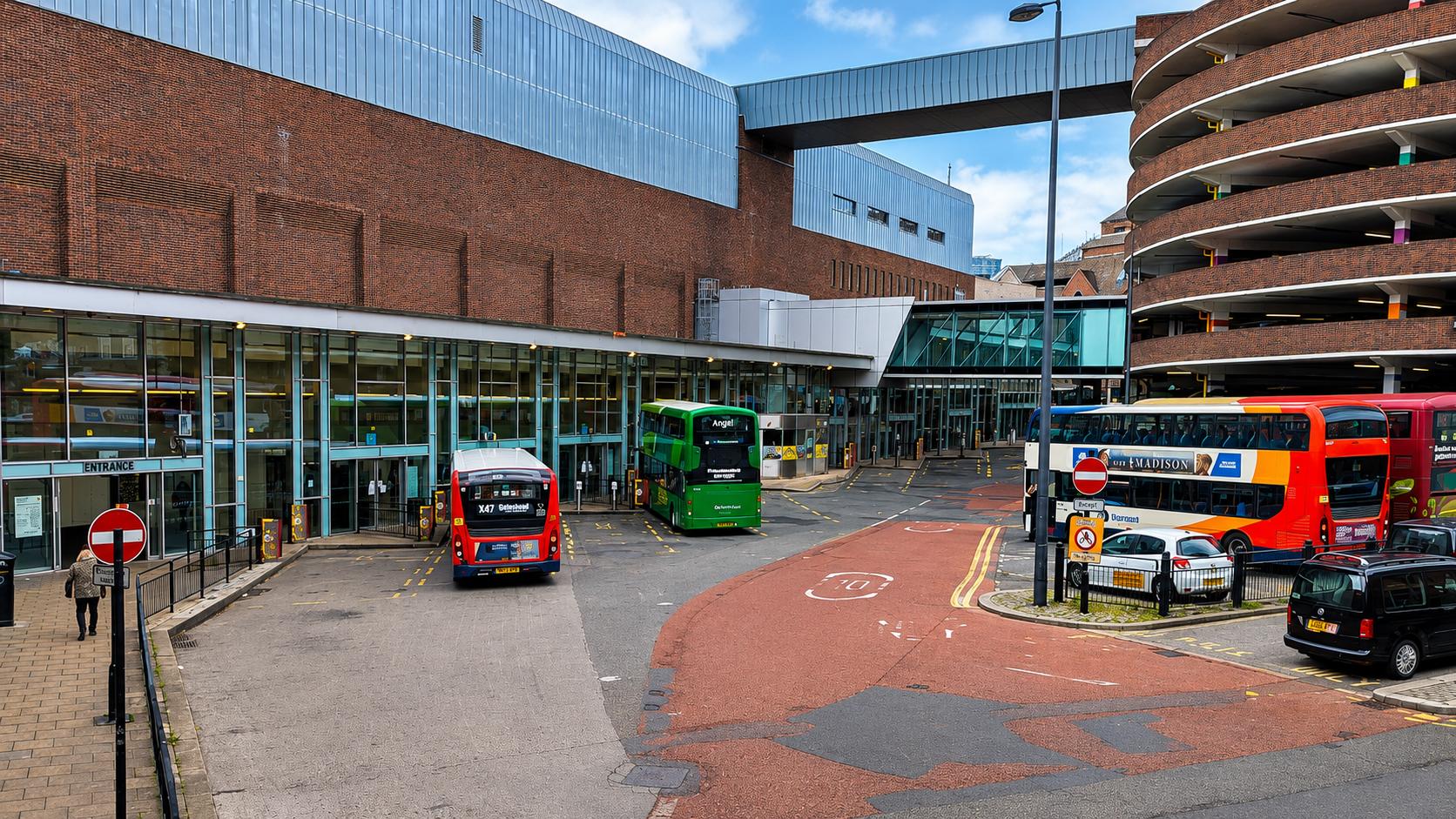
For thousands of passengers using Haymarket Bus Station and other transport hubs across Newcastle every day, the proposals could eventually deliver cheaper fares, more reliable services and improved connections between communities.
Transport planners estimate that bus fares could be around 22 percent lower after ten years under the franchising model. They also forecast an additional 15.7 million passenger journeys each year by 2059 compared with keeping the existing privately operated system.
Those ambitions mirror similar reforms introduced through Greater Manchester's Bee Network, which has become one of the highest profile examples of bus franchising outside London.
Questions remain over financial scrutiny.
While the audit did not derail the proposals, opposition councillors are seeking further assurances over how the financial oversight was handled.
Newcastle Liberal Democrat councillor Greg Stone has requested additional scrutiny into the calculations, arguing that a project of this scale deserves detailed examination before any final decision is made.
The North East Mayoral Authority's Audit and Standards Committee has already discussed holding further workshops later this year so councillors can examine the franchising plans in greater detail before the process moves forward.
Why bus reform matters across the North East.
Reliable public transport remains one of the biggest issues facing commuters across Newcastle and neighbouring areas. According to the Department for Transport, bus passenger journeys outside London increased by 4 percent during the year ending March 2025, highlighting growing demand for local services.
However, the National Audit Office has also reported that bus mileage outside London has fallen by around 15 percent since 2019, while passenger numbers remain below pre-pandemic levels, underlining the challenges many regional networks continue to face.
Supporters of franchising believe greater public control could reverse those trends by creating a more integrated and reliable network that encourages more people to leave their cars at home.
If the current timetable is maintained, the first Angel Network buses could begin operating across parts of the North East in September 2029, with further phases introduced over the following two years. Before then, residents across Newcastle and the wider region will have the opportunity to take part in the public consultation and help shape the future of local bus services.
Share your thoughts below.
What would improve Newcastle's buses most?
Travel News
Audit Reveals £104m Mistake in Bus Reform Plan
Advertisement


Comments (0)
You must be logged in to post comments.
Don't have an account? Register here
No comments yet. Be the first to share your thoughts!