
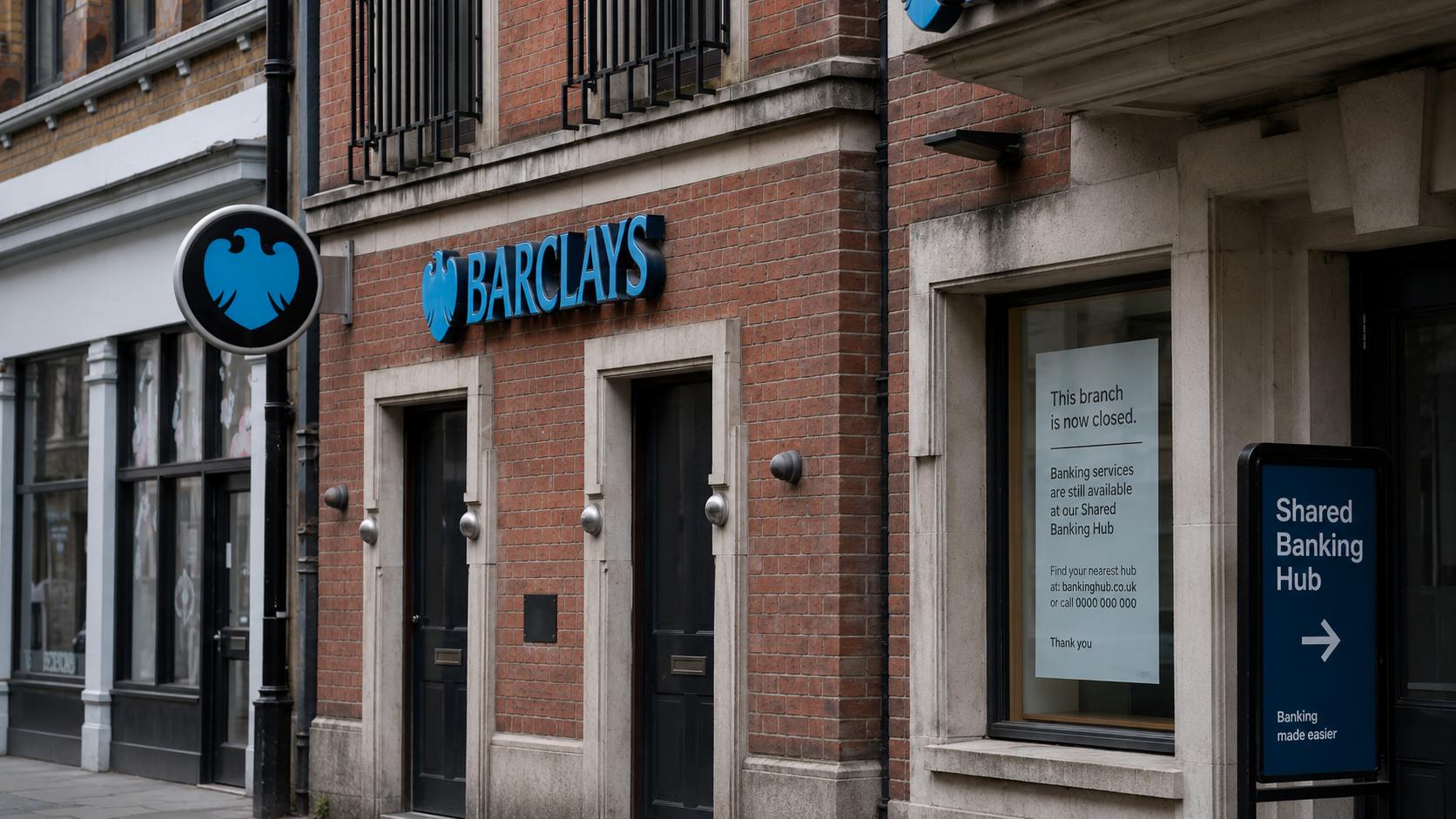
The local bank branch, once a fixture of every high street, is fast disappearing. Across the country, including in the North East, banks are closing branches at a rapid pace, leaving many communities, particularly older and rural ones, struggling to access the everyday banking services they rely on.
A Wave of Closures.
The scale of the closures is striking. Hundreds of bank branches have closed across the country in the space of a single year, with hundreds more scheduled to follow, continuing a trend that has seen thousands of branches vanish over the past decade.
The major high-street banks have all been shutting branches, reshaping the banking landscape and changing the character of high streets across the country. The pace of closure shows little sign of slowing.
The Digital Shift.
The driving force behind the closures is the shift to digital banking. As more people manage their money through apps and websites, visits to physical branches have fallen sharply, and the banks argue that maintaining branches that fewer people use no longer makes sense.
The decline of cash has compounded the trend, with cash now used for only a small fraction of payments. For the banks, the rising cost of maintaining branches against falling use has made closures an attractive option.
Who Is Left Behind.
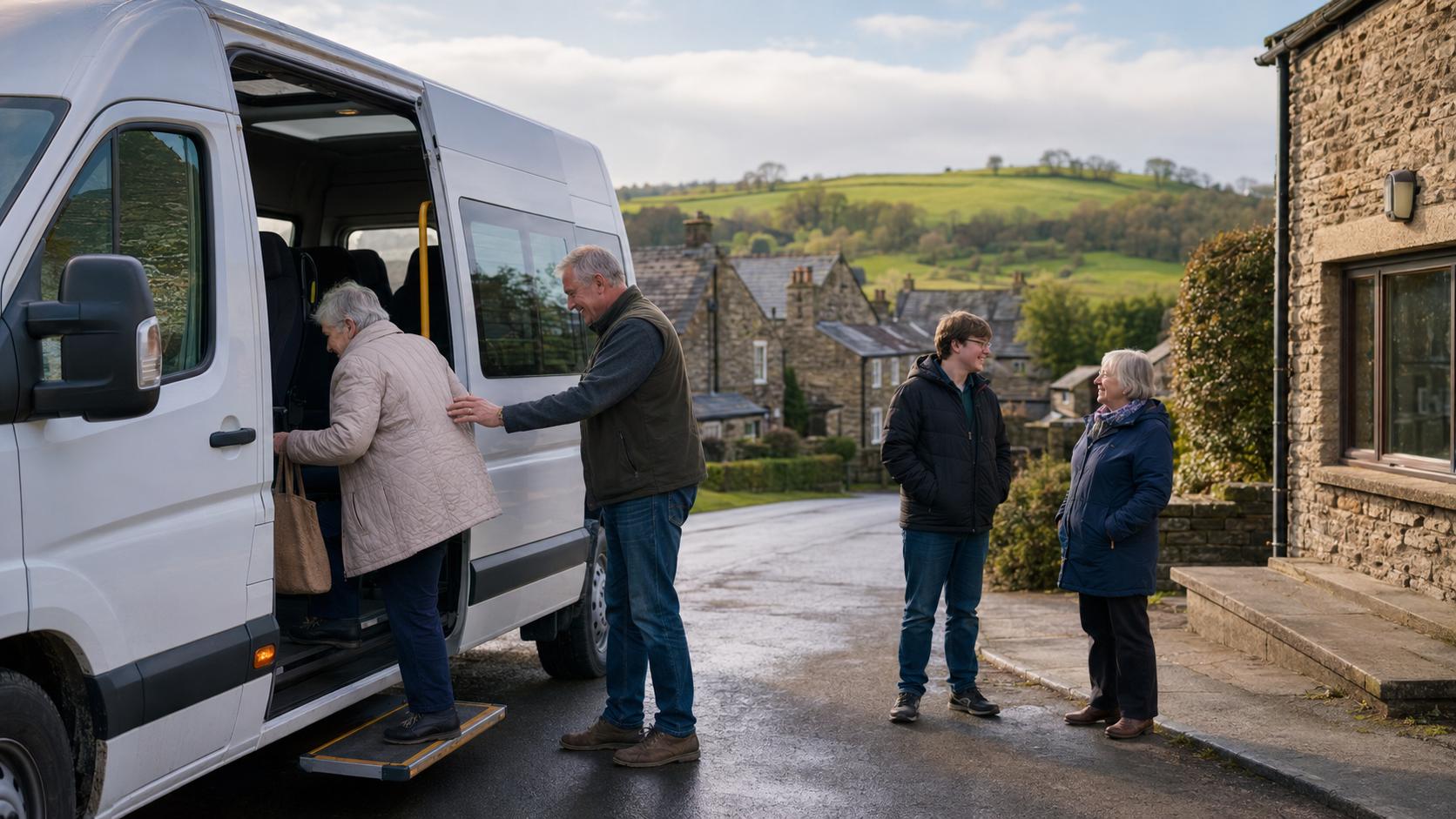
Yet the closures do not affect everyone equally, and it is often the most vulnerable who are hit hardest. Older people, those in rural areas, and those who are not comfortable with or do not have access to digital banking can find themselves cut off from the services they depend on.
For these groups, the loss of a local branch can mean long journeys to access cash or face-to-face banking, or difficulty managing their money at all. Small businesses, too, which often need to handle cash, can be left struggling when their local branch closes.
The Risk of Exclusion.
The concern is that the disappearance of branches risks creating a two-tier society, in which those comfortable with digital banking are well served while those who are not are left behind. There have been warnings that the country risks sleepwalking into financial exclusion, with some people effectively shut out of essential financial services.
Cash, in particular, remains vital for many people, including some of the most vulnerable, who rely on it to budget and to pay for everyday essentials. Ensuring that everyone can still access cash and banking is an important challenge.
The Banking Hub Solution.
In response to the closures, an alternative has emerged in the form of banking hubs, shared spaces on the high street where customers of any of the major banks can carry out everyday banking and access cash. Hundreds of these hubs have now opened across the country, with more on the way, and they have proved popular where they have appeared.
Alongside the hubs, post offices, of which there are far more than bank branches, also provide a way to access cash and some banking services. These alternatives aim to fill the gap left by closing branches, though questions remain about whether they are appearing quickly enough.
Government Action.
The issue has prompted action from the government, which has launched an independent review into the impact of branch closures and whether further measures are needed to protect access to banking. The review is due to report later in the year, and the government has signalled it is prepared to legislate if the evidence shows it is needed.
This reflects growing political concern about the consequences of branch closures for communities. The question of how to ensure access to cash and banking in a digital age is firmly on the agenda.
Why It Matters Here.
For the North East, with its rural communities, its older population in some areas, and its many high streets already under pressure, the disappearance of bank branches is a real concern. The loss of a branch can be keenly felt in a small town or rural community, removing a service that many residents and businesses rely on.
Ensuring that the region's communities retain access to cash and banking, whether through hubs, post offices or other means, is important for their economic and social wellbeing. The vanishing bank is a challenge the region shares with the rest of the country.
Banking on the Future.
The rapid disappearance of bank branches, driven by the shift to digital banking and the decline of cash, is reshaping how people access everyday financial services, with real consequences for those left behind. Banking hubs and post offices offer alternatives, and the government is examining whether more needs to be done.
For communities across the North East and beyond, the challenge is to ensure that the move to digital banking does not leave anyone unable to access the cash and banking services they need. In a changing world, no one should be shut out of something as essential as their own money.
The Value of the Branch.
The debate over bank branch closures touches on a deeper question about the role of the bank branch in our communities and the value of the services it provides. For much of the past century, the local bank branch was a fixture of the high street and a pillar of the community, a place where people managed their money, sought advice, and built relationships with their bank over many years.
The branch provided not just a service but a sense of trust and personal connection, particularly valued by those who preferred to deal with their money face to face. As branches disappear, something of this is lost, even as digital banking offers convenience and speed that the branch could never match.
For many people, particularly younger and more digitally confident customers, the shift to digital banking is welcome, offering the ability to manage their money anytime and anywhere. But for others, particularly older people, those in rural areas, and those who are not comfortable with technology, the loss of the branch can be genuinely disorienting and difficult, removing a service they have relied on all their lives.
The challenge is to navigate this transition in a way that embraces the benefits of digital banking while ensuring that those who need or prefer face-to-face services, and access to cash, are not left behind. The emergence of banking hubs and the continued role of post offices offer part of the answer, providing shared spaces where people can access the services they need.
Ensuring that these alternatives are available where they are needed, and that no one is excluded from something as essential as their own money, is an important responsibility. The vanishing branch is a sign of changing times, but the need for accessible banking endures.
Have your say.
How have bank closures affected you or your local community?
Community News
The Vanishing Bank: What Branch Closures Mean for Communities
Banks are closing branches at a rapid pace, hitting older and rural communities hardest. We look at what the vanishing bank means and the alternatives emerging.
Advertisement




Comments (0)
You must be logged in to post comments.
Don't have an account? Register here
No comments yet. Be the first to share your thoughts!