
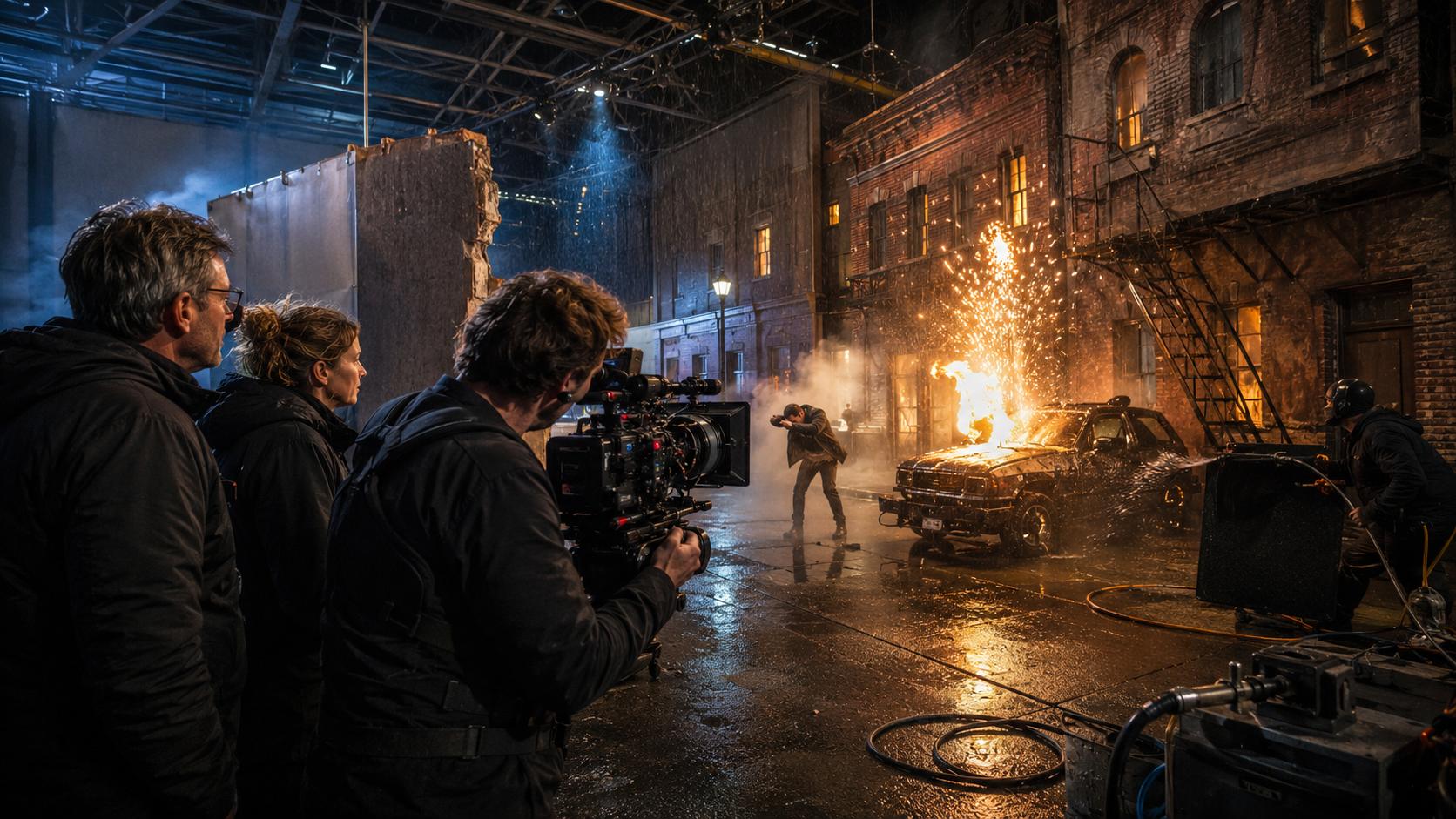
For all the advances in computer-generated imagery over the past thirty years, a surprising number of filmmakers continue to reach for rubber, foam and animatronics rather than a render farm. Practical effects, built physically on set rather than added digitally afterwards, retain a devoted following among directors who argue that nothing quite replicates the weight and presence of something genuinely there in front of the camera.
Part of the reasoning is technical. Actors respond differently to a physical creature or set piece than they do to a tennis ball on a stick representing a future digital character, and that authenticity often translates directly to the screen. A monster built from latex and mechanics casts real shadows and interacts with real light in ways that can be difficult to convincingly fake, even with modern rendering technology.
Audiences have proven remarkably good at sensing the difference, even when they cannot articulate exactly why a scene feels more convincing. Films celebrated for their practical work are frequently held up as high points of their genre years after release, while heavily digital sequences from the same era can feel comparatively dated, a gap that has only encouraged more productions to return to physical craftsmanship.
Workshops specialising in practical effects and prosthetics have found steady work supplying independent productions and television dramas, including projects filmed across the North East, where regional studios have increasingly attracted work that once would have gone exclusively to London or overseas. The skills involved, from sculpture to mechanics, remain in genuine demand.
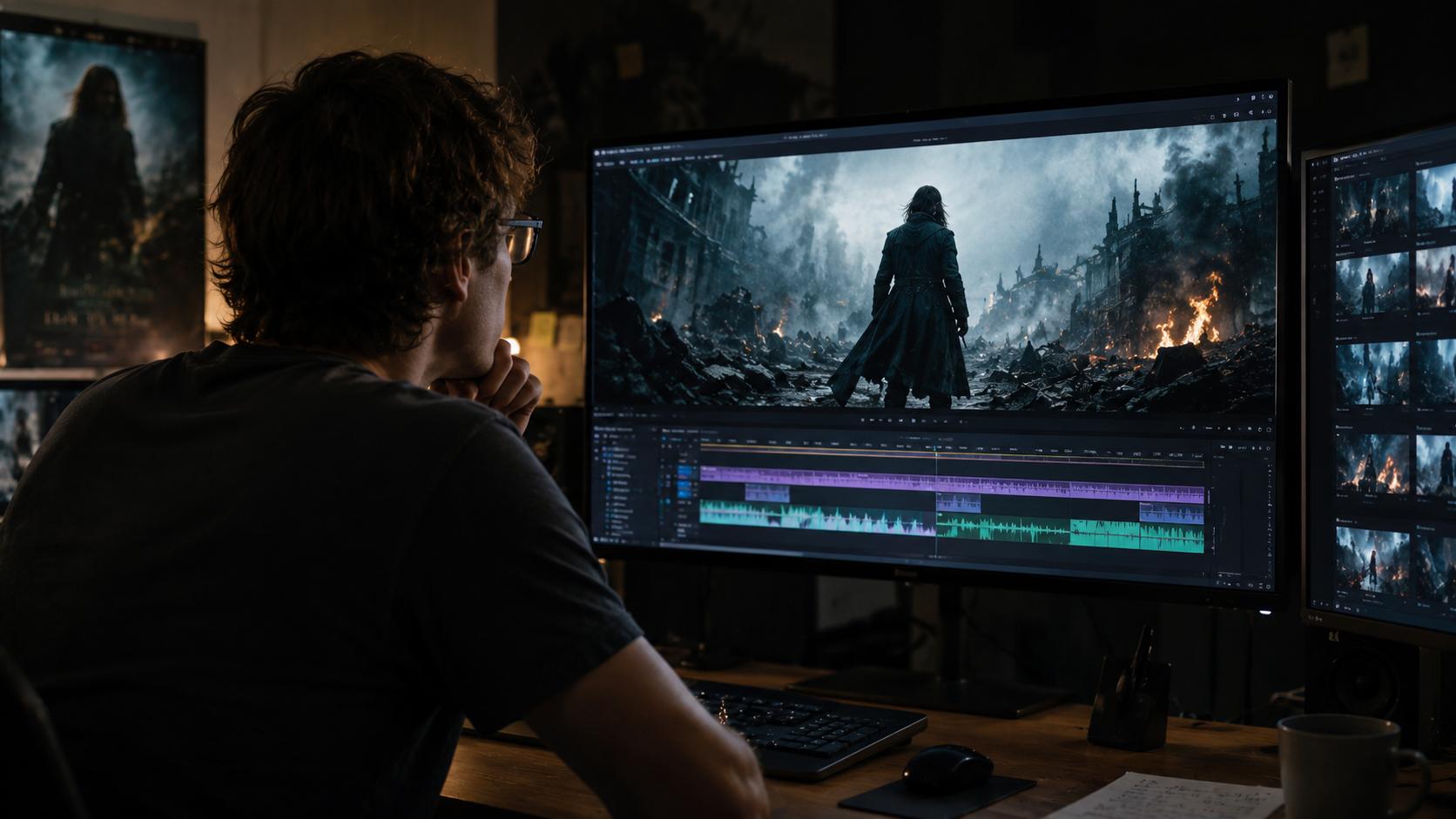
None of this amounts to a rejection of digital tools, which remain indispensable for effects simply impossible to achieve physically, from sweeping fantasy landscapes to entire digital characters. Most modern productions now favour a hybrid approach, using practical work as a tactile foundation and digital effects to extend or refine it rather than replace it outright.
Behind-the-scenes documentaries and social media content showcasing practical effects work have also proven unexpectedly popular in their own right, with clips of animatronic puppeteers or prosthetic transformations regularly racking up millions of views online. That public fascination with the physical mechanics behind a favourite creature or character has helped elevate effects artists from anonymous crew members into recognised craftspeople with dedicated followings.
Training the next generation of practical effects artists remains a significant challenge, with the highly specialised skills involved often passed down through apprenticeship-style mentoring rather than formal education alone. Industry bodies have increasingly called for greater investment in dedicated training pathways, warning that without deliberate effort the pool of experienced practical effects talent could shrink even as demand for their work continues to grow.
Conventions and fan expos dedicated to film and television have increasingly featured practical props and creature builds as headline attractions, with original costumes and animatronics drawing crowds keen to examine, up close, the physical craftsmanship that once existed only briefly in front of a camera before being packed away into storage.
That blended philosophy looks set to define the next era of effects work. As audiences grow increasingly discerning about spotting purely digital spectacle, the tactile, hands-on craft of practical effects seems likely to remain a valued part of the filmmaking toolkit rather than a nostalgic footnote. For crews who have spent careers perfecting the art, that quiet resurgence of appreciation feels thoroughly deserved.
Join the conversation below.
Do you still prefer practical effects over CGI?
Entertainment News
Behind the Scenes: Why Practical Effects Still Beat CGI for Many Filmmakers
Despite decades of digital advancement, filmmakers and audiences alike continue to champion practical effects, valuing the tactile realism that computer-generated imagery still struggles to match.
Advertisement

Comments (0)
You must be logged in to post comments.
Don't have an account? Register here
No comments yet. Be the first to share your thoughts!