
Long before a film reaches cinemas, its fate is often already being decided in a two-minute trailer released months in advance. Despite the explosion of promotional formats now available to studios, from social media teasers to influencer campaigns, the traditional trailer remains one of the most closely scrutinised pieces of marketing in entertainment, dissected frame by frame by audiences within minutes of release.
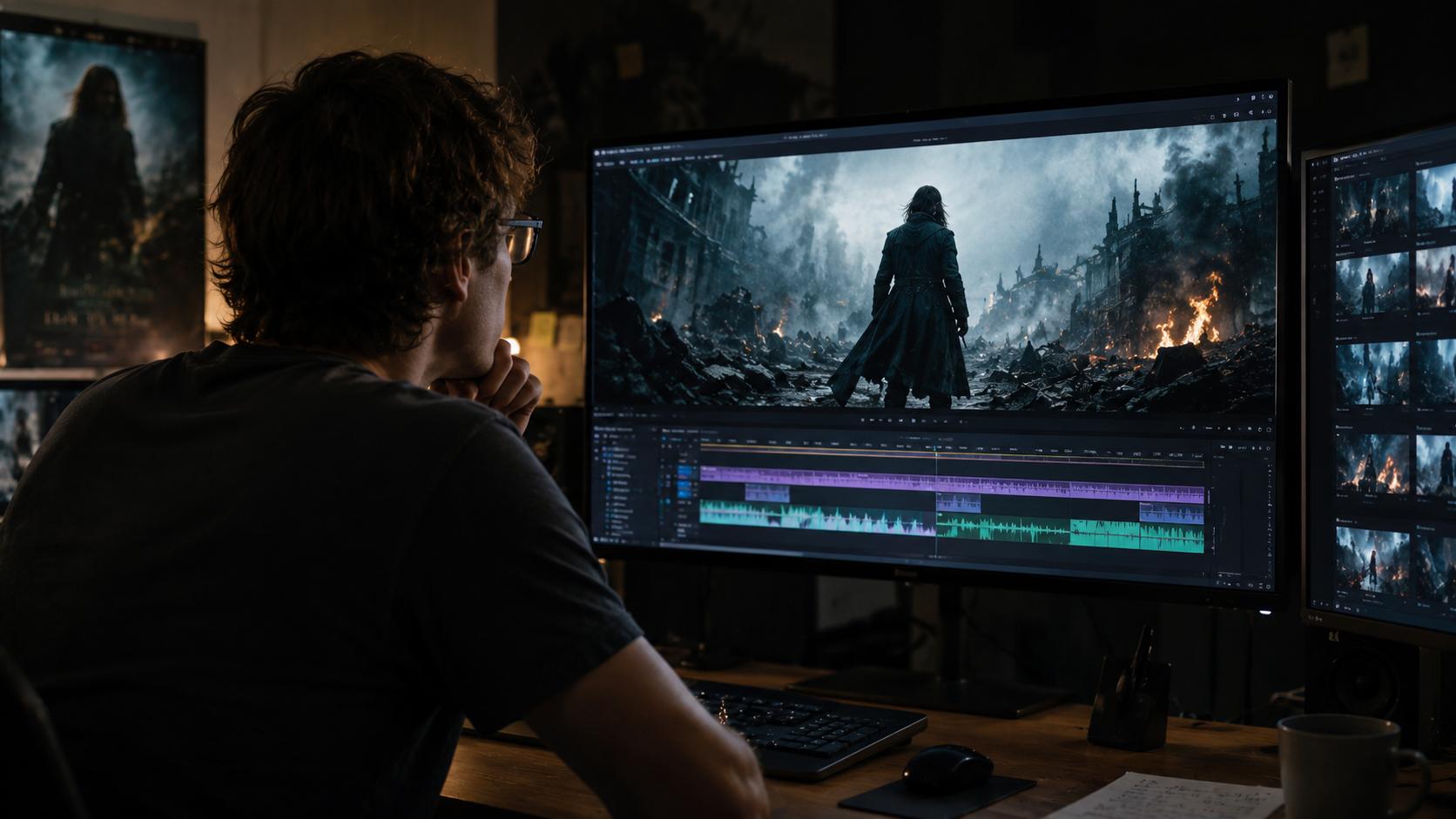
Crafting an effective trailer has become something of an art form in itself, requiring editors to distil an entire film's tone, story and appeal into a brief sequence without giving away crucial plot details. The best trailers manage to generate genuine excitement while leaving audiences with unanswered questions, striking a balance that keeps viewers debating and theorising in the run-up to release.
Online reaction has added an entirely new layer of pressure to the process, with trailers now routinely analysed shot by shot across social media within hours of publication. A single poorly received trailer can shape public perception of a film for months, regardless of the finished product's actual quality, making trailer strategy a genuinely high-stakes part of any major release.
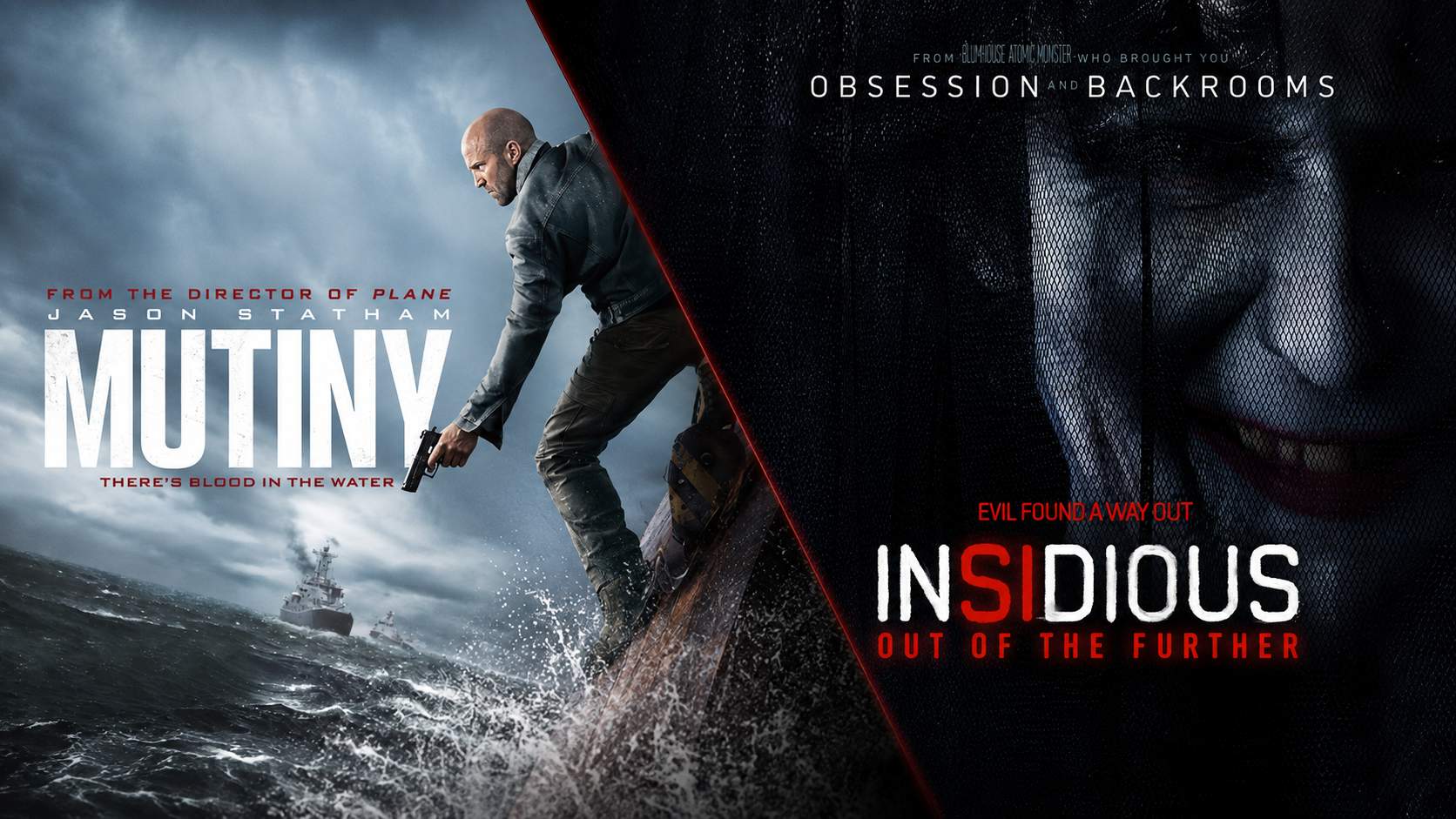
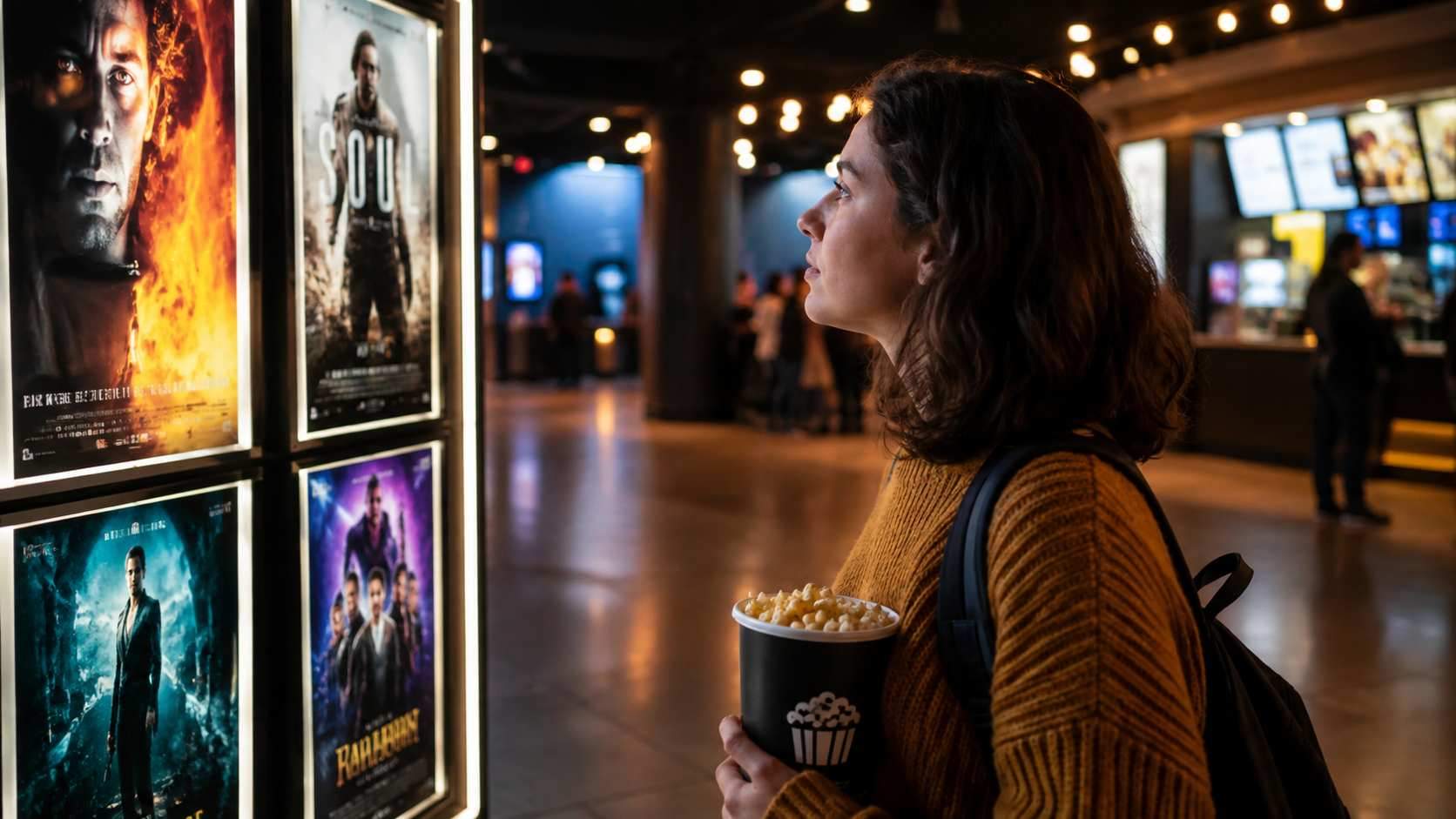
Cinemas have leaned into this culture of anticipation, with some venues across the North East hosting dedicated trailer preview evenings ahead of major franchise releases, drawing enthusiastic crowds keen to see first-look footage on the big screen rather than a phone. These events have become minor cultural moments in their own right for dedicated cinemagoers.
Streaming has complicated the picture further, with algorithm-driven platforms now testing multiple trailer variants tailored to different audience segments, a far cry from the single unified trailer once shown in every cinema regardless of who was watching. This targeted approach reflects just how valuable that first impression has become in a market with endless competing choices.
Music has always played a disproportionately important role in trailer editing, with a single well-chosen track capable of defining a film's tone before a word of dialogue is even heard. Trailer editors frequently reach for existing songs or dramatic orchestral cues entirely unconnected to a film's actual score, purely because of the emotional response a particular piece of music is known to reliably provoke in an audience.
Teaser trailers, typically released far earlier and offering only fragments of footage, have become an art form of their own, designed to generate discussion and speculation rather than convey a complete sense of the story. Some franchises have leaned into this deliberately, releasing a sequence of escalating teasers over many months to sustain anticipation for as long as possible before a full trailer is finally unveiled.
Reaction videos, in which viewers film themselves watching a trailer for the first time and share the unedited footage online, have become an unexpected but significant part of the modern promotional ecosystem, offering studios a form of authentic, unscripted excitement that traditional advertising struggles to replicate convincingly.
Whatever form promotional strategy eventually takes, the fundamental purpose of the trailer looks set to endure: convincing an audience, in the space of a couple of minutes, that a story is worth their time. In an entertainment landscape defined by choice overload, that brief window of persuasion matters more than ever. In many respects, the trailer remains cinema's purest form of storytelling shorthand, distilled into its most essential parts.
Have your say.
Does a trailer ever change your mind about a film?
Entertainment News
The Art of the Movie Trailer: Why First Impressions Still Matter
In an age of instant online scrutiny, the humble film trailer remains one of cinema's most powerful marketing tools, capable of building or breaking anticipation within minutes.
Advertisement

Comments (0)
You must be logged in to post comments.
Don't have an account? Register here
No comments yet. Be the first to share your thoughts!