
There is a certain snobbery about coach travel that has survived long past the point where it made sense. The mental image is of a cramped vehicle, a broken toilet and a service station at three in the morning, and while none of that has entirely disappeared, it bears little resemblance to what is actually on offer from Newcastle.
For a substantial number of journeys, particularly for anyone travelling on a tight budget or with a lot of luggage, the coach is not merely the cheap option. It is a sensible one.
Three operators, different propositions.
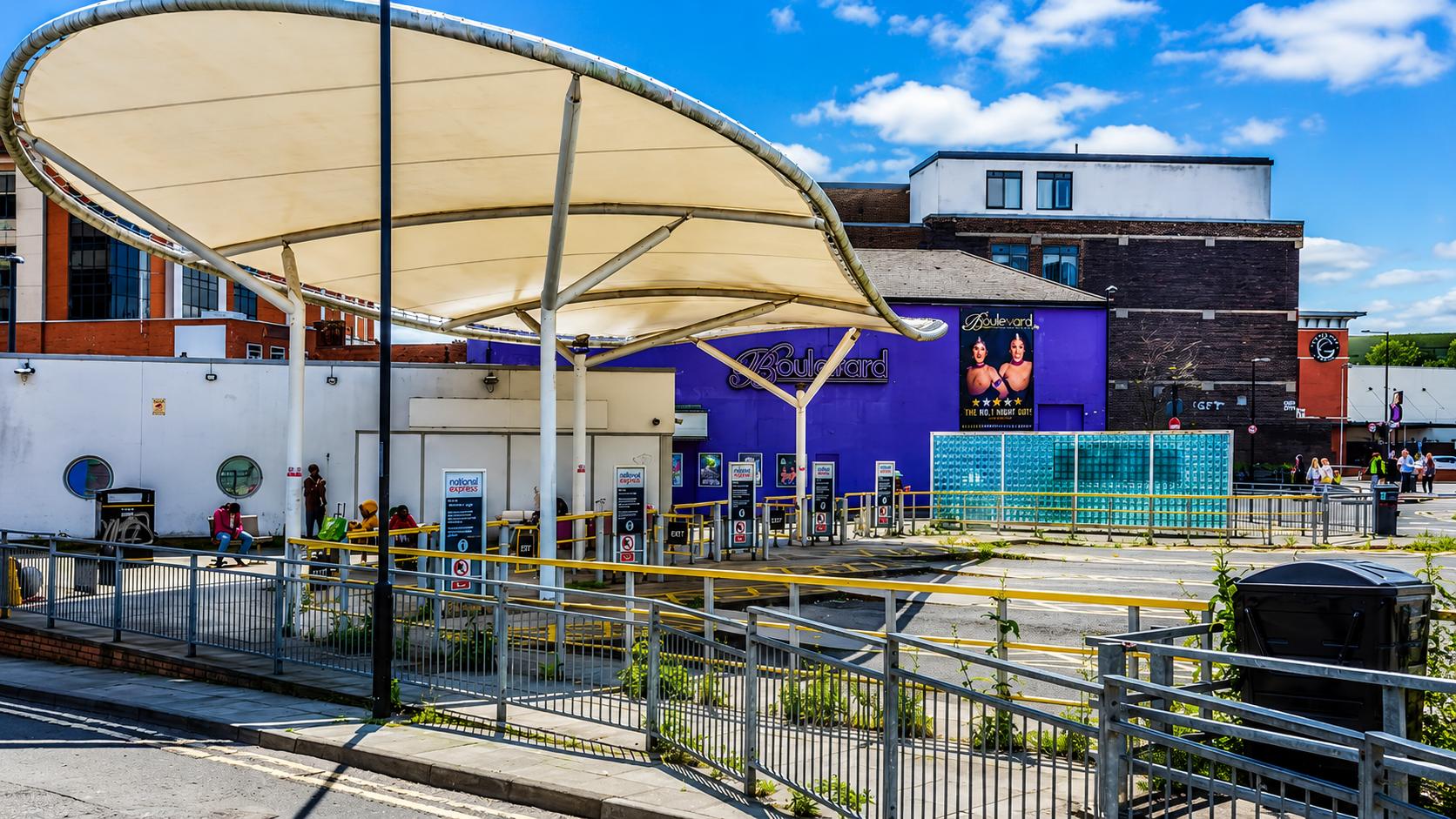
National Express runs the traditional scheduled network, with the widest route coverage from Newcastle and connections through its hubs to almost anywhere in England and Wales. It is generally the most comprehensive and offers the most departures.
Megabus built its reputation on very low headline fares booked far in advance, with prices rising as departure approaches. Booking early is the entire strategy.
FlixBus, the German operator that expanded across the UK, competes on similar ground with a growing route network and aggressive pricing.
All three serve Newcastle, and fares between them vary enough that checking each is worth the five minutes it takes.
The price difference is not marginal.
A coach fare from Newcastle to London booked in advance is routinely a fraction of the equivalent walk-up rail fare and frequently cheaper than an advance train ticket too.
For groups and families the gap widens, since coach fares are per seat with no peak restrictions to navigate and no complicated split-ticketing required to get a reasonable price.
Coachcards for young people, students and older travellers reduce fares further, and they pay for themselves quickly for anyone making the journey more than once or twice a year.
The trade-off is time, and it is a real one. The coach to London takes considerably longer than the train, and the journey to the south west or to Scotland's west coast is a serious commitment.
Luggage is where coaches win outright.
Coach luggage allowances are generous compared with budget airlines and are not policed with the same enthusiasm. Two items in the hold plus hand luggage is a typical allowance, with no charge and no weighing.
For students moving to or from university, that alone makes the coach the obvious choice. A term's worth of possessions goes in the hold without anybody producing a tape measure.
Bulky items, bicycles and musical instruments have their own rules and generally require advance arrangement, so check rather than turning up with a cello.
Overnight services and how to survive them.
Overnight coaches exist on the longer routes and save the cost of a night's accommodation, which for some travellers makes the whole trip viable.
They are not comfortable, and pretending otherwise helps nobody. Seats recline modestly, lighting is dimmed but not off, and the coach stops en route. An eye mask, a proper neck pillow, earplugs and a layer more clothing than seems necessary make the difference between a rough night and no sleep at all.
Aisle seats give legroom, window seats give something to lean against, and the seats over the wheel arches are the ones to avoid.
Practical points for departing Newcastle.
Coach services depart from the coach station facilities in the city centre, close to the Metro and to Central Station, which makes connecting from elsewhere in Tyneside straightforward.
Arrive earlier than feels necessary. Coaches board before departure and, unlike a train, a coach that has closed its doors and pulled out is not followed by another one in fifteen minutes.
Check the specific stop, since operators use different departure points and some services pick up at additional stops around the city and at the airport.
Onboard facilities and expectations.
Most modern coaches on long-distance routes have a toilet, wifi of variable reliability, power sockets and air conditioning. The wifi is generally adequate for messaging and poor for streaming, so download what you want beforehand.
Scheduled comfort breaks on longer journeys are typically at motorway services and last long enough to buy something overpriced. The driver will state the departure time and will not wait indefinitely.
Food is not provided. Bringing your own is normal, cheaper and better.
Where coaches genuinely beat the alternatives.
Journeys to places without good rail connections are the strongest case. Coaches serve a great many towns where the train requires two or three changes, and the direct coach is both cheaper and faster in practice.
Airport connections are another. Coach services link Newcastle with the major airports, which for a cheap flight from Manchester or Leeds Bradford can make the whole trip work financially.
For anyone nervous about flying, unable to fly for medical reasons, or simply reluctant to, the coach network combined with continental services opens up European travel without an aircraft.
Accessibility.
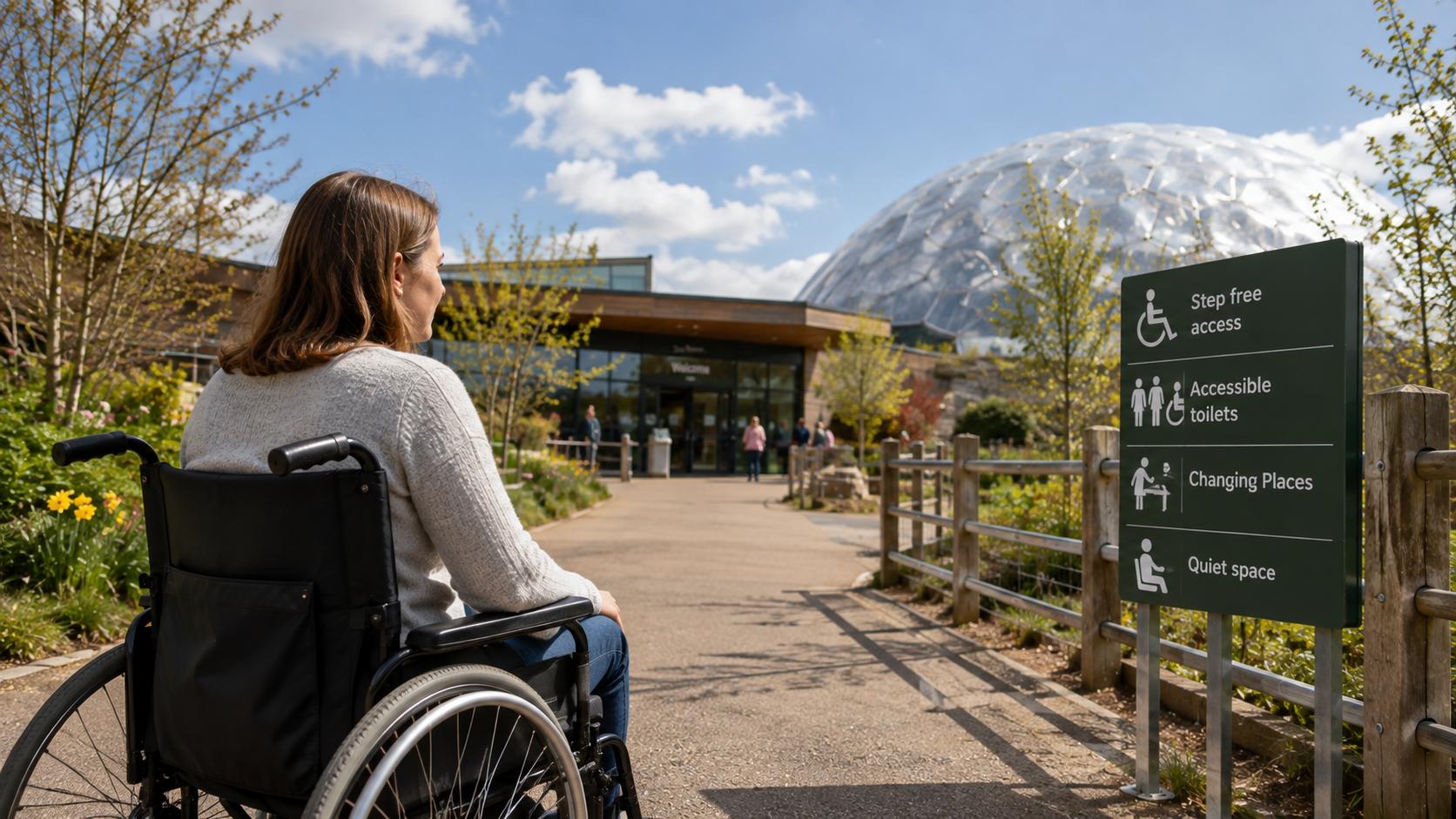
Modern coaches on scheduled services generally have wheelchair accessibility, but this requires booking in advance so that the operator can confirm the vehicle and arrange assistance at the stations involved.
Assistance dogs travel free. Concessionary bus passes do not generally apply to long-distance coach services, which surprises people, though operator-specific concessions exist.
Share your thoughts.
When did you last take a long-distance coach, and would you consider it over the train?
Travel News
Coach Travel From Newcastle: The Cheap Way South
Advertisement

Comments (0)
You must be logged in to post comments.
Don't have an account? Register here
No comments yet. Be the first to share your thoughts!