
Council tax is a property-based local tax charged on virtually every domestic property across Newcastle and the rest of England, funding a significant proportion of the services delivered by Newcastle City Council each year. Unlike income tax, council tax is not based on what a household actually earns, but instead on the estimated value of the specific property they live in, placed into one of eight valuation bands.
Every domestic property in Newcastle falls into a band ranging from A, the lowest, through to H, the highest, based on an assessed property value from 1 April 1991, the fixed valuation date still used for council tax banding purposes today despite the considerable changes to actual property prices across the city in the decades since that original valuation exercise took place.
Band D is generally treated as the standard reference point when councils set and compare council tax rates, with charges for every other band calculated as a fixed proportion of the Band D figure. A Band A property typically pays around two-thirds of the Band D rate, while a Band H property pays roughly double, reflecting the assumed difference in property value between the very top and bottom of the banding scale.
Newcastle City Council sets its own council tax rate annually as part of its budget-setting process, though the final bill residents actually receive also includes precepts collected on behalf of other public bodies, including the Northumbria Police and Crime Commissioner, the regional fire and rescue service, and, more recently, the North East Mayor's office, meaning Newcastle's council tax bill actually funds several entirely separate public organisations at once.
Council tax revenue funds a genuinely wide range of essential local services, including adult social care, children's services, waste collection and recycling, road maintenance, libraries, and support for the city's most vulnerable residents. Adult social care in particular has become an increasingly significant portion of council tax spending nationally in recent years, as an ageing population places growing demand on local authority care budgets everywhere.
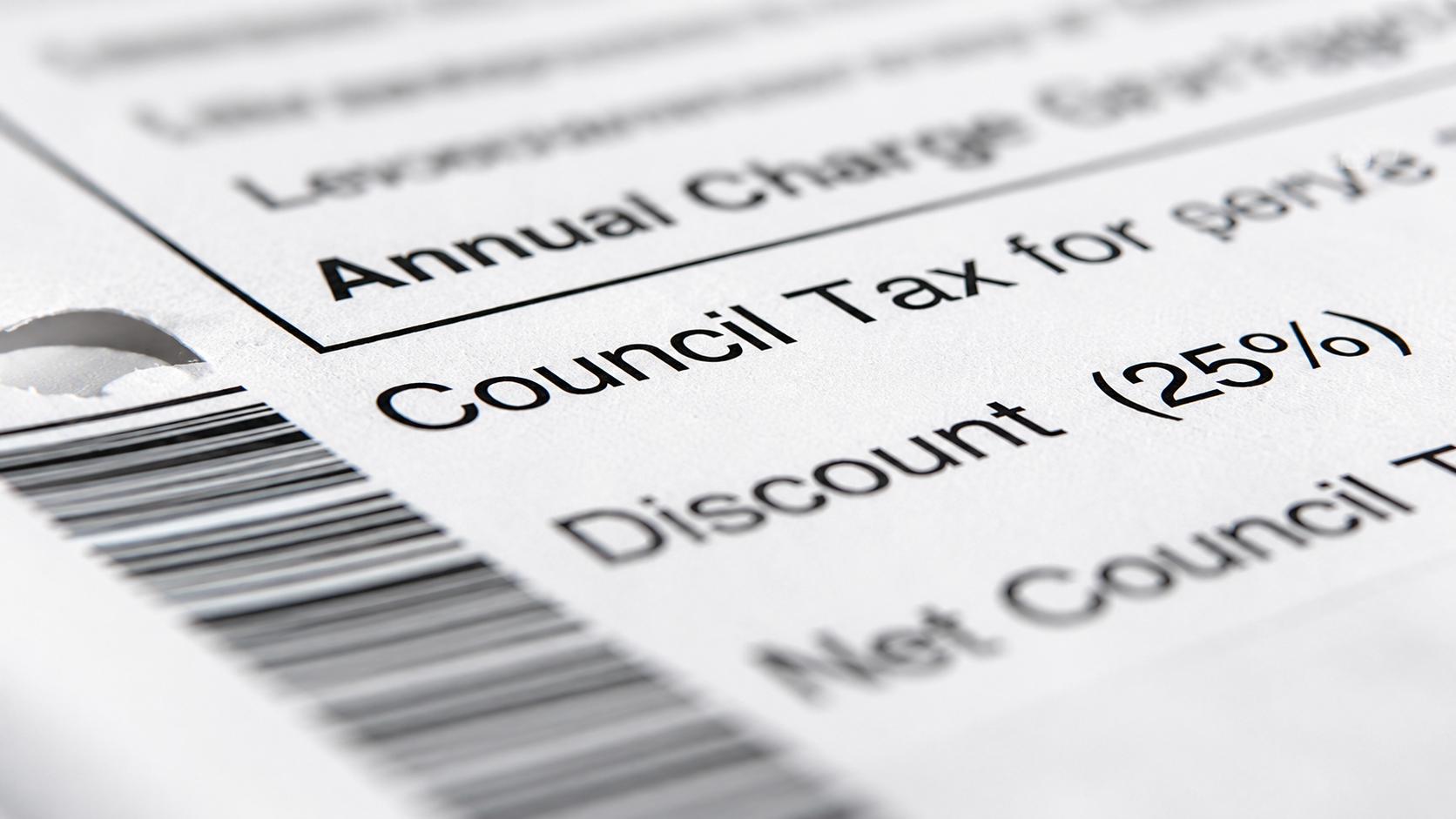
Various discounts and exemptions remain available for eligible Newcastle households, including a twenty-five percent single person discount for anyone living alone, full exemptions for certain full-time students, and reductions available through the council's local Council Tax Support scheme for residents on lower incomes. Anyone believing their household may genuinely qualify for a discount should contact Newcastle City Council directly to check their specific eligibility.
Residents who believe their property has been placed in an incorrect council tax band can formally challenge that banding through the Valuation Office Agency, the independent body responsible for setting bands across England, rather than through Newcastle City Council itself, since the council has no direct authority to simply reassign a property's official banding without that separate process being followed correctly.
Additional premiums also apply in certain specific circumstances, with Newcastle City Council, like most English local authorities, entitled to charge a premium of up to one hundred percent on properties left empty and substantially unfurnished for extended periods, and a separate premium on second homes, reflecting a wider national policy push to encourage empty properties back into genuine, active residential use across the city.
Newcastle's overall council tax bill is typically broken down across several distinct precepts on the actual bill itself, with the majority allocated to Newcastle City Council's own core budget, alongside separate, clearly itemised amounts collected specifically on behalf of the Police and Crime Commissioner and the Tyne and Wear Fire and Rescue Authority, meaning residents can see precisely how their overall payment is actually being divided between these different public bodies.
Understanding how council tax bands and precepts actually combine to produce a final bill helps Newcastle residents make genuine sense of exactly what they are paying for each year, and why bills can vary so significantly even between broadly similar properties located in different parts of the city, depending on their specific historic 1991 valuation band.
Residents genuinely struggling to pay can also apply for wider council tax reduction support through Newcastle City Council's dedicated hardship schemes, separate from the standard discounts already outlined above. Checking eligibility for these schemes directly with the council remains genuinely worthwhile for any household currently finding council tax payments difficult to manage.
Have your say.
Do you feel your council tax band is genuinely fair?
Political News
Council Tax in Newcastle: How Bands and Charges Actually Work
Every Newcastle household pays council tax, yet surprisingly few residents understand exactly how their band is set or where the money actually goes once it leaves their bank account.
Advertisement


Comments (0)
You must be logged in to post comments.
Don't have an account? Register here
No comments yet. Be the first to share your thoughts!