
On the rugged Northumberland coast, in a tiny fishing village within sight of the romantic ruins of Dunstanburgh Castle, a centuries-old tradition still fills the air with the scent of wood smoke. Craster kippers, oak-smoked herring cured in the time-honoured way, are celebrated as some of the finest in Britain. Their story is one of heritage, craftsmanship and a small family business that has kept an old craft alive.
A Village Famous for Fish.
Craster is a small, picturesque fishing village on the Northumberland coast, a place of cobbled streets, a stone harbour and breathtaking coastal scenery. For well over a century it has been strongly associated with the curing of herring, and at the height of the local fishing industry the village was home to several smokehouses. The smell of smoking fish drifting through the streets became part of Craster's very identity. Today, the village is internationally known for its kippers, and visitors come from far and wide to sample them, often joining queues that snake down towards the harbour front.
What Is a Kipper.
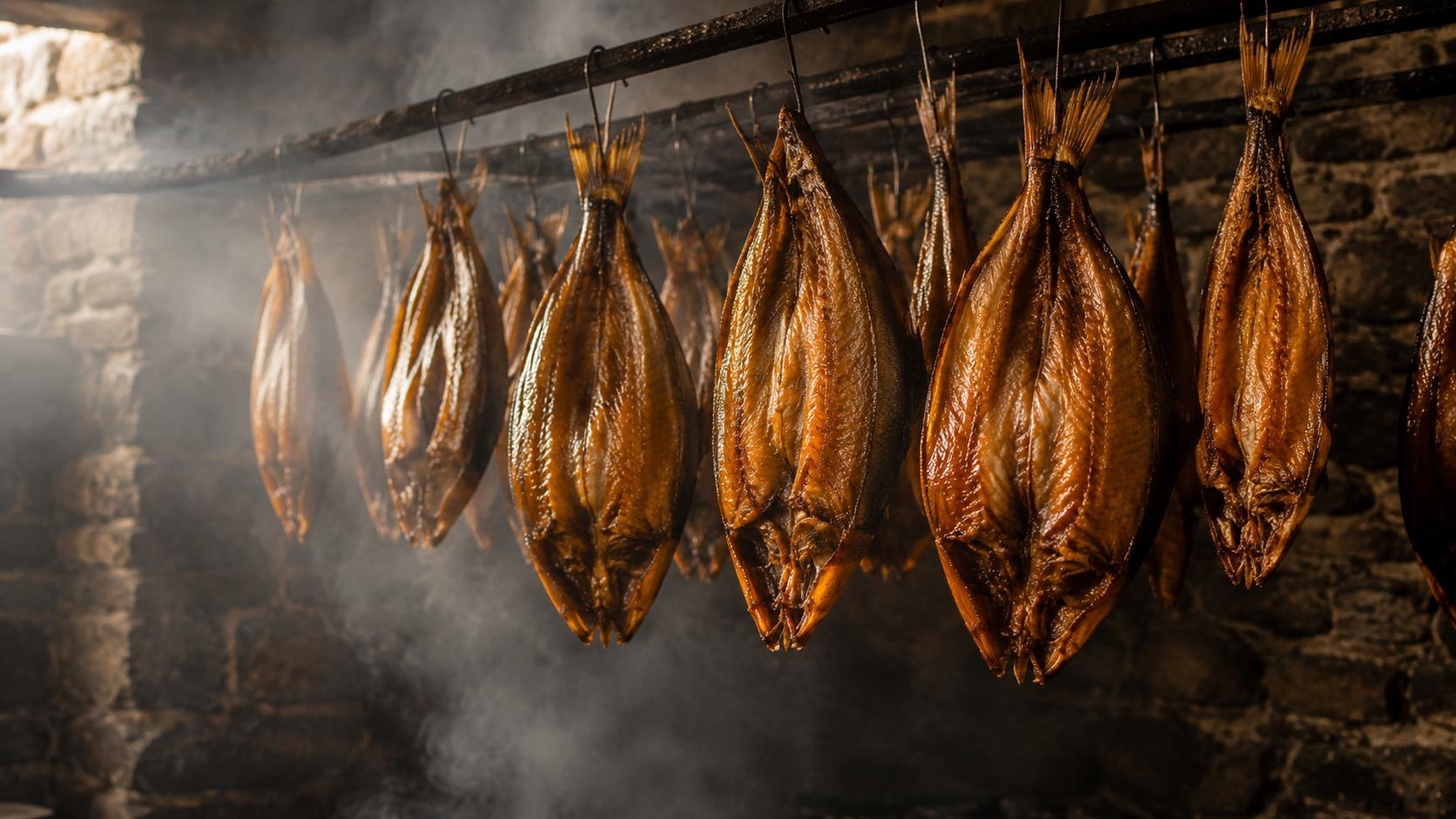
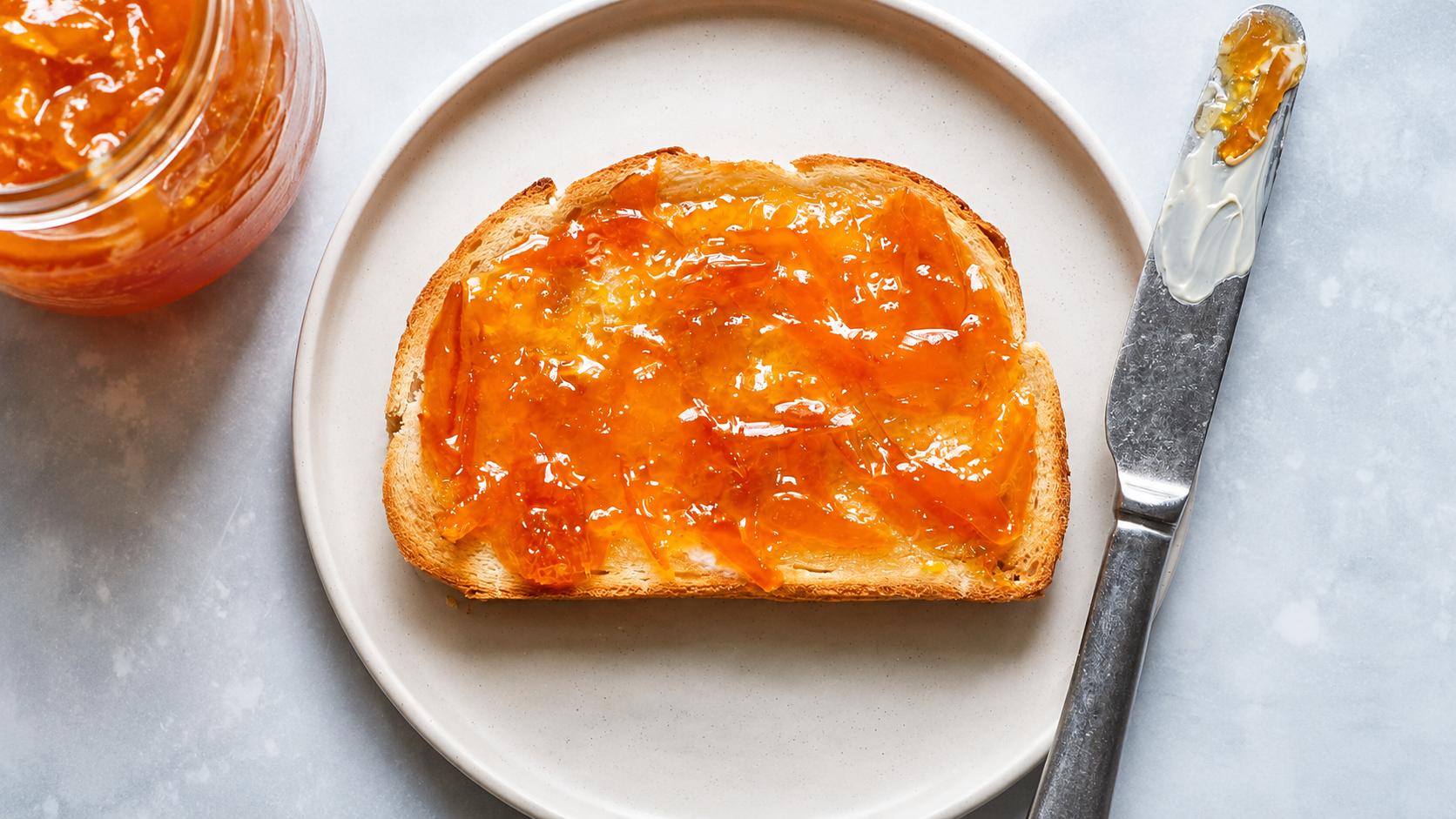
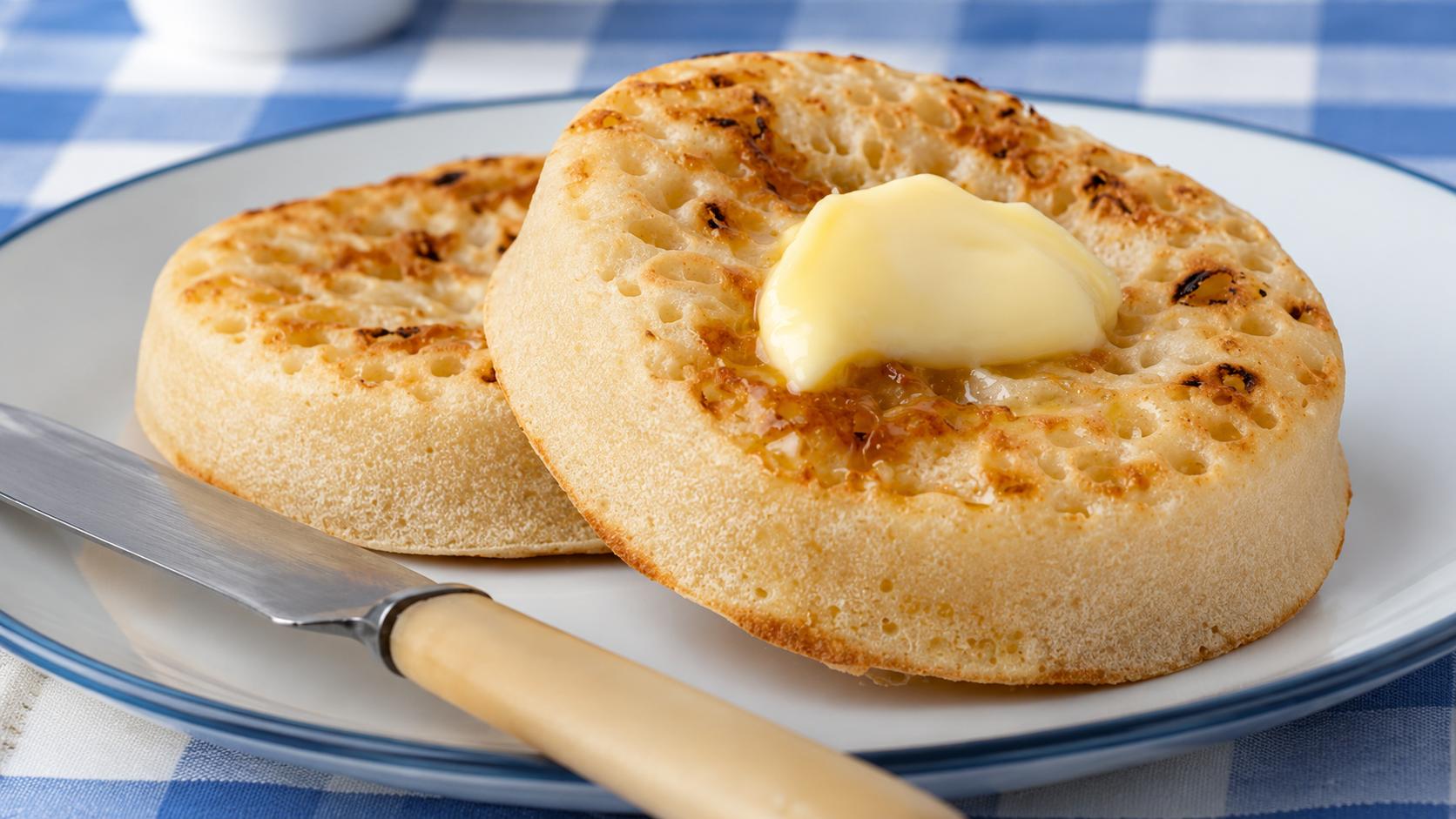
A kipper is a herring that has been split open, salted and then smoked, a method of preserving and flavouring fish that has been part of British cuisine for a very long time. The process transforms the herring, giving it a rich, savoury, smoky flavour and a deep golden-brown colour. Traditionally a breakfast food, kippers are enjoyed grilled, fried or poached, often simply with butter and bread, and they remain a cherished part of British food culture. The Craster kipper, made in this small Northumberland village, has earned a particular reputation as one of the very best.
The Robson Family Smokehouse.
At the heart of Craster's kipper fame is the family firm of L. Robson and Sons, the village's only surviving fish-curing business. The story goes back to James William Robson, who came to Craster in the late nineteenth century and bought the smokehouse, establishing the business in 1906. The smokehouse itself, a modest stone building, dates from the mid-nineteenth century and is now a Grade II listed structure, recognised as a rare survival of the North East's once-thriving herring industry. The business has passed down through four generations of the Robson family, who have resisted the lure of mass production to keep curing their kippers the traditional way.
Smoked the Traditional Way.
The method used to make Craster kippers has changed remarkably little over the decades. The split and salted herring are hung on tenterhooks and placed in the smokehouse, where they are smoked for many hours, typically around fourteen to sixteen, over slow-burning fires of oak sawdust and whitewood shavings on the floor below. Inside the working smokehouse, the only light comes from high vents through which the smoke pours, and outside, grey plumes drift through the village in the time-honoured way. This patient, traditional process is what gives Craster kippers their distinctive depth of flavour and their renowned quality.
A Survival Story.
The history of Craster kippers is also a story of survival against the odds. The North East's herring industry suffered a sharp decline in the early twentieth century, and many smokehouses across the region fell silent and into disuse. A later ban on herring fishing in the area in the 1970s posed further challenges. Through all of this, the Robson family kept their smokehouse going, sourcing their fish and maintaining their craft so that the tradition would not be lost. That determination is a large part of why Craster kippers are so cherished, representing not just a delicious food but a living link to the region's fishing heritage.
A Taste of the Northumberland Coast.
To eat a Craster kipper is to taste the Northumberland coast itself, with all its history and character. Whether enjoyed for breakfast in the village, bought from the smokehouse shop to take home, or sent by post to kipper lovers across the country, they carry the flavour of a genuine and increasingly rare tradition. They have been praised by chefs and food writers and remain a point of real local pride. The smokehouse stands as a working monument to the North East's fishing past, and a reminder of the value of doing things properly.
For anyone exploring the beautiful Northumberland coast, a visit to Craster, with its harbour, its castle views and its world-famous kippers, is an experience to savour. In an age of mass production, the survival of this small, traditional craft is something genuinely worth celebrating.
From Harbour to Breakfast Table.
A visit to Craster offers far more than just the chance to buy a kipper. The village sits on one of the most beautiful stretches of the Northumberland coast, and its harbour is the starting point for the popular coastal walk to the dramatic ruins of Dunstanburgh Castle, which dominate the skyline nearby. Many visitors combine a bracing walk with a meal of freshly smoked fish, perhaps at the seafood restaurant beside the smokehouse, making for a perfect day out. For those who cannot make the journey, Craster kippers can be ordered by post and dispatched across the country, allowing kipper lovers everywhere to enjoy this Northumberland delicacy at their own breakfast tables. This combination of stunning scenery, rich history and outstanding food has helped make Craster a cherished destination. The kippers themselves remain the heart of it all, a genuine taste of the coast that draws people back again and again. In an age of convenience, the survival of such a traditional, place-rooted food is something to be treasured, and tasted.
Over to you.
Drop your thoughts and local knowledge in the comments and share this with a friend, especially if you have made the trip to Craster yourself.
Are you a fan of a proper kipper for breakfast, or has the tradition passed you by?
Food & Drink News
Craster Kippers: Northumberland's Famous Smoked Herring
The story of Craster kippers, the world-famous oak-smoked herring still cured the traditional way in a tiny Northumberland fishing village.
Advertisement


Comments (0)
You must be logged in to post comments.
Don't have an account? Register here
No comments yet. Be the first to share your thoughts!