
Dark tourism has become one of the fastest growing trends in the global travel industry, with millions of travellers now visiting locations connected to death, tragedy, war and disaster.
What was once considered a niche interest has transformed into a booming tourism sector driven by curiosity, education, social media and a growing desire for meaningful travel experiences. From abandoned nuclear cities to concentration camps and terror attack memorials, tourists are increasingly travelling to some of the world’s most disturbing destinations.
Industry experts say dark tourism is no longer limited to history enthusiasts or academic travellers. Younger generations, influencers and documentary fans are now contributing to a sharp increase in visitor numbers at locations linked to human suffering and historical tragedy.
As interest continues to grow, many destinations are expanding tours, museums and visitor experiences to meet rising demand.
What Is Dark Tourism?
Dark tourism refers to travel to places associated with death, disaster, conflict or historical tragedy. The term was first introduced in the 1990s by researchers studying why people were increasingly drawn to emotionally difficult locations.
While the phrase itself is relatively modern, the idea behind dark tourism has existed for centuries. People have long visited battlefields, execution sites, memorials and disaster zones to better understand major historical events.
Today, dark tourism includes a wide range of destinations including abandoned towns, genocide memorials, former prisons, war museums, natural disaster sites and locations linked to true crime.
For many visitors, these trips are not about entertainment. Instead, they are seen as opportunities to learn about history, reflect on human suffering and experience places that have shaped the modern world.
Why Dark Tourism Is Becoming More Popular.
Travel experts believe several major factors are driving the rapid rise of dark tourism around the world.
One of the biggest influences has been the growth of streaming platforms, documentaries and online content focused on historical disasters and true crime. Popular television series and viral social media posts have exposed millions of people to destinations they may never have previously considered visiting.
At the same time, travellers are increasingly searching for experiences that feel authentic and emotionally powerful. Traditional holidays centred around beaches and resorts are now competing with history-focused travel that offers education and personal reflection.
Social media has also played a huge role in the growth of dark tourism. Images of abandoned cities, underground tunnels and historical memorials regularly attract millions of views online, encouraging more people to visit these locations themselves.
Tourism analysts say many younger travellers are now prioritising experiences with cultural or historical significance rather than conventional sightseeing trips.
Chernobyl Became One Of The World’s Biggest Dark Tourism Attractions.
Few places symbolise the rise of dark tourism more than Chernobyl in northern Ukraine.
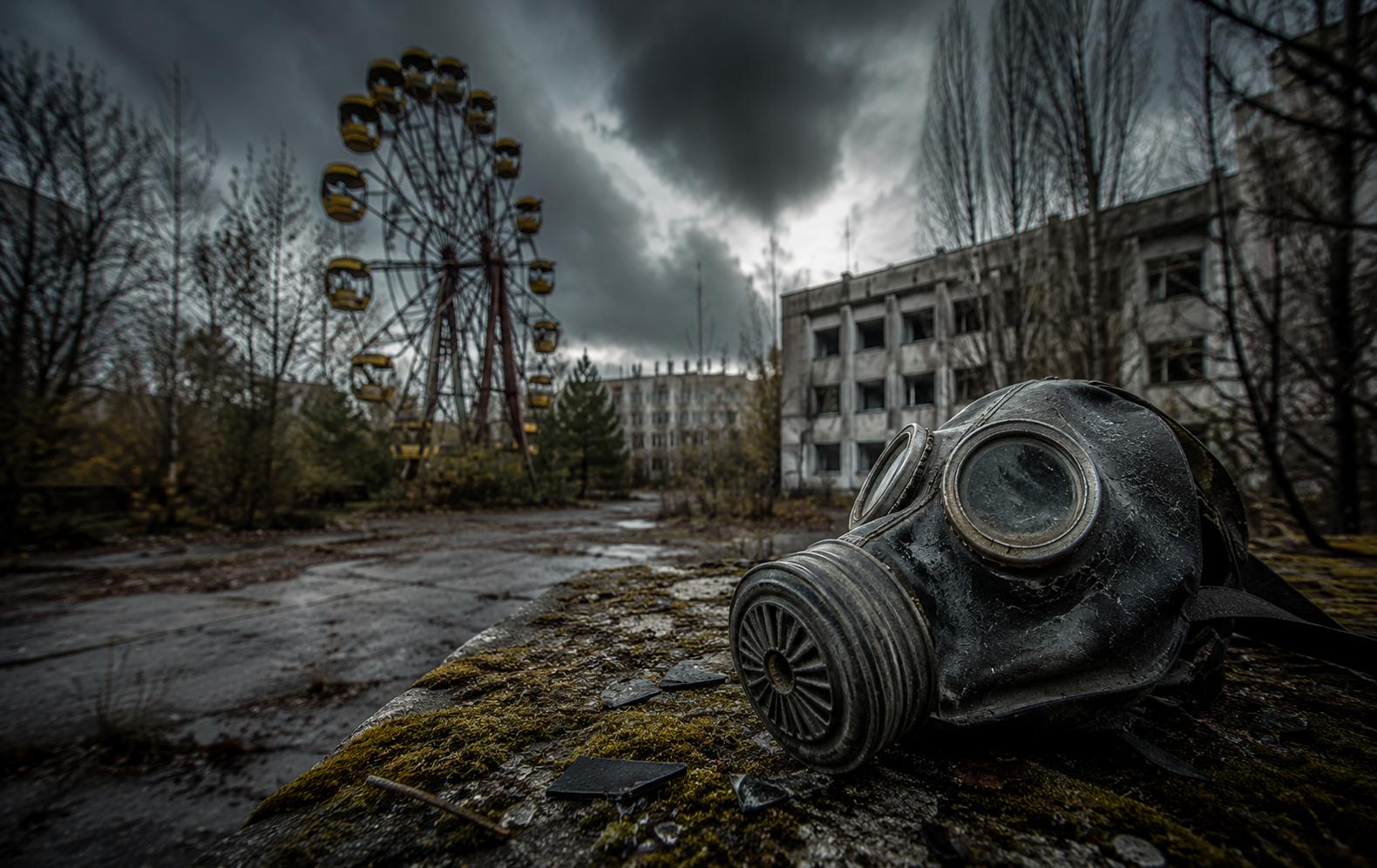
The site of the catastrophic 1986 nuclear disaster became one of the world’s most famous dark tourism destinations after guided tours opened to visitors. Interest exploded globally following the release of the HBO series “Chernobyl”, which introduced millions of viewers to the disaster and its devastating aftermath.
Tourists travelled from across the world to explore the abandoned city of Pripyat, where empty schools, apartment blocks and rusting amusement parks remain frozen in time decades later.
The haunting atmosphere of the exclusion zone became a major attraction for photographers, filmmakers and travellers fascinated by post-apocalyptic environments.
Before the conflict in Ukraine disrupted tourism, visitor numbers had reached record highs, highlighting how dark tourism had evolved into a mainstream global trend.
Auschwitz Remains One Of The Most Emotional Tourist Destinations.
Auschwitz-Birkenau in Poland continues to attract millions of visitors every year and remains one of the most important dark tourism locations in the world.
The former Nazi concentration and extermination camp stands as a memorial to the victims of the Holocaust, where more than one million people were murdered during World War Two.
Visitors travel to Auschwitz to learn about one of history’s darkest periods and to pay respect to those who suffered there. Guided tours take tourists through preserved barracks, watchtowers and exhibitions displaying personal belongings recovered from victims.
For many travellers, the experience is deeply emotional and unforgettable.
The memorial has also become increasingly vocal about respectful behaviour after several incidents involving tourists taking inappropriate social media photographs at the site sparked global criticism.
Despite the controversies surrounding dark tourism, visitor demand at Auschwitz continues to rise.
Ground Zero And Disaster Tourism Continue To Expand.
In New York City, the National September 11 Memorial and Museum has become one of the most visited dark tourism destinations in the United States.
Built where the World Trade Center towers once stood, the memorial attracts millions of tourists wanting to understand the events of September 11 and their lasting global impact.
Visitors can view recovered artefacts, listen to survivor testimonies and explore exhibitions documenting the attacks and their aftermath.
Disaster tourism has also expanded beyond terror attack memorials. Locations linked to tsunamis, earthquakes, mining disasters and industrial accidents are increasingly becoming part of organised travel experiences.
Experts say these sites often attract visitors seeking education and historical understanding rather than thrill-seeking experiences.
The Ethics Of Dark Tourism Continue To Divide Opinion.
As dark tourism grows, so does debate around the ethics of visiting sites connected to mass death and tragedy.
Critics argue that some destinations risk turning human suffering into commercial attractions, particularly when social media influencers use sensitive locations as content backdrops.
Several memorial sites have introduced stricter visitor rules after tourists were criticised for taking smiling selfies or filming entertainment-style videos in places connected to genocide or disaster.
Supporters of dark tourism argue that responsible travel can preserve important historical stories while encouraging education and reflection. They believe these destinations help future generations understand the consequences of war, political extremism and human tragedy.
Many museums and memorial organisations now focus heavily on educational experiences to ensure visitors approach these locations respectfully.
Why Dark Tourism Will Continue To Grow.
Travel industry experts believe dark tourism will continue expanding over the next decade as more travellers seek meaningful experiences connected to real history.
The growing popularity of documentaries, historical dramas and online travel content is expected to further increase awareness of lesser-known dark tourism destinations around the world.
Governments and tourism boards are also investing heavily in preserving historical sites and improving visitor facilities, recognising the growing economic and educational importance of this sector.
For many travellers, visiting these locations is about more than curiosity. It is about understanding humanity’s darkest moments and reflecting on the events that shaped the modern world.
Would you visit one of the world’s most disturbing travel destinations to learn more about history and tragedy?
Travel News
Dark Tourism - The Rise Of The World’s Most Disturbing Travel Destinations
Advertisement


Comments (0)
You must be logged in to post comments.
Don't have an account? Register here
No comments yet. Be the first to share your thoughts!