
Health experts are urging people across Newcastle upon Tyne and the wider North East to rethink their daily eating habits as concerns grow over low fibre intake and rising diet-related health problems.
While traditional northern comfort foods remain hugely popular across Tyneside, nutritionists say many diets in the region still rely too heavily on processed carbohydrates, fried foods and convenience meals while lacking enough fibre-rich ingredients that support digestion, heart health and healthy weight management.
According to healthcare professionals, most UK adults should aim for around 30 grams of fibre per day. However, the average person in Britain currently consumes only around 18g to 20g daily, meaning millions are falling significantly short of recommended levels.
Government figures suggest around 96% of adults and older children in the UK fail to meet official fibre targets, something experts say is contributing to increasing rates of obesity, bowel problems, type 2 diabetes and heart disease.
Nutritionists believe the issue may be particularly noticeable in regions such as Newcastle and the wider North East, where traditional diets have historically focused on white bread, processed meats, fried foods and large carbohydrate-heavy meals.
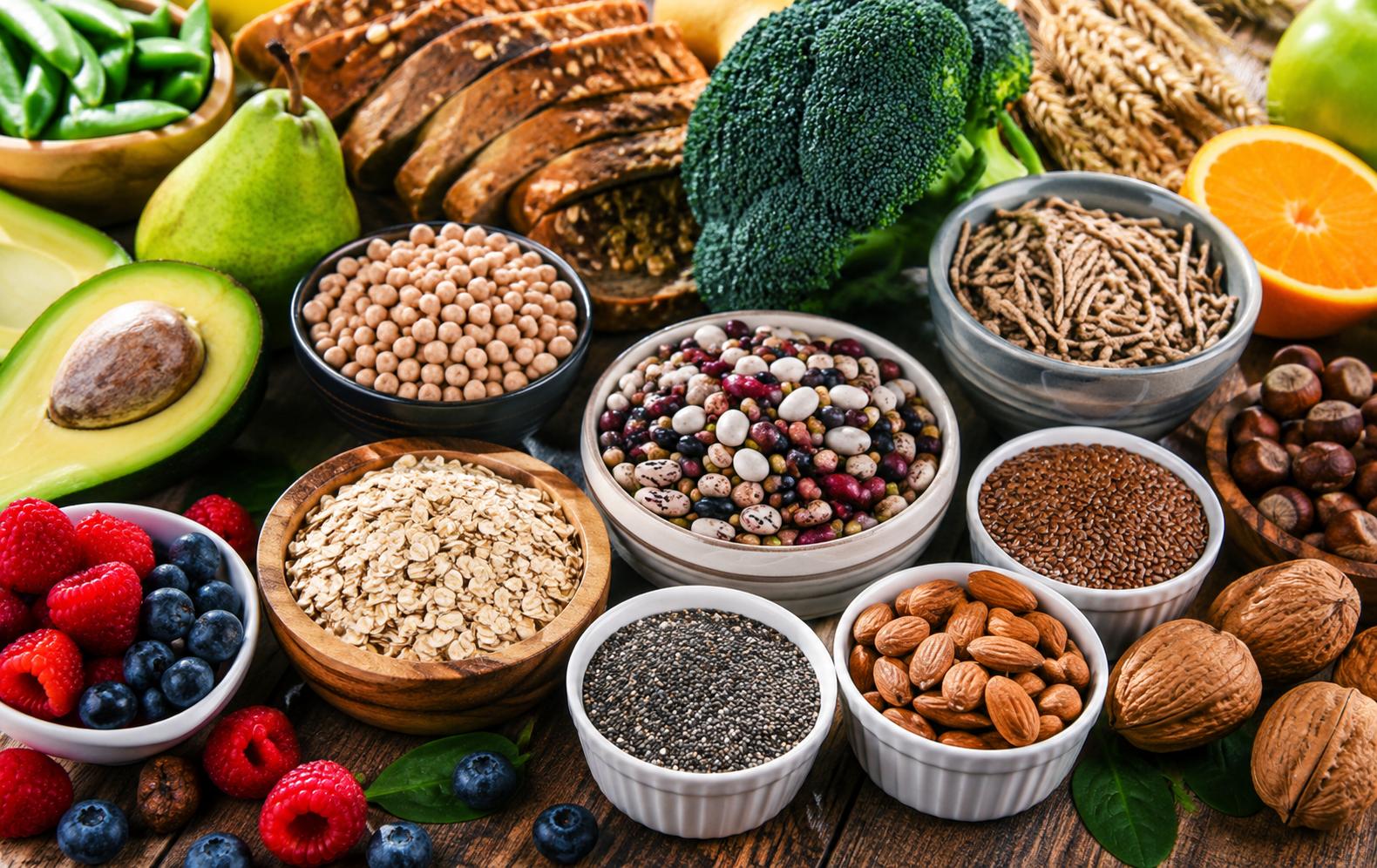
The good news is that improving fibre intake does not require expensive superfoods or extreme dieting. Many of the best high fibre foods are affordable staples already available in supermarkets, local markets and kitchen cupboards across the country.
From porridge oats and wholemeal bread to beans, berries and vegetables, specialists say relatively small dietary changes could make a major difference to long-term health outcomes.
Newcastle’s traditional diet may need modern changes.
The North East has a proud food culture built around hearty meals originally designed for physically demanding lifestyles. Classics such as pies, chips, white bread sandwiches and fried breakfasts remain hugely popular across Newcastle and surrounding areas.
However, nutrition experts say modern lifestyles are very different from previous generations, with many people now working desk-based jobs or spending longer periods inactive.
As physical activity levels decline, healthcare professionals argue that diets also need to adapt to support healthier digestion, lower cholesterol and improved cardiovascular health.
Public health specialists say fibre is one of the simplest nutritional improvements people can make without completely abandoning traditional favourite meals.
Simple swaps such as replacing white bread with wholemeal alternatives or adding vegetables and beans to stews can increase fibre intake significantly while still keeping familiar northern comfort foods on the menu.
Experts say healthier eating does not need to mean giving up classic Newcastle dishes entirely. Instead, they believe the key lies in balancing traditional meals with more fibre-rich ingredients.
Why fibre matters for overall health.
Fibre is a type of carbohydrate naturally found in plant foods that the body cannot fully digest. Unlike sugars or starches, fibre moves through the digestive system relatively intact and helps support several important bodily functions.
There are two main types of fibre. Soluble fibre dissolves in water and may help lower cholesterol and regulate blood sugar levels. Insoluble fibre adds bulk to stool and supports regular digestion.
Doctors say diets rich in fibre have been linked to lower risks of heart disease, bowel cancer, obesity and type 2 diabetes.
Gut health specialists also increasingly believe fibre plays a major role in feeding beneficial bacteria inside the digestive system, helping maintain a healthier microbiome.
Despite growing awareness surrounding healthy eating, research suggests many people still do not fully understand how important fibre is. Recent surveys found nearly half of adults did not know the recommended daily fibre target is 30g.
Experts say processed modern diets remain one of the biggest problems because convenience foods often contain very little natural fibre compared with whole foods.
Oats remain one of the North East’s healthiest breakfast choices.
Porridge has long been associated with northern diets and nutritionists say oats remain one of the healthiest high fibre foods available.
Oats contain beta-glucan, a soluble fibre linked to improved heart health and lower cholesterol levels. Experts also say porridge can help people feel fuller for longer, reducing the likelihood of unhealthy snacking later in the day.
In Newcastle, where quick breakfasts often involve sugary cereals or bacon sandwiches grabbed on the go, healthcare professionals say returning to simple oat-based breakfasts could improve overall nutrition dramatically.
Porridge can also be adapted easily with berries, bananas, nuts or seeds for additional fibre and nutrients.
Nutritionists recommend avoiding heavily sweetened instant oat sachets where possible because added sugars can reduce some health benefits.
Wholemeal bread is one of the easiest dietary swaps.
Bread remains a huge part of many northern diets, particularly at breakfast and lunchtime. However, experts say switching from white bread to wholemeal or seeded alternatives can significantly improve fibre intake.
Wholegrain bread retains more natural fibre because the outer layers of the grain remain intact during production.
Nutritionists say many people underestimate how much fibre disappears when refined carbohydrates replace whole grains in everyday meals.
Wholemeal toast, rye bread and seeded loaves can all support healthier digestion while helping maintain steadier energy levels throughout the day.
For Newcastle households where sandwiches remain a daily staple, experts believe this simple change alone could make a noticeable difference over time.
Beans and lentils provide cheap and effective fibre.
With food costs still placing pressure on family budgets, beans and lentils are increasingly being recommended as affordable ways to improve diet quality.
Kidney beans, lentils, chickpeas and butter beans contain both fibre and plant-based protein, helping people feel fuller after meals while supporting digestive health.
Nutritionists say beans are particularly useful in soups, curries, casseroles and stews, dishes already familiar to many North East households.
Experts also recommend replacing some processed meats with legumes occasionally to support heart health and reduce saturated fat intake.
Canned beans remain one of the cheapest fibre-rich supermarket foods available, making them practical for families wanting healthier diets without sharply increasing shopping bills.
Vegetables remain one of the biggest missed opportunities.
Despite constant public health campaigns, many adults still fail to eat enough vegetables every day.
Experts say this remains a major issue in parts of the North East where convenience foods and takeaway meals are common.
Broccoli, peas, carrots, sweet potatoes and Brussels sprouts are all excellent sources of fibre while also providing vitamins and minerals important for overall health.
Dietitians say roasted vegetables, homemade soups and slow-cooked stews can make vegetables more appealing for people who dislike plain boiled greens.
Healthcare professionals stress that variety matters because different vegetables provide different nutrients and fibre types.
Fruit offers a natural fibre boost.
Fruit remains one of the easiest ways to increase fibre intake naturally throughout the day.
Berries such as raspberries, blackberries and blueberries contain particularly high fibre levels alongside antioxidants and vitamins.
Raspberries are especially praised by nutritionists because they provide substantial fibre despite being relatively low in calories.
Apples also remain one of Britain’s most accessible healthy snacks. Experts say keeping the skin on helps preserve much of the fruit’s fibre content.
Healthcare professionals often recommend replacing processed sugary snacks with fruit to support digestion and more balanced energy levels.
Frozen berries can also provide a more affordable option for families wanting healthier diets without overspending on fresh produce.
Nuts and seeds are becoming increasingly popular.
Nuts and seeds have become far more common in British diets over the past decade, with nutritionists praising their combination of fibre, healthy fats and protein.
Almonds, chia seeds, flaxseeds and sunflower seeds are all considered excellent additions to balanced diets.
Adding seeds to porridge, yoghurt or salads can increase fibre intake quickly without requiring major dietary changes.
Experts warn, however, that nuts remain calorie-dense foods and should still be eaten in moderation despite their health benefits.
Many independent cafes across Newcastle have also embraced healthier menu options in recent years, with granola bowls, overnight oats and fruit-based breakfasts becoming increasingly common.
Fibre may help support heart health and weight management.
Doctors say one of fibre’s most important benefits involves cardiovascular health.
Soluble fibre found in foods such as oats, beans and fruits may help lower LDL cholesterol, often referred to as bad cholesterol.
With heart disease rates remaining higher than average in some parts of the North East, healthcare experts believe improving diet quality could play an important role in reducing future health risks.
Nutritionists also say fibre can support weight management because fibre-rich foods tend to keep people feeling fuller for longer.
This may help reduce overeating and lower reliance on ultra-processed snacks high in sugar, salt and saturated fat.
Healthcare professionals stress that fibre works best alongside broader healthy lifestyle habits including exercise, hydration and balanced nutrition.
Experts warn against increasing fibre too quickly.
Although fibre offers many health benefits, specialists warn people should not suddenly double their intake overnight.
Rapid increases can sometimes cause bloating, stomach cramps or digestive discomfort while the body adjusts.
Healthcare professionals recommend gradually increasing fibre consumption while also drinking plenty of water throughout the day.
Hydration is especially important because fibre absorbs water inside the digestive system.
Experts also encourage people with digestive disorders or bowel conditions to seek medical advice before making major dietary changes.
Small changes could improve long-term health across Newcastle.
Nutritionists stress that healthier eating does not require strict dieting or giving up every favourite comfort food.
Instead, experts say consistent small changes often produce the most sustainable results over time.
Switching white bread for wholemeal, adding vegetables to evening meals, eating porridge for breakfast and replacing processed snacks with fruit are all simple ways people can gradually improve fibre intake.
As awareness surrounding gut health continues growing, fibre is increasingly being recognised as one of the most important yet overlooked parts of everyday nutrition.
For many households across Newcastle and the wider North East, experts believe healthier eating may simply come down to modernising traditional diets slightly rather than abandoning northern food culture altogether.
Do you think traditional northern diets need to become healthier, or can classic comfort foods still fit into a balanced lifestyle?
Health News
Diet Warning as Experts Urge More High Fibre Foods
Advertisement





Comments (0)
You must be logged in to post comments.
Don't have an account? Register here
No comments yet. Be the first to share your thoughts!