
The North East's sporting reputation rests heavily on football, running and boxing. Rather less is said about disability sport, despite a record that includes multiple Paralympic gold medals.
The region sustains clubs across a range of sports, hosts major para-athletics competition and has produced athletes who have competed at the highest level.
Here is an overview of the landscape and the barriers that persist.
The region has produced Paralympic champions.
Stephen Miller, from Cramlington, won gold in the club throw at three consecutive Paralympic Games from 1996, and competed at five Games in total. He remains among the most decorated athletes the region has produced in any sport.
Josef Craig, from Jarrow, won swimming gold at the London 2012 Paralympics as a teenager, setting a world record in the process.
Others have represented Great Britain across athletics, swimming, cycling and wheelchair sports, and the region has a consistent record of producing talent that receives considerably less attention than its able-bodied equivalent.
Gateshead has been central to para-athletics.
Gateshead International Stadium has a long history of hosting athletics, including para-athletics competition, and its facilities have supported training for athletes across the region.
The venue's importance to North East athletics generally extends to disability sport, providing an accessible track and field environment that many areas lack.
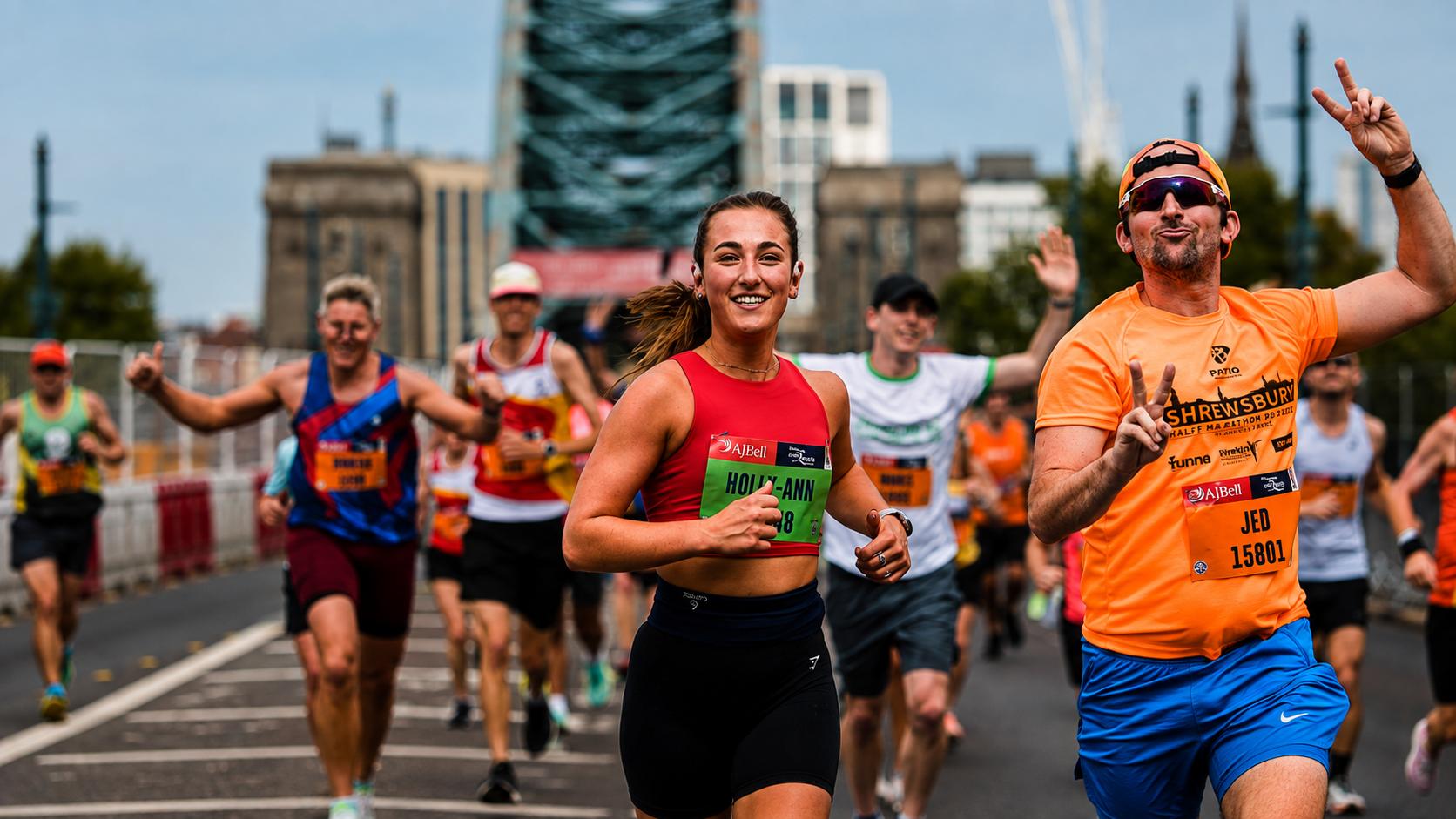
The Great North Run includes a wheelchair race that takes place ahead of the main event, and it has attracted elite international competitors alongside the mass participation field.
Wheelchair sports are well established.
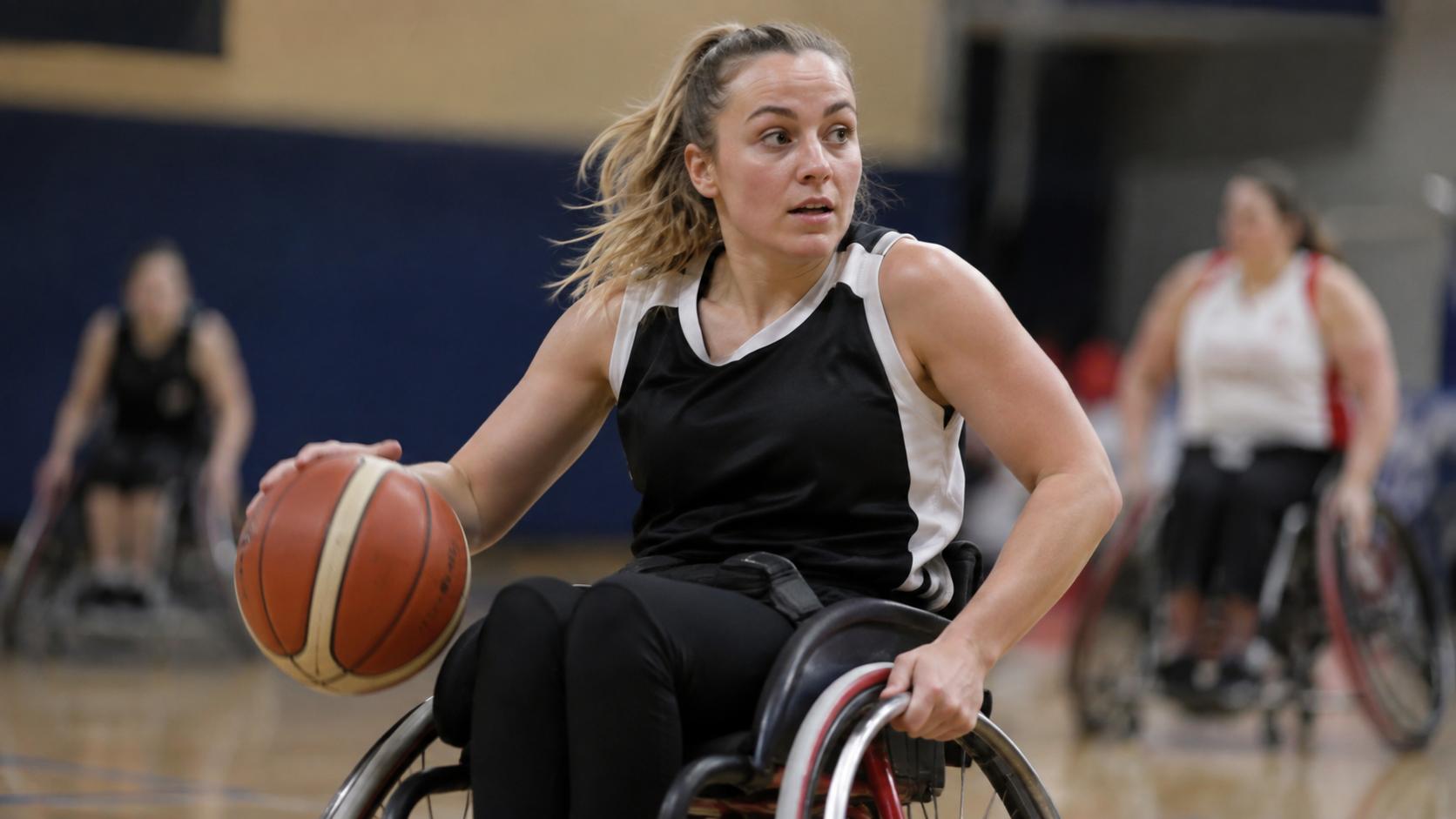
Wheelchair basketball has a presence across the region, with clubs offering sessions for players of varying experience and impairment, and the sport is among the most visible disability sports nationally.
Wheelchair rugby, powerchair football and wheelchair tennis all operate in the North East, though club numbers are smaller and travel is frequently required.
Most clubs welcome non-disabled players in training and social sessions, which is a feature of many disability sports and helps sustain numbers.
Boccia reaches those other sports cannot.
Boccia is a target ball sport designed for athletes with severe physical impairments, played seated and requiring precision rather than power.
It is a Paralympic sport with no able-bodied equivalent, and it provides competitive opportunity for people who cannot access most other sports.
Clubs and sessions operate across the region, frequently through leisure trusts, specialist schools and disability organisations, and the sport has a strong participation base relative to its public profile.
Swimming and cycling have strong pathways.
Para-swimming has produced some of the region's most successful athletes, and clubs across Tyneside and Wearside run sessions with coaches trained in classification and technique.
Para-cycling includes handcycling, tandem riding for visually impaired athletes and adapted bikes, with several inclusive cycling schemes operating in the region providing access to adapted equipment.
Those schemes matter enormously, since adapted equipment is expensive and individual ownership is out of reach for a great many people.
Facilities remain the central problem.
The most consistent barrier reported by disabled people is not attitude but access.
Accessible changing facilities, particularly Changing Places toilets with hoists and adult changing benches, remain limited. Without them, participation is simply impossible for some people regardless of what else is provided.
Transport is a further obstacle. Accessible public transport to sports venues, particularly outside urban centres, is patchy, and specialist transport is expensive.
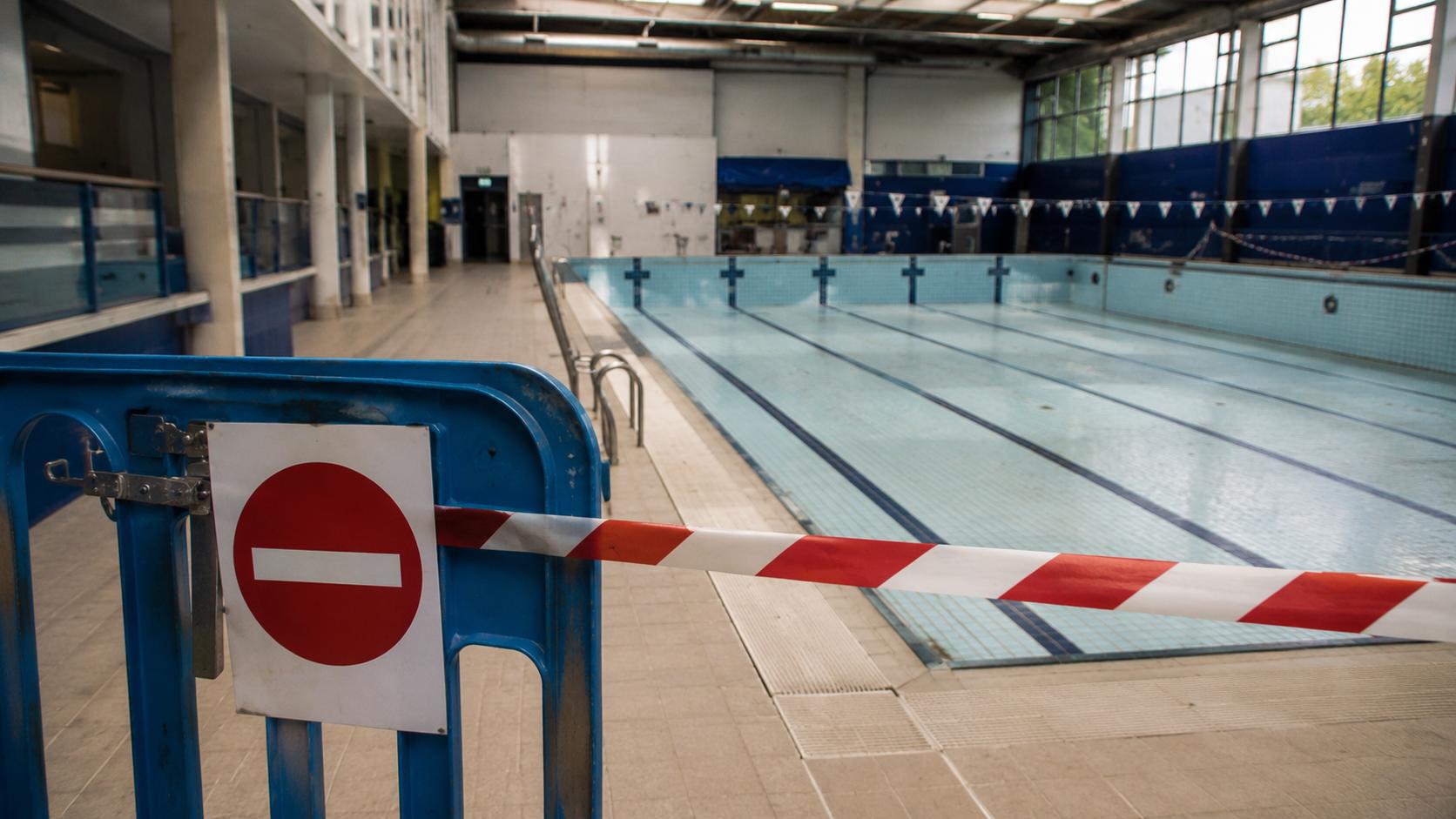
Leisure centre closures and reduced opening hours have compounded this, since disability sessions are frequently among the first casualties when timetables are cut.
Cost is a genuine barrier.
Adapted equipment can cost several thousand pounds, sports wheelchairs among the most expensive items.
Disabled people are more likely to be on lower incomes, which compounds the problem. Grants, club-owned equipment pools and loan schemes exist but demand exceeds supply.
Several regional charities and clubs operate equipment libraries specifically to address this, and they are frequently the difference between someone participating and not.
Support organisations can help.
Activity Alliance works nationally to improve access to sport for disabled people and publishes research and guidance. Parasport provides a searchable directory of clubs and sports by location and impairment.
Regional active partnerships coordinate provision across the North East and can advise on local sessions.
Most clubs are contactable directly and are generally keen to hear from anyone interested, including people uncertain whether a particular sport would suit them.
Schools are where habits begin.
Access to PE and school sport for disabled children remains inconsistent, and inclusion frequently depends on individual teachers rather than on provision built into the curriculum.
Specialist schools across the region run strong sporting programmes, and several regional athletes first encountered their sport through them.
Mainstream provision is more variable, and disabled pupils are still too often given a supporting role rather than a playing one, which shapes attitudes to sport well into adulthood.
The case for investment is straightforward.
Disabled people are consistently less active than the general population, and the gap has proved stubborn.
The barriers are practical and largely solvable: accessible facilities, affordable equipment, reliable transport and sessions at times people can attend.
The region's record in producing Paralympic champions suggests the talent and appetite exist. What limits participation is rarely the people involved.
Share your thoughts.
What would make sport more accessible in your part of the North East?
Sports News
Disability Sport in the North East
The region has produced Paralympic champions and sustains a network of clubs, though access to facilities remains the persistent obstacle.
Advertisement


Comments (0)
You must be logged in to post comments.
Don't have an account? Register here
No comments yet. Be the first to share your thoughts!