
For generations, the local leisure centre and swimming pool have been where ordinary people learned to swim, kept fit and met their neighbours. Today, many of those facilities are under threat, caught between rising costs and squeezed budgets, and their struggles have consequences for the health and wellbeing of communities across the North East.
A Sector Under Strain.
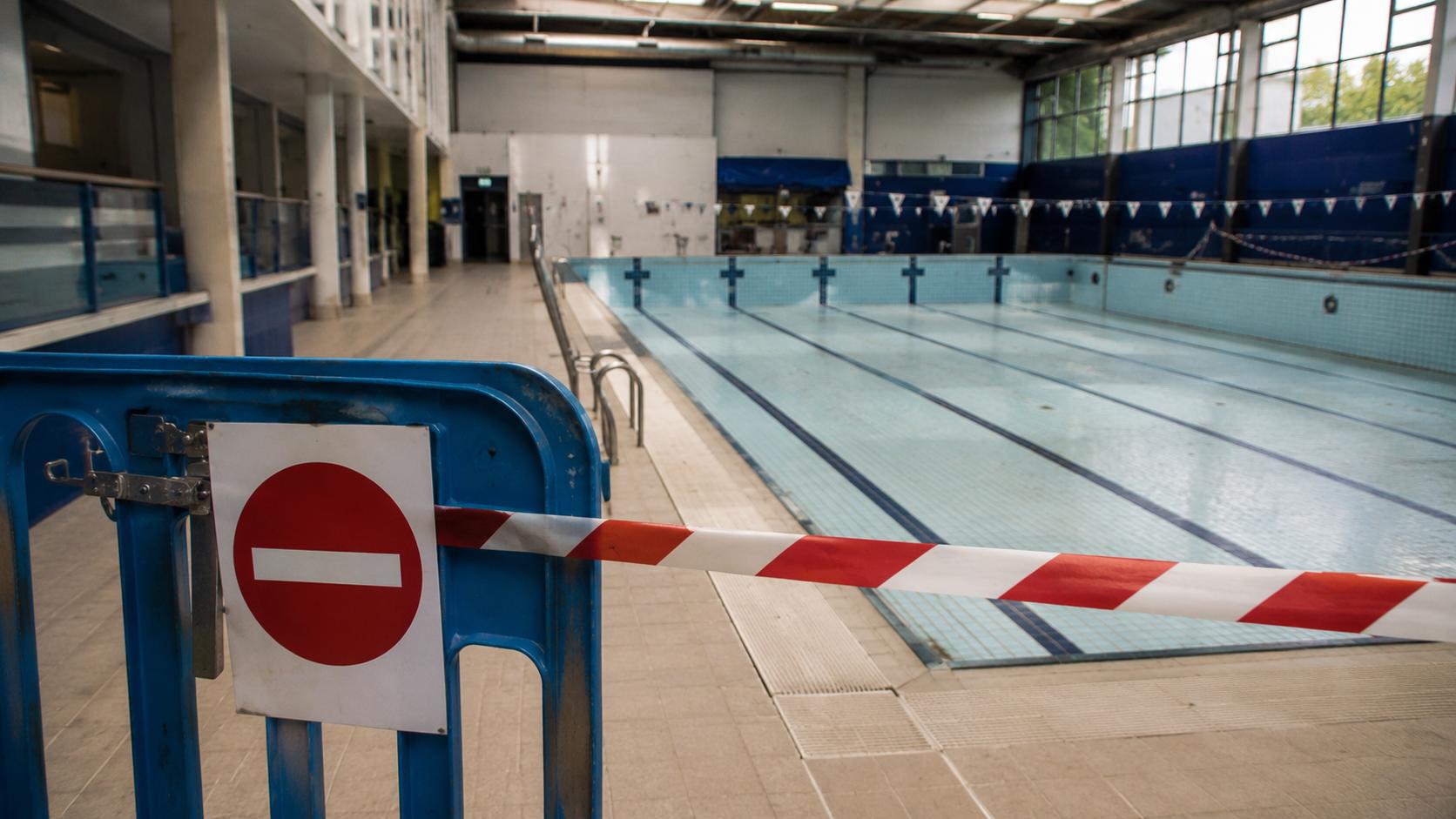
Public leisure centres and swimming pools have been squeezed hard in recent years by a combination of soaring energy costs, ageing buildings and the rising cost of everything from chemicals to staff. Pools, which are enormously expensive to heat and run, have been especially vulnerable.
Analysis of the sector has found that a striking proportion of the publicly accessible swimming water lost over the past decade and a half has disappeared in just the last few years, pointing to an accelerating crisis. Hundreds of facilities across the country have closed or restricted their services, and many more have been identified as at risk, leaving communities without spaces that are central to local life.
The Funding Battle.
Government has stepped in at various points, with funds made available to help at-risk pools and leisure centres cope with energy costs and to invest in making them more efficient. These interventions have provided welcome relief, but demand has consistently outstripped the money available, with only a fraction of applicants to some support schemes proving successful, and private operators and those without pools often excluded.
Sector bodies have repeatedly urged the government to put leisure facilities at the heart of its plans for public health and to provide a sustained strategy for investment, arguing that the cost of letting facilities close will ultimately fall on an overstretched health service. The immediate financial pressures, however, remain.
The Cost to Councils.
Much of the burden falls on local councils, which own and fund many leisure centres and pools but face severe financial pressures of their own. Leisure services are not a statutory duty in the way that social care or waste collection are, which can make them an early target when budgets must be cut.
The result is an unenviable choice for councils between maintaining facilities that lose money but deliver enormous public value, and closing or reducing them to balance the books. For the North East, where many councils face acute financial challenges, this tension is keenly felt, and the future of individual facilities can hang on difficult local decisions.
The Participation Picture.
The stakes are high because these facilities underpin physical activity for millions of people. Leisure centres provide affordable opportunities to be active for huge numbers of users each year, and they are especially important in more deprived areas, where people are more likely to rely on a local centre than on private gyms or informal options.
There are warning signs in the participation data, with the rising cost of living reported to be having a negative impact on many people's ability to take part in sport and exercise. When a local pool or leisure centre closes, the people most affected are often those with the fewest alternatives, deepening the inequalities in health and activity that already exist.
The Swimming Concern.
The threat to swimming pools carries a particular concern that goes beyond fitness. Swimming is not only a healthy activity but a vital life skill, and official surveys have found that a significant and rising proportion of children are leaving primary school unable to swim a basic distance competently.
Children overwhelmingly say they enjoy swimming and want to do more of it, yet the closure of pools and the pressures on school swimming provision risk leaving more young people unable to swim, with implications for water safety as well as health. The loss of accessible pools is, in this sense, a loss of something genuinely important to communities and to the safety of the next generation.
More Than Buildings.
It is easy to think of leisure centres and pools as mere buildings, but they are far more than that. They are community hubs where people of all ages and backgrounds come together, where older people stay active and connected, where parents take young children, and where those managing long-term health conditions can exercise in a supportive setting.
Leisure operators increasingly provide services that take pressure off the health service, helping people manage conditions and recover from illness. The value these facilities deliver in health, wellbeing and social connection is substantial, even if it does not always show up neatly on a council balance sheet, which is precisely why their loss is felt so deeply.
A Choice to Make.
The pressure on the North East's pools and leisure centres reflects a national challenge with sharp local consequences. Rising costs, ageing facilities and stretched budgets have put a much-loved network of community amenities at risk, with real implications for the health, activity and cohesion of the region.
Whether that network survives and renews itself, or continues to shrink, will depend on choices made by national government and local councils about how much these facilities are valued and how their costs are met. For communities that rely on their local pool or leisure centre, the outcome of those choices matters a great deal.
Prevention Versus Cure.
Underlying the debate about the future of leisure centres and pools is a question that reaches far beyond sport, touching on how a society chooses to spend its money and where it places its priorities. There is a powerful argument, well supported by evidence, that money spent keeping people active and healthy is money saved many times over in treating the illnesses that inactivity helps to cause.
Physical activity reduces the risk of a wide range of serious conditions, supports mental health, and helps people manage existing illnesses and recover from them, all of which lightens the load on an overstretched health service. Viewed in this light, a leisure centre or swimming pool is not a discretionary luxury but a piece of preventative health infrastructure, every bit as relevant to the nation's wellbeing as a clinic or a surgery, even if it is rarely funded or valued as such.
The difficulty is that the costs of closing a facility and the benefits of keeping it open fall in different places and at different times: the saving from a closure appears immediately on a hard-pressed council's budget, while the cost, in worse health and greater pressure on the health service, appears later and elsewhere, making it easy to overlook. Breaking out of that short-term logic requires a deliberate decision to treat investment in physical activity as the preventative health spending it really is, and to fund and value leisure facilities accordingly.
For a region with significant health challenges, the case for doing so is especially strong. Whether that argument prevails against the immediate pressures on budgets is one of the defining questions for the future of the North East's pools and leisure centres, and for the health of the communities that depend on them.
We want to hear from you.
Rising costs and stretched budgets are putting the North East's pools and leisure centres at risk, with real consequences for community health.
How important is your local pool or leisure centre to you and your family?
Sports News
Closing the Doors: The Pressure on Pools and Leisure Centres
Rising costs and squeezed budgets are putting pools and leisure centres at risk across the country, with real consequences for community health. We take a look.
Advertisement





Comments (0)
You must be logged in to post comments.
Don't have an account? Register here
No comments yet. Be the first to share your thoughts!