
The Eurovision Song Contest is once again preparing to dominate television screens across Europe and beyond as Eurovision 2026 gets underway with massive audiences, dramatic performances and intense competition expected throughout the week.
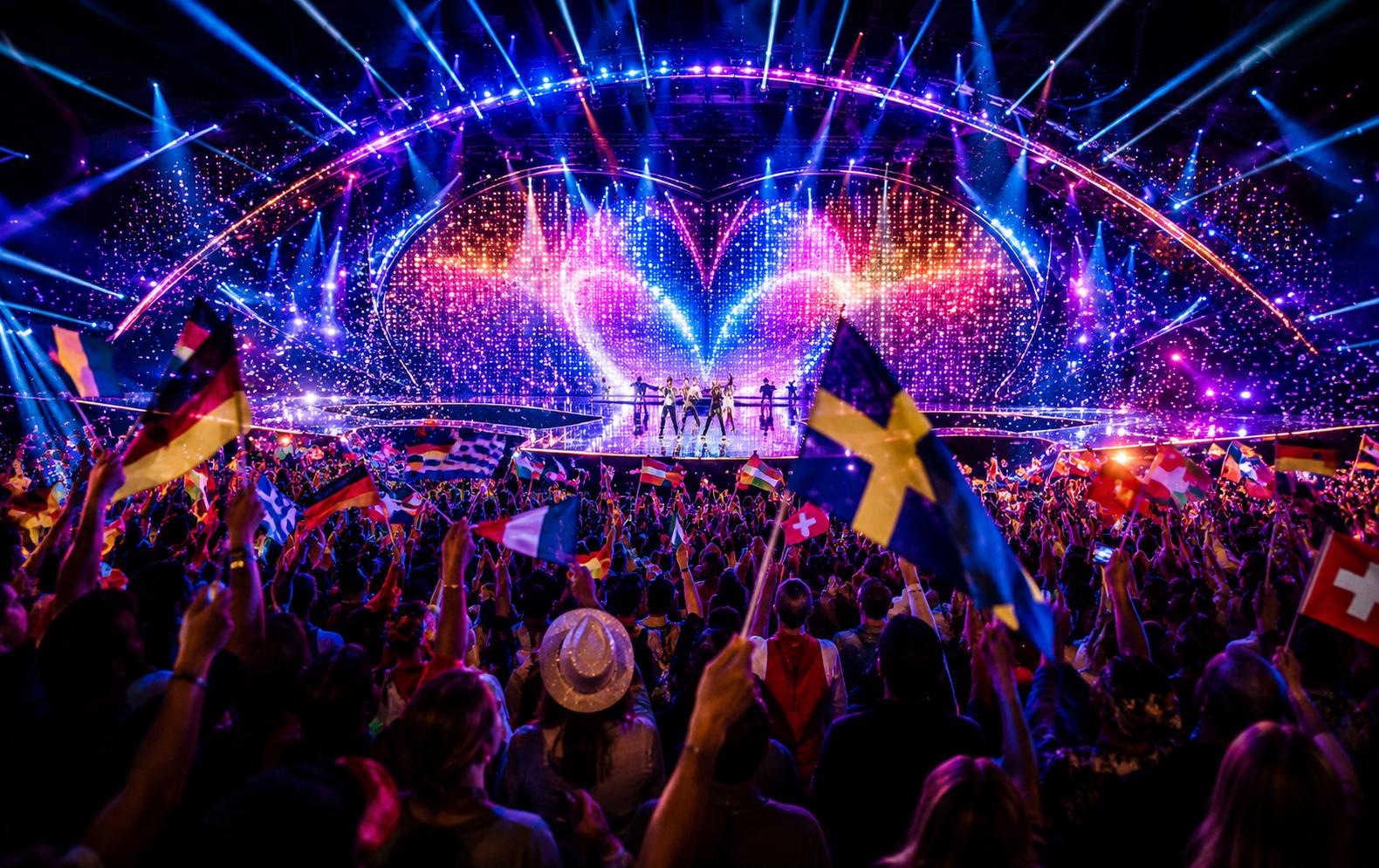
Often described as one of the world’s biggest live music events, Eurovision has become far more than just a singing competition. For many viewers, it is now an annual spectacle combining pop music, politics, outrageous staging, national pride and social media chaos all in one unforgettable show.
This year’s contest marks the 70th edition of Eurovision and is being hosted in Vienna, Austria, following Austria’s victory in 2025. Fans from across Europe have already travelled to the city ahead of the semi-finals and grand final, with hotels, bars and fan zones expected to be packed throughout Eurovision week.
While longtime viewers know exactly what to expect from the annual contest, many people tuning in for the first time are still asking the same question every year - what actually is Eurovision?
What Is Eurovision?
The Eurovision Song Contest is an international music competition organised by the European Broadcasting Union, commonly known as the EBU.
Countries from across Europe, along with a handful of non-European nations such as Australia, compete by submitting an original song performed live on television.
Each participating country selects its own artist and song before competing in either the semi-finals or the grand final.
During the live broadcasts, countries award points to their favourite performances, with both professional juries and public viewers helping decide the final winner.
Eurovision first launched in 1956 and has since become one of the world’s longest-running televised music events.
Over the decades, the competition has helped launch international stars including:
ABBA.
Celine Dion.
Måneskin.
Olivia Newton-John.
Conchita Wurst.
Today, Eurovision attracts hundreds of millions of viewers worldwide every year and regularly trends across social media during the live shows.
Where Is Eurovision 2026 Taking Place?
Eurovision 2026 is being held in Vienna, Austria, at the Wiener Stadthalle arena. Austria earned hosting rights after winning the 2025 contest with the song Wasted Love performed by JJ.
Vienna previously hosted Eurovision in both 1967 and 2015, making this the city’s third time staging the competition.
The Wiener Stadthalle is one of Austria’s largest indoor venues and has been transformed with massive stages, LED screens, pyrotechnics and elaborate production setups for the event.
This year’s live shows are taking place on:
Semi-final one - 12 May.
Semi-final two - 14 May.
Grand final - 16 May.
Millions of viewers are expected to watch live across television and streaming platforms worldwide.
Who Is Representing The United Kingdom?
The United Kingdom is being represented this year by musician and YouTube creator Look Mum No Computer with the song Eins, Zwei, Drei.
The act has already generated strong online discussion because of its unusual electronic style and energetic stage setup.
As one of Eurovision’s so-called “Big Five” countries, the UK automatically qualifies for the grand final without needing to compete in the semi-finals.
The Big Five countries are:
United Kingdom.
France.
Germany.
Italy.
Spain.
However, Spain is not participating this year following its withdrawal from the contest.
UK viewers will once again hear commentary from Graham Norton during the BBC broadcast.
Which Countries And Performers Are Taking Part?
A total of 35 countries are participating in Eurovision 2026, with 25 making it through to the grand final.
Some of the most talked-about performers this year include:
Delta Goodrem representing Australia.
Sarah Engels representing Germany.
Monroe representing France.
Felicia representing Sweden.
Sal Da Vinci representing Italy.
Cosmó representing host nation Austria.
Bookmakers and Eurovision fan communities have already begun predicting potential winners, with several Scandinavian and Mediterranean countries attracting strong support online.
Sweden, Finland and Greece have all been widely discussed among Eurovision fans ahead of the final.
As always, however, Eurovision is known for unexpected moments and surprise results that can completely change the leaderboard during live voting.
Eurovision Is About More Than Just Music.
Although Eurovision is technically a song competition, the event has evolved into a huge cultural phenomenon over the years.
Fans often tune in as much for the costumes, staging and unpredictable moments as they do for the songs themselves.
Previous Eurovision performances have included:
Giant metal wolves.
Dancing astronauts.
Flaming pianos.
Performers suspended in the air.
Elaborate pyrotechnic displays.
Social media now plays a massive role in Eurovision culture, with clips from performances frequently going viral during the live broadcasts.
The contest also has a strong LGBTQ+ fanbase and has become widely associated with inclusivity, creativity and celebration across Europe.
For many viewers, Eurovision is less about serious competition and more about enjoying the spectacle and shared experience.
Why Eurovision 2026 Has Already Generated Controversy.
This year’s contest has also attracted controversy following several countries withdrawing from the competition.
Ireland, Spain, Iceland, the Netherlands and Slovenia all confirmed they would not participate in Eurovision 2026 amid ongoing debate surrounding Israel’s inclusion in the contest.
The withdrawals have sparked major discussion online and within the Eurovision fan community, making this one of the most politically debated contests in recent years.
Despite this, organisers insist Eurovision remains focused on music and international unity.
The European Broadcasting Union has defended the decision to proceed with the contest as planned while introducing additional security measures and safeguards around the event.
Why Eurovision Continues To Attract Huge Audiences.
Despite criticism from some viewers every year, Eurovision remains one of the most watched entertainment events on television.
Part of its appeal comes from the unpredictability. No other music competition combines live voting, international rivalries, elaborate staging and such a wide variety of musical styles in the same way.
For many households across the UK, Eurovision has become an annual tradition involving watch parties, scorecards and debates over which performances deserve the famous “douze points”.
The contest also continues introducing audiences to new artists who often go on to achieve major international success after Eurovision exposure.
As Eurovision celebrates its 70th anniversary in Vienna, organisers will be hoping this year’s competition delivers another unforgettable night of live television.
Will the UK finally secure another Eurovision victory or will another surprise act steal the spotlight in Vienna? Share your Eurovision 2026 predictions and favourite songs in the comments below.
Tell us which country you think deserves to win this year’s Eurovision Song Contest and whether you’ll be watching the grand final live this weekend.
Entertainment News
Eurovision 2026 Explained - What The Contest Is, Who Is Performing And Why Millions Will Be Watching This Year.
Advertisement

Comments (0)
You must be logged in to post comments.
Don't have an account? Register here
No comments yet. Be the first to share your thoughts!