
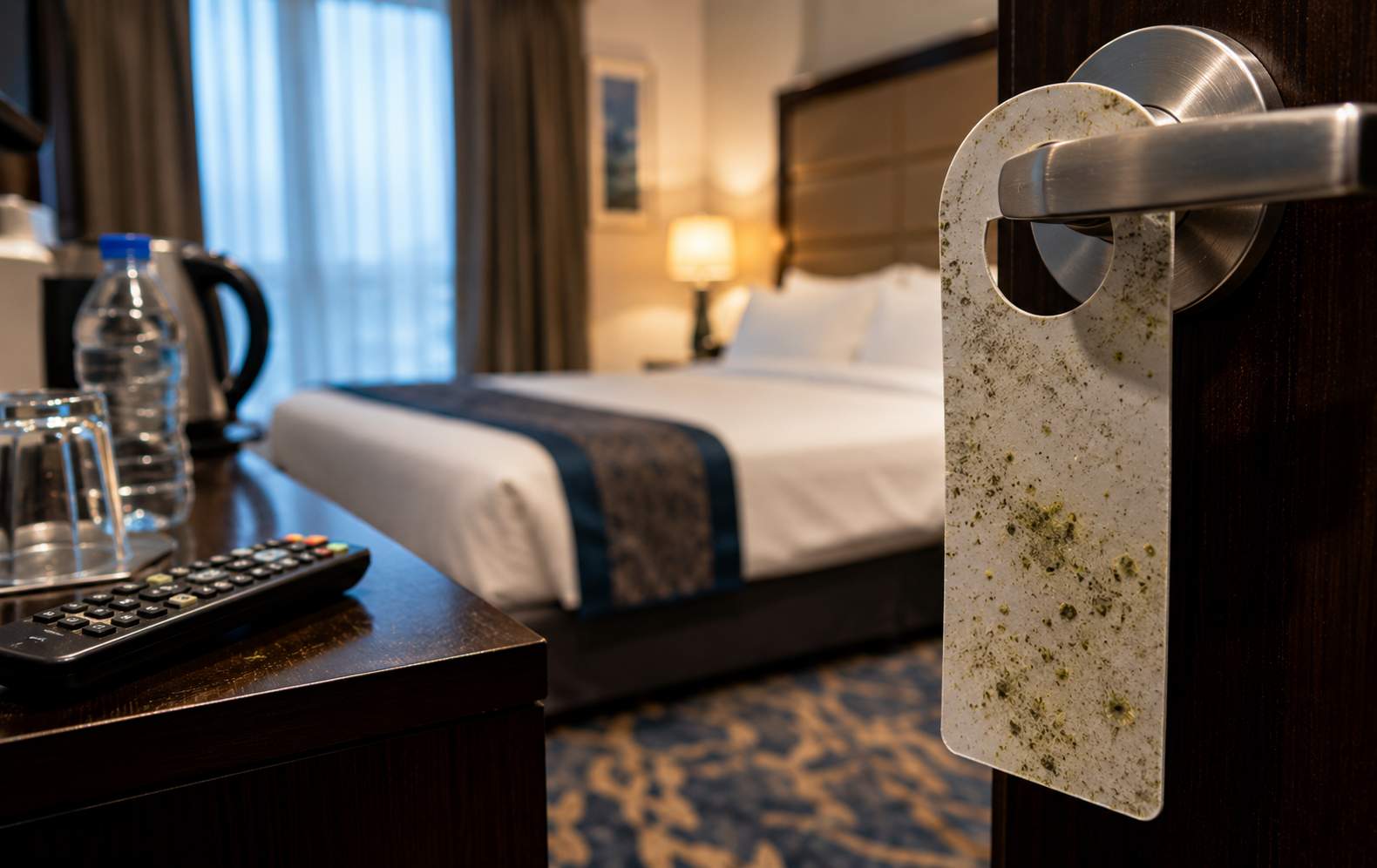
Hotel rooms are designed to feel clean, comfortable, and welcoming from the moment guests walk through the door. Fresh sheets, neatly folded towels, polished surfaces, and daily housekeeping visits often create the impression that every part of the room is spotless. However, cleaning experts and travel industry insiders say appearances can sometimes be misleading.
Even in highly rated hotels with regular housekeeping services, some of the dirtiest areas inside a hotel room are often the items guests touch most frequently. Time pressures, fast room turnover, and cleaning routines focused on visible presentation can leave hidden germ hotspots untouched for days or even weeks.
Travelers are increasingly becoming more aware of hygiene standards while staying in hotels, especially following growing public interest in cleanliness and sanitation over recent years. Experts say understanding which parts of a hotel room collect the most bacteria can help guests make smarter choices and avoid unnecessary exposure to germs during their stay.
Here are some of the dirtiest parts of a hotel room that many guests overlook, even when housekeeping enters the room every day.
TV Remotes Often Contain More Germs Than Bathrooms.
One of the most frequently touched objects in any hotel room is also one of the least thoroughly cleaned. TV remotes regularly rank among the dirtiest items found during hotel hygiene studies because they are handled constantly by different guests but may only receive quick surface wipes between stays.
Unlike bathroom sinks or toilets, which are obvious cleaning priorities, remotes can easily be forgotten during rushed housekeeping schedules. Guests often use them while eating, after touching luggage, or without washing their hands, allowing bacteria and germs to build up over time.
Travel hygiene experts frequently recommend wiping remotes with antibacterial wipes immediately after entering a hotel room. Some travelers even place the remote inside a clear plastic bag during their stay to avoid direct contact altogether.
Despite advances in hotel cleaning standards, remotes remain one of the most overlooked contamination hotspots in the hospitality industry.
Light Switches And Door Handles Collect Constant Contact.
Light switches, door handles, thermostat controls, and curtain pulls are touched repeatedly throughout every hotel stay, making them major areas for germ transfer.
These surfaces are often used by multiple guests and cleaning staff every day, yet they may not receive deep sanitization during standard housekeeping visits. Because they do not visibly appear dirty, they can sometimes be cleaned less thoroughly than bathrooms or floors.
Experts say high-touch surfaces naturally collect bacteria because people rarely think about washing their hands before interacting with them. In busy hotels with rapid room turnover, these items can quickly become contamination points.
Travelers concerned about hotel hygiene often focus heavily on beds and bathrooms while completely overlooking these smaller but heavily used objects.
Hotel Bathroom Counters Can Spread Hidden Germs.
Bathrooms are usually cleaned more thoroughly than most other areas of a hotel room, but that does not necessarily mean they are free from bacteria.
Bathroom counters often become contaminated because guests place toiletries, makeup bags, toothbrushes, phones, and personal items directly onto surfaces throughout their stay. Water splashes and moisture can also create environments where bacteria spread more easily.
Cleaning professionals warn that even if surfaces appear polished and sanitized, bacteria can still remain if disinfectants are not left on surfaces long enough to work effectively.
Many travel experts recommend keeping personal hygiene items inside toiletry bags rather than placing them directly on bathroom counters.
Decorative Cushions And Bed Runners Are Rarely Washed.
One of the least discussed hotel hygiene concerns involves decorative bedding items such as throw cushions and bed runners placed across mattresses.
Unlike pillowcases and sheets, these decorative items are often cleaned far less frequently. Some hotel housekeeping teams simply reposition them between guests unless visible stains are present.
Because these fabrics regularly come into contact with luggage, clothing, shoes, and hands, they can collect dust, bacteria, and odors over time.
Frequent travelers often remove decorative cushions and bed runners immediately after entering a room and place them aside for the duration of their stay.
Kettles And Coffee Machines Can Be Problematic.
Hotel room kettles and coffee machines may seem harmless, but travel experts say guests should approach them with caution.
Poor maintenance, inconsistent cleaning, and unusual misuse by some travelers have all contributed to hygiene concerns surrounding in-room appliances. Viral travel stories involving guests washing clothing or even heating non-food items inside kettles have increased public awareness around the issue.
Coffee machines can also develop hidden mold or bacteria if internal water systems are not cleaned properly between uses.
Hospitality professionals say reputable hotels generally maintain appliance hygiene carefully, but many travelers still prefer avoiding in-room kettles unless cleanliness is guaranteed.
Carpets Often Hold More Dirt Than Guests Realize.
Hotel carpets may appear clean after vacuuming, but they can trap dirt, dust, allergens, and bacteria deep within fibers over long periods of time.
Unlike hard flooring, carpets absorb spills and moisture more easily, making deep cleaning more difficult. In high occupancy hotels where rooms are used continuously, carpets can quickly accumulate contaminants despite regular vacuuming.
Shoes, luggage wheels, food spills, and heavy foot traffic all contribute to carpet contamination. Some experts believe hotel carpets are among the most underestimated hygiene concerns because dirt becomes less visible once embedded in fibers.
Travelers often choose to wear slippers or socks inside hotel rooms rather than walking barefoot on carpets.
Ice Buckets Can Become Unexpected Germ Hotspots.
Ice buckets are another commonly overlooked item in hotel rooms. While they may appear harmless, hygiene experts warn that not all guests use them appropriately.
Without disposable liners, ice buckets can sometimes become contaminated through improper use or inadequate cleaning between stays. Although many hotels now provide protective liners, experts still recommend checking carefully before using room ice buckets directly.
Because these items are not always part of visible cleaning routines, they can easily escape the same level of sanitization given to bathrooms or bedding.
Hair Dryers And Alarm Clocks Receive Little Attention.
Hair dryers and alarm clocks are handled frequently but often cleaned infrequently. Housekeeping staff may focus primarily on visible dust rather than disinfecting buttons, handles, or cords thoroughly.
Alarm clocks are particularly overlooked because fewer guests actively use them now that smartphones have replaced traditional alarms. However, the devices still collect dust and bacteria while remaining in constant contact with hotel guests.
Hair dryers stored inside bathroom drawers can also gather dust or germs from repeated handling over time.
These smaller room items demonstrate how hotel cleanliness is not always about obvious dirt but about repeated contact across multiple guest stays.
Why Daily Housekeeping Does Not Eliminate Every Germ.
Many travelers assume daily housekeeping means hotel rooms remain continuously sanitized, but experts say this is unrealistic given the speed at which hotel rooms must be cleaned.
Housekeeping teams often work under tight schedules, especially in busy hotels with high guest turnover. Staff may only have limited time to clean each room thoroughly before new arrivals check in.
Visible cleanliness is also prioritized heavily within the hospitality industry because guest impressions matter immediately. Fresh towels, made beds, and polished surfaces create the appearance of hygiene, even if some hidden bacteria remain on frequently touched objects.
Cleaning professionals stress that this does not mean hotels are unsafe, but rather that no shared public environment can ever be completely germ-free.
Travelers Are Becoming More Hygiene Conscious.
Public awareness around hotel hygiene has increased significantly in recent years, with many guests now bringing disinfectant wipes, hand sanitizers, and personal travel cleaning products during trips.
Travel influencers and consumer reports have also helped spread awareness about hidden hotel room germ hotspots. As a result, some hotels have introduced enhanced cleaning procedures and visible sanitation measures to reassure guests.
Many travelers now prioritize hotel reviews mentioning cleanliness standards before booking accommodation. Hygiene ratings and guest experiences have become increasingly important factors influencing travel decisions.
Despite these concerns, hospitality experts say most hotel stays remain perfectly safe for the majority of travelers, especially when basic hygiene precautions are followed.
Small Precautions Can Make A Big Difference.
Experts say travelers do not need to become overly anxious about hotel cleanliness, but small precautions can reduce exposure to common bacteria and improve peace of mind during trips.
Wiping high-touch surfaces, washing hands regularly, avoiding direct contact with decorative bedding items, and storing personal belongings carefully are all simple habits that can help.
Many experienced travelers also unpack selectively rather than placing all belongings across hotel furniture and flooring.
While hotels continue improving cleaning standards across the industry, understanding where germs most commonly collect allows travelers to make smarter choices without ruining the enjoyment of a trip.
Have you ever checked into a hotel room that looked clean but turned out to have hidden hygiene issues? Join the discussion and help other travelers stay safer during their trips.
Travel News
Even Daily Housekeeping Misses These Dirty Hotel Room Areas
Advertisement





Comments (0)
You must be logged in to post comments.
Don't have an account? Register here
No comments yet. Be the first to share your thoughts!