
While Newcastle's professional rugby union club tends to attract the most attention, a wider network of grassroots clubs across the North East continues to quietly sustain the sport at every level, from junior mini-rugby sessions through to competitive adult club rugby played across the region every weekend.
Local clubs scattered across Newcastle, Northumberland and County Durham provide the essential foundation for the sport regionally, offering structured coaching and regular fixtures to players of all ages and abilities, many of whom will never play beyond club level but who form the backbone of the sport's presence in the region regardless.
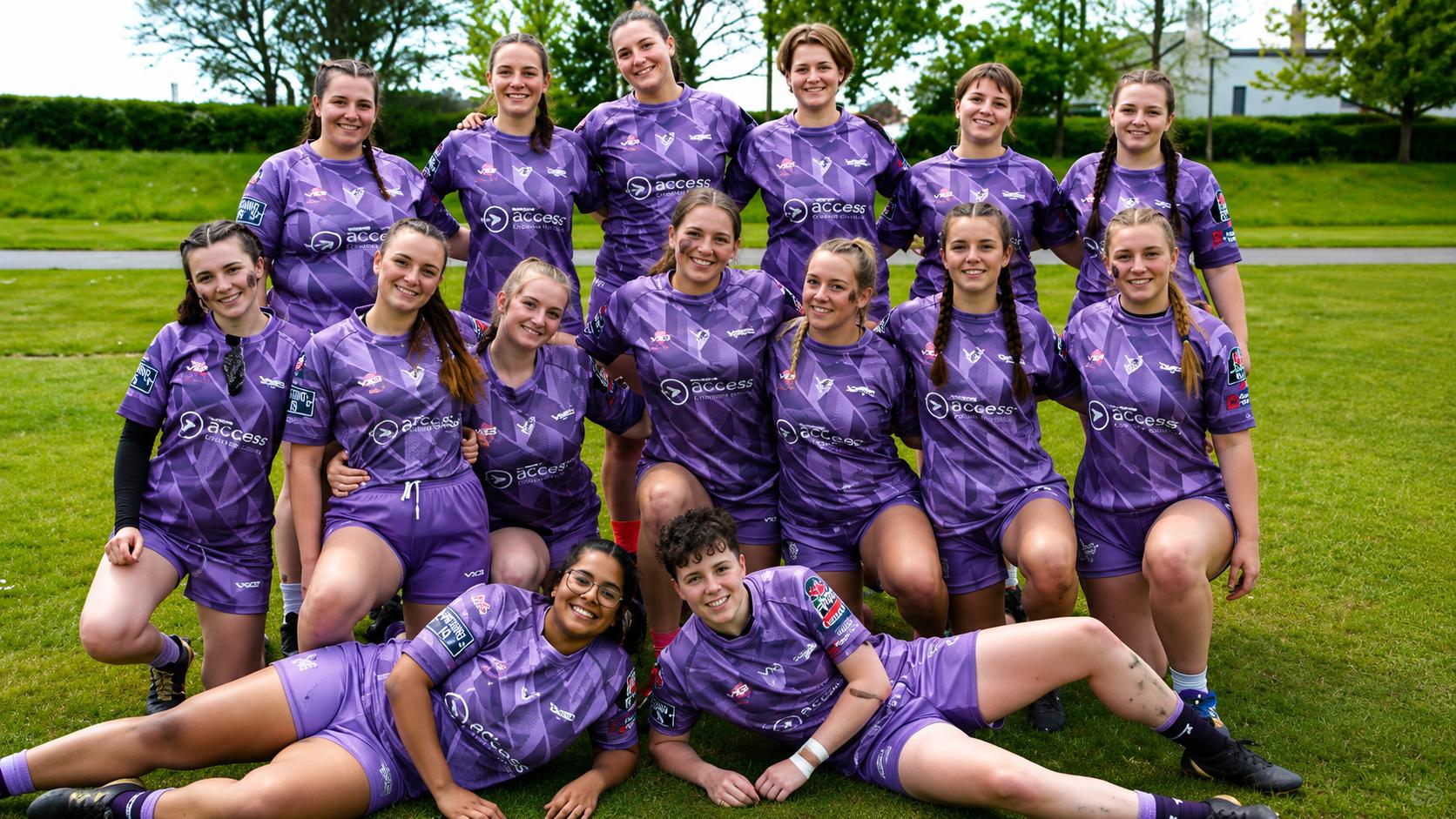
The women's game has expanded particularly quickly across the North East in recent years, mirroring a broader national trend within rugby union, with growing numbers of clubs establishing dedicated women's and girls' sections where none previously existed, offering a structured pathway that was considerably harder to find within the sport only a decade or so ago.
That growth has been driven partly by increased visibility of the women's international game, with high-profile fixtures and tournament coverage helping introduce rugby union to potential new players who might not previously have considered it, in much the same way that women's football has benefited from similar increased exposure in recent years.
Schools have played an important role in this expansion too, with rugby union increasingly offered as an option within girls' school sport across the region, providing an early introduction to the game that previously would have been considerably less common outside of a small number of specialist schools with an established rugby tradition.
Volunteer coaches and club administrators remain just as essential to grassroots rugby's survival as they are in local football, dedicating unpaid time across weekends and evenings to keep local clubs running, a largely unseen effort without which the sport's presence across much of the region would simply not be sustainable.
Cross-code interest has also played a role in the sport's grassroots growth, with some clubs reporting new players arriving having first been introduced to rugby through school taster sessions or through following the professional women's international game on television, rather than through any prior family connection to the sport.
Facilities remain a persistent challenge for grassroots rugby clubs in much the same way they do across grassroots football, with pitch availability and clubhouse maintenance costs frequently cited by local committees as an ongoing concern, even as participation numbers within the women's game continue to move in a positive direction.
Local tournaments and festivals bringing together women's and girls' teams from across the region have become an increasingly regular fixture on the grassroots rugby calendar, giving clubs a chance to showcase the growth of the women's game to a wider audience while also providing valuable competitive experience for players still relatively new to the sport.
As participation in the women's game continues to grow alongside the sport's more established traditional base, grassroots rugby union looks set to remain a steadily expanding, if often overlooked, part of the North East's broader sporting landscape for years to come. It is a slow, steady kind of growth, but one that looks firmly set to continue.
Join the discussion.
Have you watched any womens rugby matches live in the North East?
Sports News
Grassroots Rugby and the Growing Women's Game in the North East
Beyond the professional game, rugby union at grassroots level continues to grow across the North East, with the women's game expanding particularly quickly.
Advertisement





Comments (0)
You must be logged in to post comments.
Don't have an account? Register here
No comments yet. Be the first to share your thoughts!