
The River Tyne is one of the North East's most iconic landmarks, stretching through Newcastle and Gateshead before reaching the North Sea. Every day, thousands of people walk along the Quayside, cross its famous bridges or spend time enjoying the restaurants, bars and cultural attractions that line its banks.
Despite its popularity, the River Tyne is also one of the busiest locations for water-related emergency callouts in the region. High profile rescues regularly make headlines, prompting many people to ask the same question. Just how many River Tyne rescues happen each year?
The honest answer is that there is no publicly available figure covering every rescue on the River Tyne alone. Incidents are handled by several organisations, including Tyne and Wear Fire and Rescue Service, Northumbria Police, the North East Ambulance Service, HM Coastguard and the RNLI, with no single published annual total dedicated solely to the river. However, available figures paint a clear picture of how significant water rescue work has become across the region.
Water rescues form part of thousands of emergency incidents.
Tyne and Wear Fire and Rescue Service attends thousands of incidents every year, many of which involve specialist rescue teams.
The service recorded 17,401 emergency incidents during 2024-25, including 3,334 special service incidents, a category that covers water rescues, road traffic collisions, flooding, rescues from height and other non-fire emergencies. In 2025, the total number of incidents attended increased to 18,066, with 3,395 special service incidents, highlighting the growing demand placed on emergency responders.
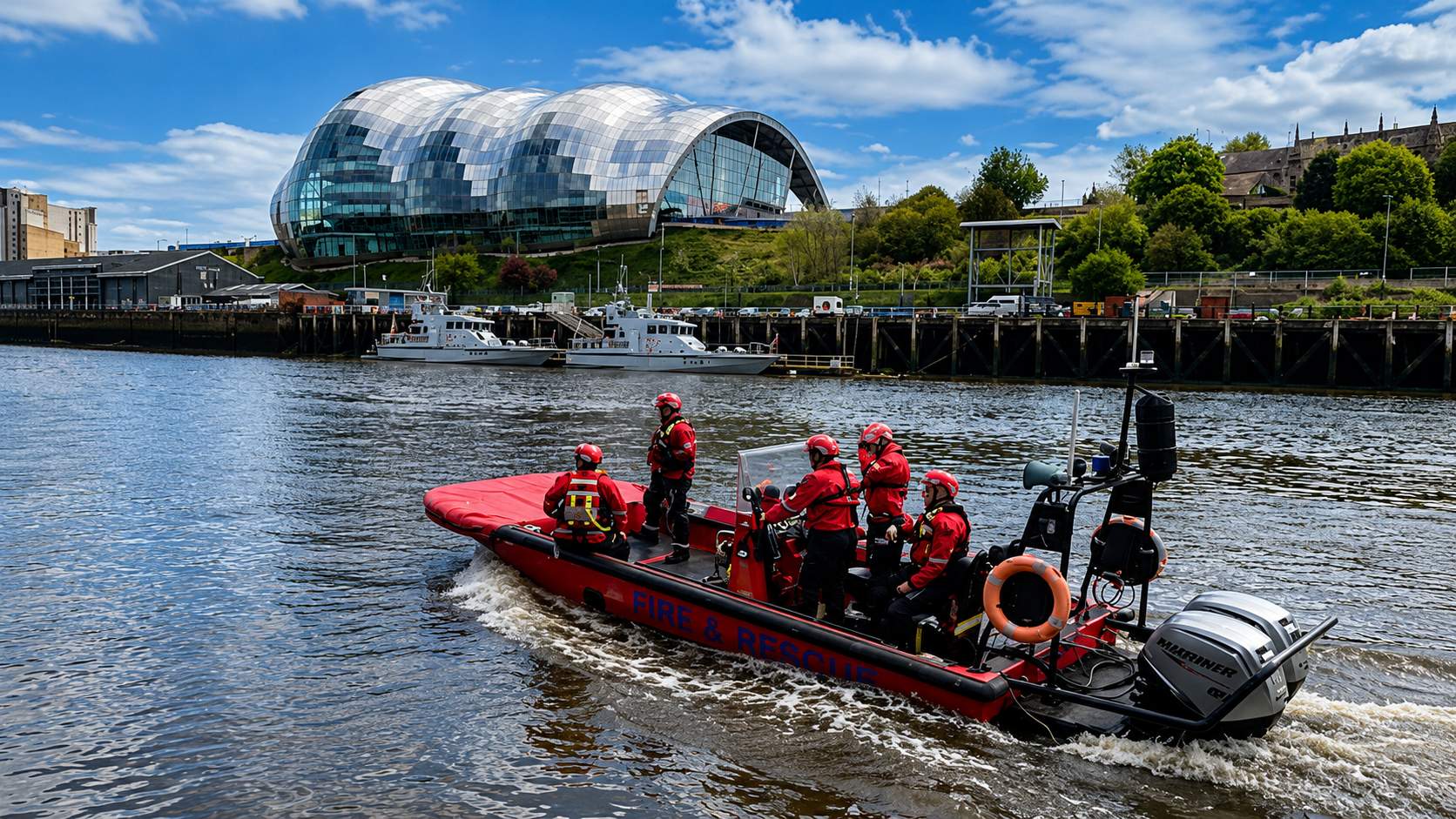
Although these figures do not break down exactly how many involved the River Tyne, firefighters maintain a dedicated fire boat on the river and specialist swift water rescue teams that can be deployed within minutes when reports of someone entering the water are received.
Why does the River Tyne generate so many callouts?
Several factors make the River Tyne particularly challenging for emergency services.
Unlike many inland rivers, the Tyne is tidal. Water levels and currents change throughout the day, creating strong flows that can catch people off guard. Even experienced swimmers can struggle once they are carried away from the riverbank.
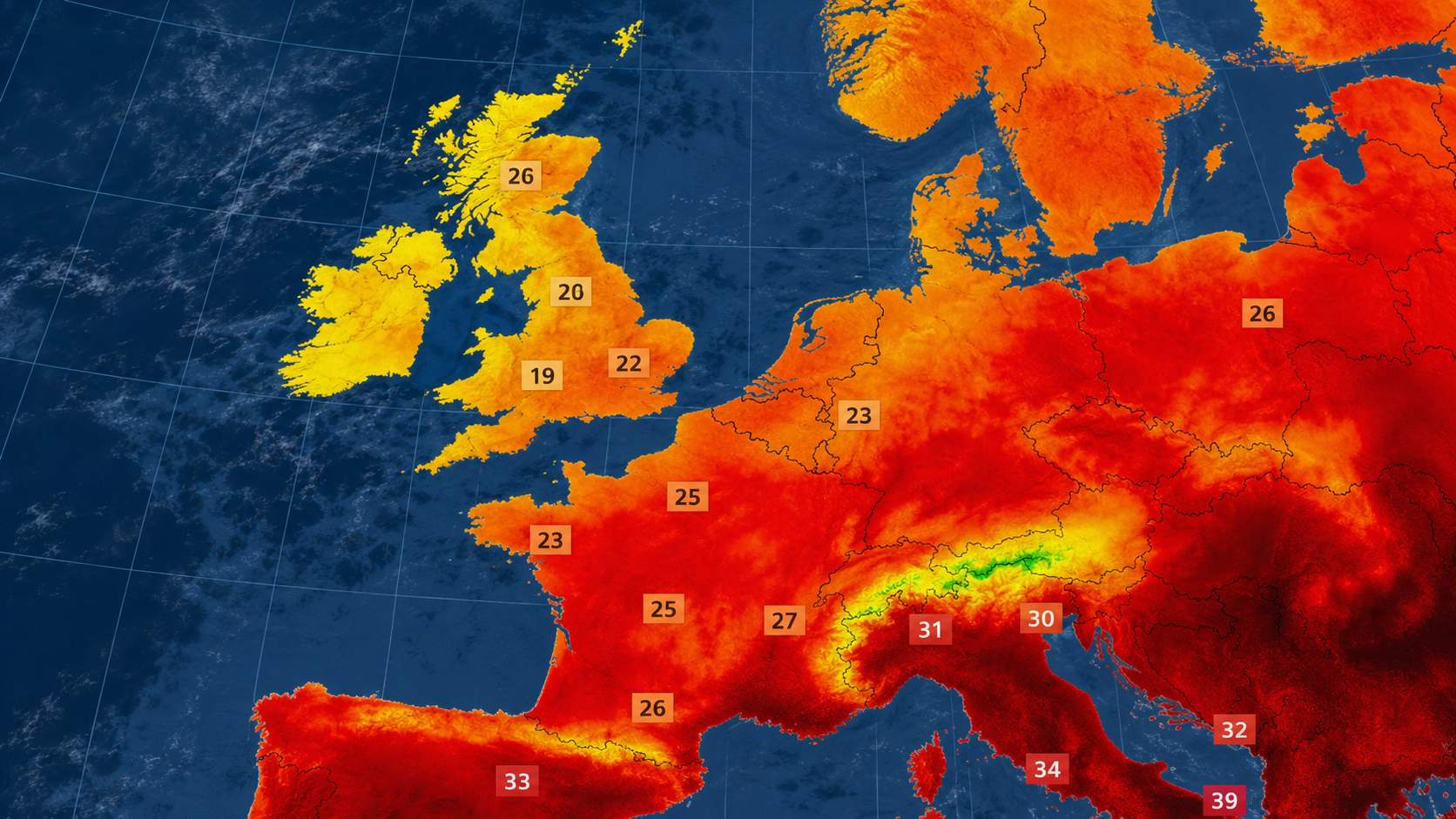
Cold water is another hidden danger. During summer, air temperatures across Newcastle can exceed 25C, yet the river often remains well below 15C. Entering water at these temperatures can trigger cold water shock, causing an involuntary gasp, rapid breathing and reduced muscle control within seconds.
Emergency crews also deal with people who accidentally fall from the Quayside, individuals in mental health crisis and recreational incidents involving paddleboards, kayaks and small boats. Each situation requires a carefully coordinated response involving multiple agencies.
National figures show inland waters carry the greatest risk.
The latest data from the National Water Safety Forum highlights why rivers remain such a concern.
Across the UK, there were approximately 202 accidental water-related fatalities during 2025, with 57 percent occurring at inland waterways, including rivers, lakes and canals. Men accounted for around 85 percent of accidental drowning victims, while many people entered the water unexpectedly rather than intending to swim. These figures underline why rivers continue to pose one of the greatest water safety risks in the country.
The Royal National Lifeboat Institution has also reported a significant increase in demand for water rescues during periods of warm weather, as more people head outdoors to rivers, lakes and beaches. In 2025 alone, RNLI lifeguards helped more than 36,000 people across the UK, reflecting the growing pressure on rescue services during busy summer months.
Newcastle continues investing in prevention.
Rather than focusing only on emergency response, local organisations are investing heavily in preventing incidents before they happen.
In late 2025, Newcastle City Council partnered with Tyne and Wear Fire and Rescue Service to install nine additional throw lines between Ouseburn and St Peter's Basin. The investment increased the total number of publicly accessible throw lines along Newcastle's riverside to 23, giving bystanders more opportunities to assist safely while waiting for emergency services.
Regular public awareness campaigns also encourage people to avoid entering the river, particularly after consuming alcohol or during periods of hot weather when cold water shock can be especially dangerous.
Every rescue depends on quick action.
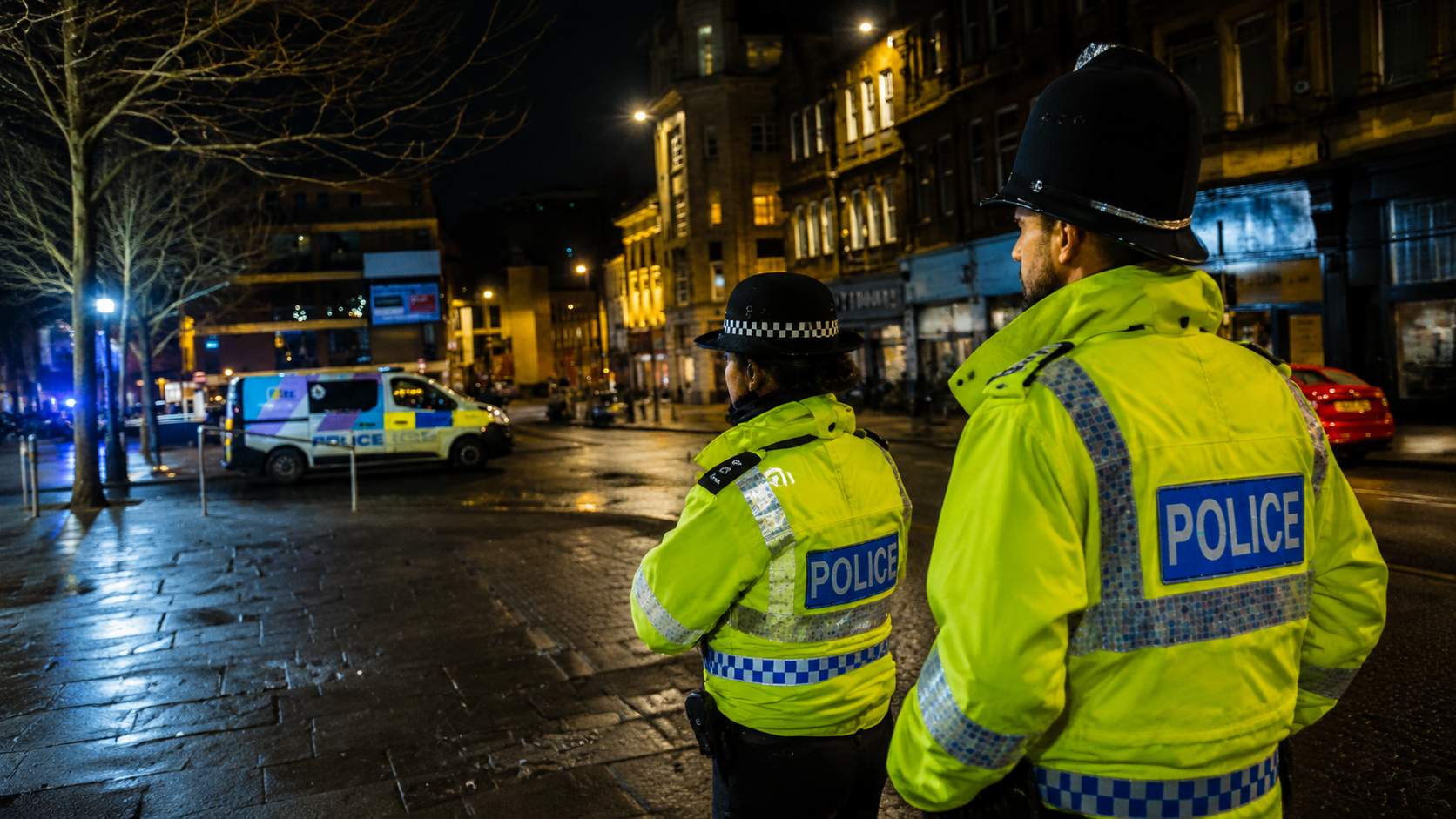
Behind every River Tyne rescue is a coordinated effort involving firefighters, police officers, ambulance crews and coastguard teams, all working together to save lives.
If someone is seen in difficulty, emergency services advise members of the public to call 999 immediately, provide the exact location and use nearby throw lines or lifebuoys if it is safe to do so. Entering the water yourself is strongly discouraged because rescuers frequently encounter secondary casualties when well-meaning bystanders attempt a rescue.
While there may never be a simple annual number that captures every River Tyne rescue, one thing is clear. Emergency crews respond to water incidents on the Tyne throughout the year, and continued investment in safety equipment, public education and specialist rescue teams is helping reduce the risks for everyone who enjoys Newcastle's famous riverside.
Share your experiences.
Have you ever seen emergency services responding on the River Tyne?
Local News
How Many River Tyne Rescues Happen Each Year?
Advertisement



Comments (0)
You must be logged in to post comments.
Don't have an account? Register here
No comments yet. Be the first to share your thoughts!