
Most people know they can vote for a local councillor, but far fewer understand what councillors actually do once they are elected. While MPs debate national laws in Westminster, councillors focus on the issues that directly affect everyday life in Newcastle, from potholes and planning applications to housing, parks and waste collection.
Following the city-wide elections in 2026 and with another round of voting scheduled for May 2027, many residents across Newcastle are asking the same question. What exactly does a Newcastle councillor do?
The answer is much broader than many people realise, with councillors balancing community work, council meetings and decision-making that can shape the city for years to come.
Representing thousands of local residents.
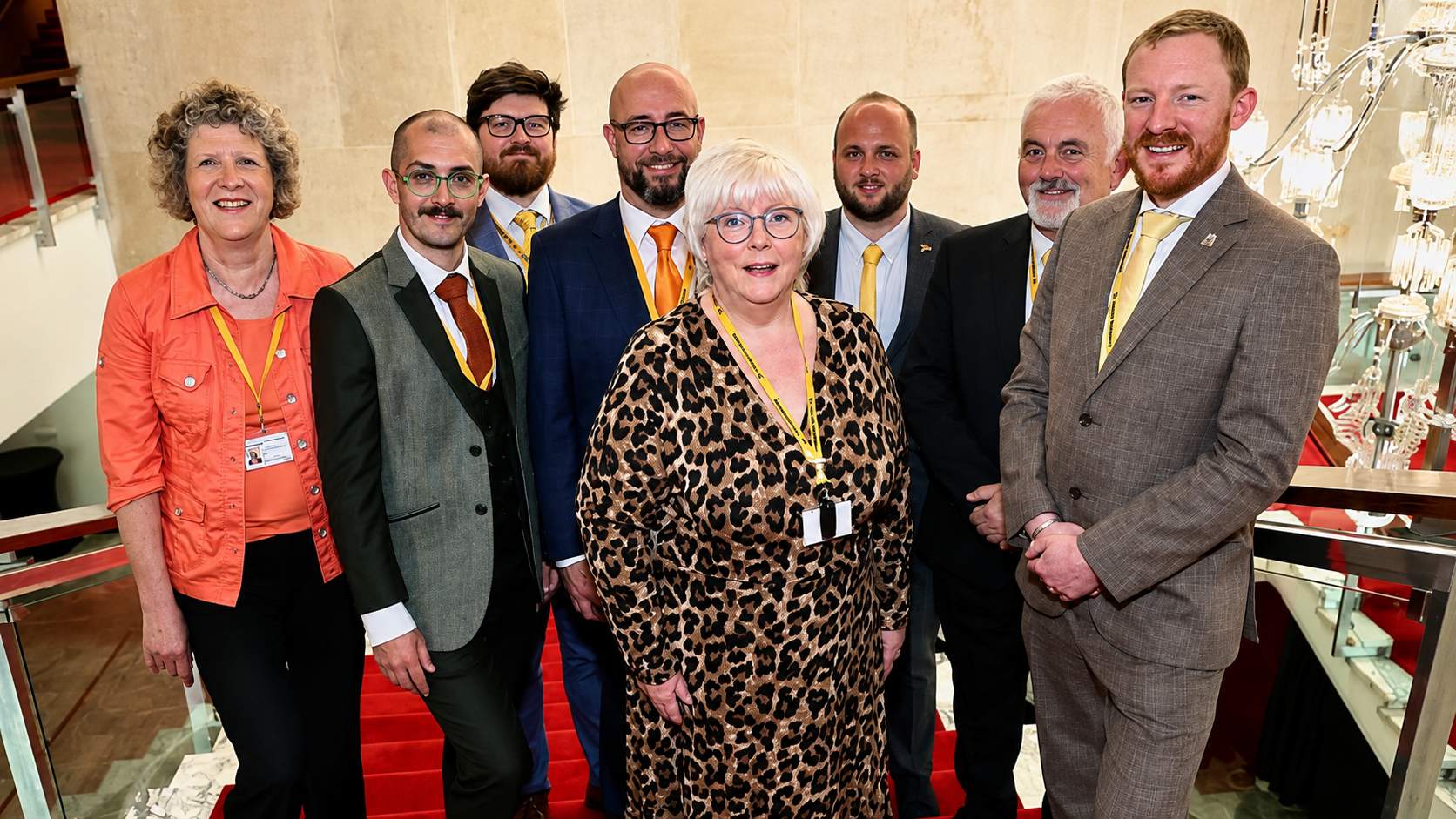
Newcastle City Council has 78 councillors, with three councillors representing each of the city's 26 wards. Every councillor has a duty to represent the interests of everyone living in their ward, regardless of how they voted or whether they voted at all.
A councillor is often the first person residents contact when they have concerns about local services.
These issues might include missed bin collections, anti-social behaviour, damaged roads and pavements, housing concerns, planning applications, parking problems or questions about local schools and community facilities.
While councillors cannot personally fix every problem, they act as advocates by raising issues with council officers and helping residents navigate council services.
Making decisions that affect daily life.
One of the most important parts of a councillor's role is making decisions on behalf of the city.
Councillors attend Full Council meetings where they debate policies, approve budgets and discuss major issues facing Newcastle. Many also sit on specialist committees responsible for areas including planning, licensing, scrutiny, audit and regulatory decisions.
Some councillors are appointed to the Cabinet, where they take responsibility for major service areas such as housing, transport, children's services, adult social care, finance and climate policy. Cabinet members have delegated powers to make decisions within their portfolios, helping the council operate efficiently.
These decisions influence everything from new housing developments to investment in local roads and neighbourhood improvements.
They are expected to be visible in their communities.
Most councillors spend a significant amount of time outside formal meetings.
They regularly attend community events, residents' meetings, school functions, charity events and consultations on local developments. Many also hold advice surgeries where residents can discuss concerns face-to-face.
The Local Government Association estimates that councillors typically spend around 22 hours each week carrying out council duties, although Cabinet members and council leaders often commit considerably more time.
For many elected members, evenings and weekends are often occupied with meetings and community events alongside their regular employment.
Are Newcastle councillors paid?
One of the most common questions people ask is whether councillors receive a salary.
Technically, councillors receive an allowance rather than a salary. Newcastle City Council operates a Members' Allowances Scheme that sets out the basic allowance paid to all councillors, together with additional payments for those holding positions with greater responsibility, such as Cabinet members or committee chairs. The scheme is reviewed regularly following recommendations from an Independent Remuneration Panel.
Councillors may also be able to claim expenses in certain circumstances, including approved travel, subsistence and carers' allowances, depending on their duties.
They must follow strict standards.
Being elected does not mean councillors can simply make decisions however they choose.
All Newcastle councillors must comply with a formal Code of Conduct that sets expectations around honesty, integrity, transparency and accountability. Complaints about councillor behaviour can be investigated through established procedures where appropriate.
Councillors are also required to declare relevant financial interests and avoid participating in decisions where a conflict of interest exists.
These rules are designed to maintain public confidence in local democracy.
Why local councillors matter more than many people think.
National politics often dominates headlines, but many of the services people rely on every day are shaped by decisions made at Newcastle Civic Centre rather than Parliament.
Councillors help determine how council tax funding is spent, where new homes are built, how local parks are maintained, whether planning applications are approved and how neighbourhood services operate.
For residents, having an active councillor can often make it easier to raise concerns that might otherwise go unnoticed.
As Newcastle prepares for further local elections in May 2027, understanding the role of councillors helps explain why these elections matter. The people elected will influence decisions affecting communities across the city for years to come, from transport and regeneration to environmental improvements and local services.
Local democracy starts close to home.
While councillors may not receive the same level of attention as MPs or government ministers, their decisions often have a more immediate impact on daily life.
Whether responding to residents' concerns, helping shape council policy or representing communities at City Hall, Newcastle's councillors play an important role in ensuring local voices are heard. For anyone wondering whether local elections matter, understanding what councillors actually do is perhaps the clearest answer of all.
Share your thoughts below.
Do you think councillors should have more powers over local decisions?
Political News
How Newcastle Councillors Shape The City
Advertisement


Comments (0)
You must be logged in to post comments.
Don't have an account? Register here
No comments yet. Be the first to share your thoughts!