
A new online movement known as the “femosphere” is rapidly gaining attention across social media platforms, attracting millions of views while reshaping conversations around femininity, beauty, relationships and self-image.
The trend, which has exploded on TikTok, YouTube and Instagram over the past year, centres around content created primarily for women focusing on self-improvement, traditional femininity, wellness routines, beauty culture and lifestyle advice. But while supporters describe it as empowering and aspirational, critics argue it can sometimes promote unrealistic expectations and reinforce outdated stereotypes.
As hashtags linked to the femosphere continue generating huge engagement online, the phenomenon is becoming impossible to ignore.
What Exactly Is the Femosphere?.
The term “femosphere” does not refer to one single community or ideology. Instead, it describes a broad collection of online spaces aimed at discussing modern femininity and women-focused lifestyle content.
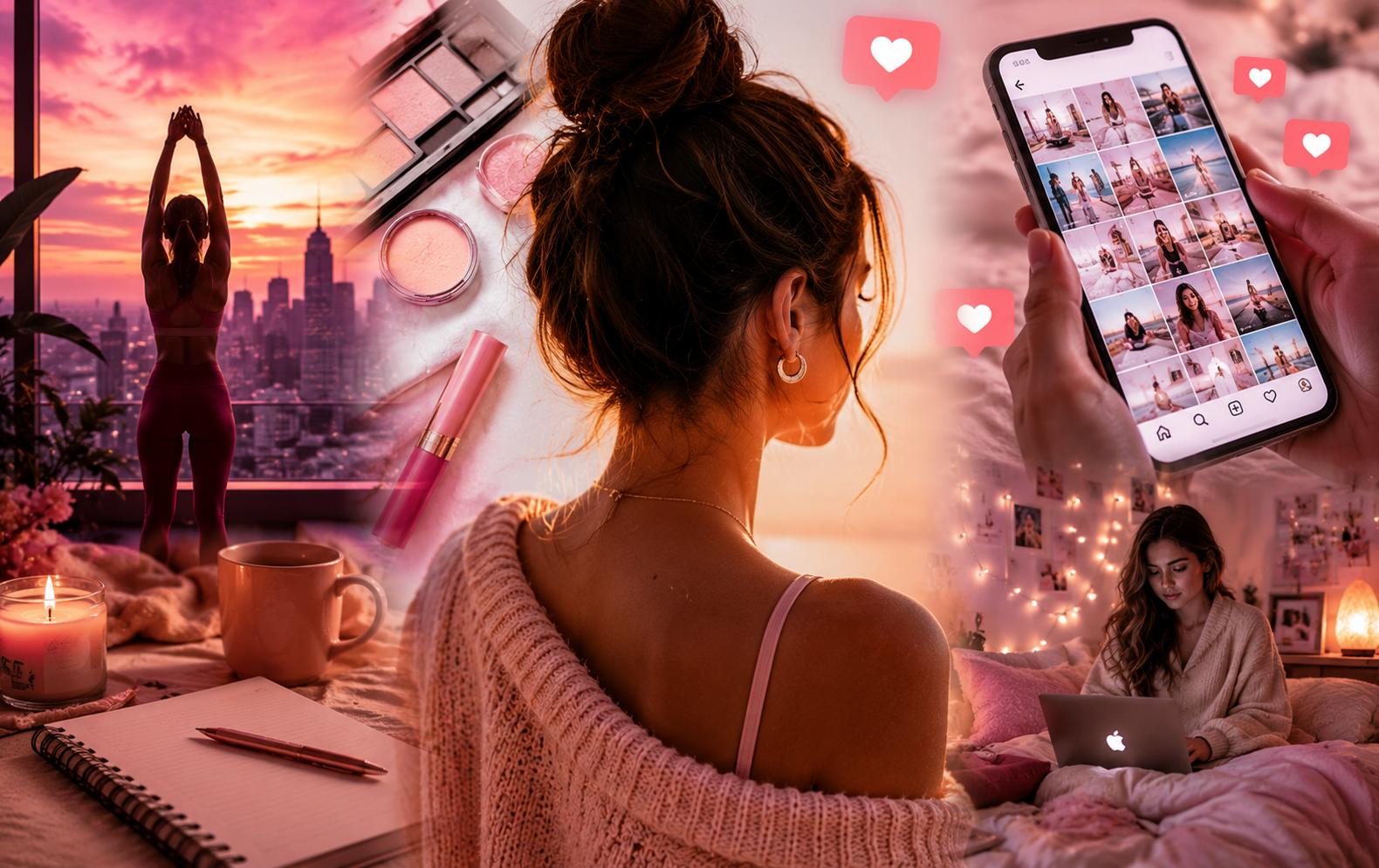
The movement includes everything from “soft girl” aesthetics and hyper-feminine fashion trends to dating advice, wellness routines and discussions around traditional gender roles.
Some creators focus heavily on confidence, fitness and mental wellbeing, while others promote luxury lifestyles, homemaking, beauty standards or relationship dynamics.
In many ways, the femosphere mirrors how internet culture constantly evolves into smaller niche communities. What makes this particular trend stand out is the speed at which it has spread across multiple social platforms simultaneously.
TikTok alone contains billions of views linked to femininity-focused content, with creators often sharing detailed morning routines, skincare regimens, fashion advice and discussions around self-worth.
Social Media Algorithms Are Fueling the Trend.
Experts believe social media algorithms have played a major role in the rapid growth of the femosphere.
Platforms such as TikTok and Instagram heavily reward visually engaging content, particularly videos built around aesthetics, lifestyle transformation and aspirational imagery. Feminine lifestyle creators often produce exactly that kind of material.
Highly polished content showing organised apartments, luxury products, healthy meals and carefully curated routines performs extremely well online because viewers are encouraged to imagine themselves living the same lifestyle.
Once users engage with even a small amount of this content, algorithms quickly recommend more of it, creating an endless cycle of related videos and posts.
That constant exposure has helped the femosphere evolve from a niche internet subculture into a mainstream online trend.
Younger Women Are Driving Its Popularity.
A large proportion of the femosphere’s audience consists of younger women and teenage girls searching for identity, confidence and community online.
Many followers say they are drawn to the movement because it encourages self-care, personal growth and emotional openness in a way they feel older internet cultures often ignored.
For some, the content provides motivation to improve routines, build confidence or become more organised. Others simply enjoy the escapism and aesthetics attached to the trend.
University students and young professionals in particular appear heavily engaged with femininity-focused online spaces, especially those discussing balancing careers, relationships and personal wellbeing.
The rise of “girlhood” content online has also contributed to the movement’s popularity, with many creators presenting femininity as something comforting, empowering and socially connected.
Critics Say the Trend Can Become Problematic.
Despite its popularity, the femosphere has also attracted criticism from psychologists, digital culture experts and social commentators.
Some argue parts of the movement blur the line between empowerment and unhealthy pressure, particularly when creators promote expensive beauty products, unrealistic body standards or highly curated lifestyles.
Others believe certain corners of the trend encourage women to define themselves too heavily around appearance or relationships.
There are also concerns around misinformation, especially in wellness and self-help spaces where creators sometimes offer advice without professional expertise.
Critics warn that the polished nature of social media can create distorted perceptions of reality, particularly among younger audiences who may compare themselves to carefully edited online personas.
At the same time, supporters argue these criticisms overlook the fact that many women simply enjoy engaging with traditionally feminine interests online without political motives attached.
The Femosphere Reflects Bigger Cultural Changes.
The growing influence of the femosphere also reflects broader changes happening across digital culture.
Over the past decade, online communities built around identity and lifestyle have become increasingly powerful. Whether focused on fitness, fashion, gaming or politics, internet spaces now shape how millions of people see themselves and interact with others.
The femosphere fits into that wider shift, where online creators often hold more influence over trends and opinions than traditional celebrities or media outlets.
Brands have also quickly recognised the commercial value of the movement. Beauty companies, wellness brands and fashion labels are increasingly partnering with creators whose content aligns with feminine lifestyle aesthetics.
This has helped transform parts of the femosphere into a multi-million-pound influencer economy.
Why the Debate Around Femininity Is Growing.
One reason the femosphere continues generating attention is because discussions around femininity have become increasingly polarised online.
Some women embrace traditionally feminine aesthetics and values as a form of confidence and self-expression, while others worry the trend risks reviving restrictive expectations that previous generations worked hard to challenge.
That tension has made the topic especially popular across podcasts, YouTube discussions and social media debates.
At the centre of the conversation is a much larger question about what femininity means in modern society and who gets to define it.
The answer varies dramatically depending on who is participating in the discussion.
The Femosphere Is Unlikely to Disappear Anytime Soon.
Whether viewed as empowering, performative or somewhere in between, the femosphere is clearly becoming one of the internet’s most influential lifestyle trends.
Its mix of beauty culture, self-improvement content and identity-driven discussions continues attracting huge audiences across multiple platforms every day.
Like many online movements, the trend will likely continue evolving as new creators and ideas emerge. But for now, the femosphere remains a major part of modern digital culture and a reflection of how social media increasingly shapes conversations around identity, lifestyle and gender.
As the debate continues, one thing is certain - the online world’s fascination with femininity is only growing stronger.
Do you think the femosphere is empowering for women or does it create unrealistic expectations? Share your thoughts and experiences in the comments below.
Lifestyle
Inside the “Femosphere” - The Online World Redefining Modern Femininity
Advertisement



Comments (0)
You must be logged in to post comments.
Don't have an account? Register here
No comments yet. Be the first to share your thoughts!