
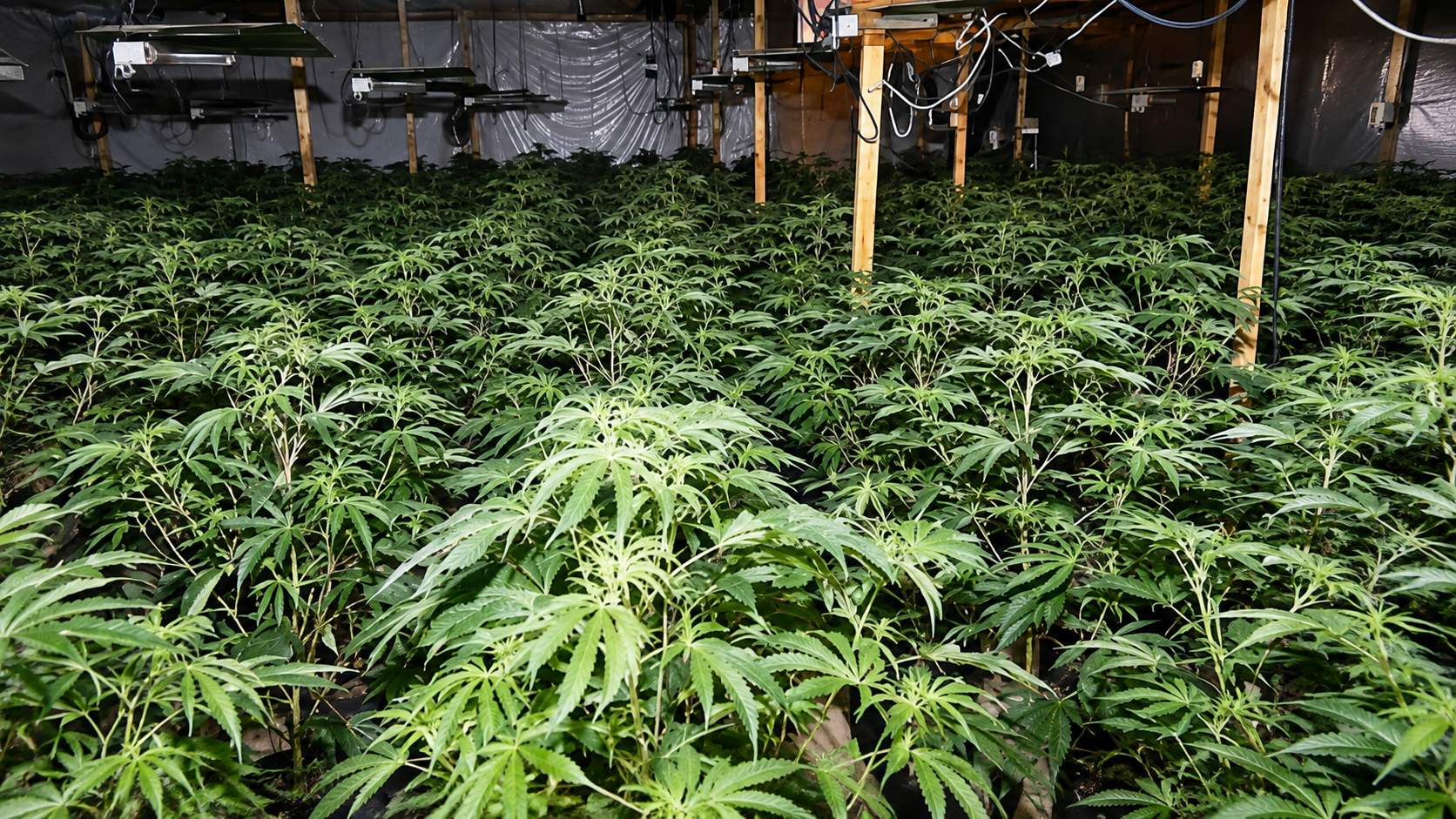
The discovery of another 800-plant suspected cannabis farm in the North East has once again shone a spotlight on an issue that police forces across the UK continue to battle. While many people imagine illegal cannabis cultivation taking place in ordinary houses, organised crime groups are increasingly using empty schools, warehouses, offices and industrial buildings to grow large quantities of cannabis away from public view.
Across Newcastle and the wider North East, police have uncovered numerous commercial-scale cannabis farms over the past six months. Each discovery highlights not only the scale of the illegal drugs trade, but also the wider criminal networks that often sit behind these operations.
Investigators say these sites are rarely isolated crimes. Instead, they are frequently linked to organised crime groups involved in drug trafficking, money laundering, violence and, in some cases, the exploitation of vulnerable people through modern slavery.
Why empty buildings are targeted.
One of the biggest reasons organised crime groups favour vacant properties is that they attract less day-to-day attention than occupied homes or businesses.
Former schools, warehouses and commercial premises can remain empty for months or even years while redevelopment plans are considered. During that time, they can become attractive targets for criminal groups looking to operate unnoticed.
Police and local authorities regularly encourage owners of vacant buildings across Newcastle, Gateshead, Sunderland and the wider North East to improve security, inspect premises frequently and report signs of trespass as quickly as possible.
The people behind organised cannabis farms.
Contrary to popular belief, those found inside cannabis farms are not always the people running the operation.
The National Crime Agency has repeatedly warned that some individuals discovered at illegal cultivation sites may themselves be victims of exploitation. Organised crime groups have been known to recruit or coerce vulnerable people, including migrants, into guarding or maintaining illegal sites under threats, intimidation or debt.
Investigators therefore examine every case carefully to determine whether those present are offenders, victims, or both.
The hidden dangers to nearby communities.
Illegal cannabis farms create risks that extend well beyond drug production.
Police and fire services have warned that criminal groups sometimes interfere with electrical supplies, increasing the risk of serious fires. Vacant buildings used by organised crime can also become focal points for anti-social behaviour and attract other forms of criminal activity.
Residents living near suspected cannabis farms sometimes report unusual smells, permanently covered windows, unexplained deliveries or people visiting at unusual hours. Police stress that none of these signs alone proves criminal activity and that the public should never investigate themselves. Instead, any concerns should be reported through the appropriate channels.
A national problem affecting local communities.
Large-scale cannabis cultivation remains one of the UK's most persistent organised crime issues.
According to the National Crime Agency, organised crime costs the UK economy more than £47 billion each year, with drug trafficking representing one of the largest illicit markets. The agency also says organised crime groups increasingly adapt their methods, using a wide range of properties to conceal illegal operations.
Meanwhile, Home Office and police data show that thousands of cannabis farms are dismantled across England and Wales every year, ranging from small residential properties to large commercial premises.
The National Crime Agency has also highlighted the links between illegal cannabis production and modern slavery, warning that vulnerable people are sometimes exploited to support organised criminal enterprises.
How police investigate.
Investigations into suspected cannabis farms often begin with information supplied by members of the public.
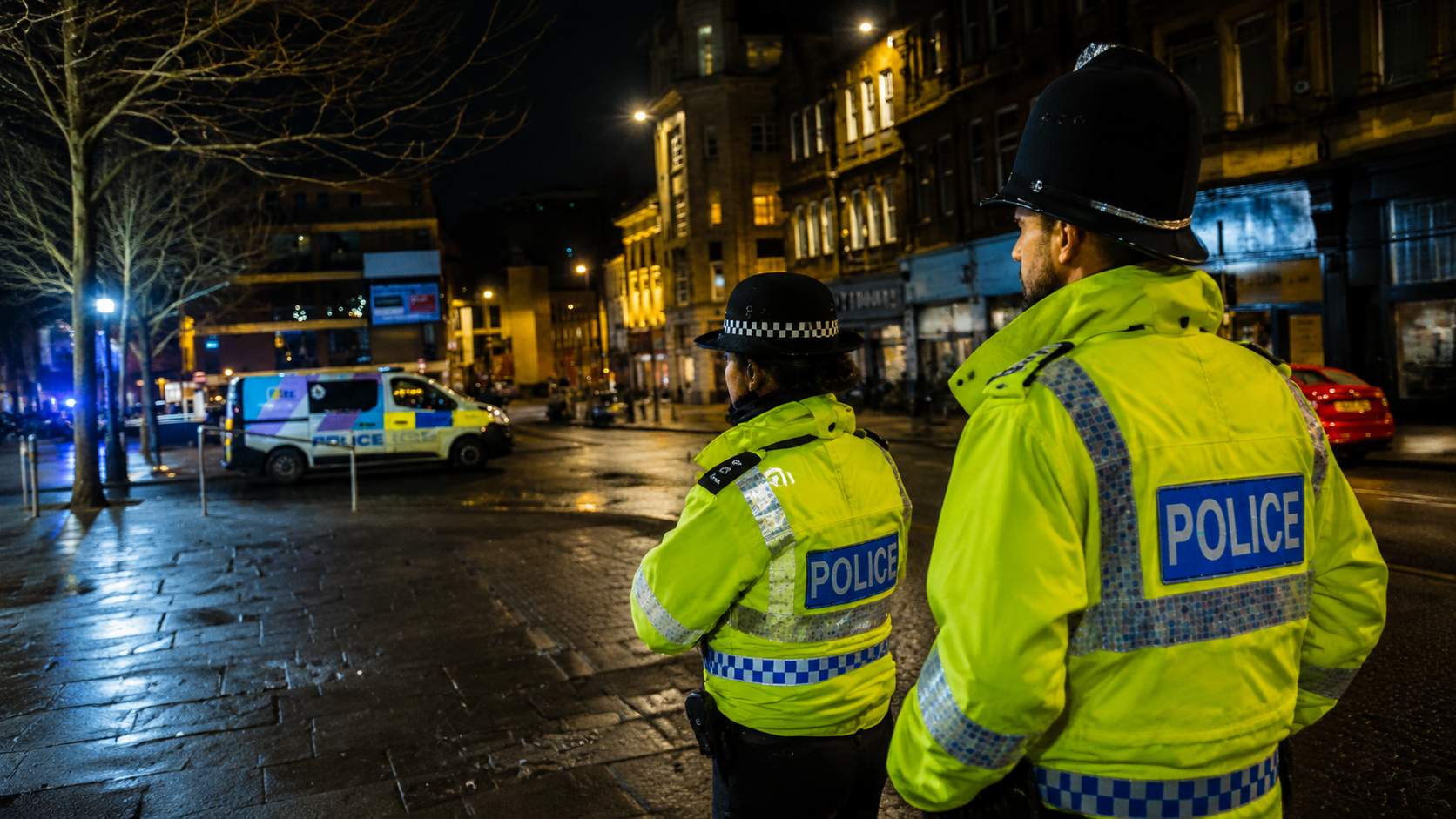
Reports of suspicious activity, intelligence gathered by neighbourhood officers and information shared between agencies can all contribute to an investigation. Depending on the circumstances, specialist officers may attend to secure the scene safely before forensic examinations are carried out.
Once a site has been searched, officers gather evidence, identify those responsible and work to establish whether wider organised crime networks are involved.
What the public can do.
Police say the safest approach is to remain observant without putting yourself at risk.
If something about a vacant building appears unusual or suspicious, members of the public should avoid entering the property or confronting anyone connected to it. Instead, concerns should be reported to police using 101, online reporting services or, in an emergency where there is an immediate threat to life or crime in progress, by calling 999.
As recent discoveries across Sunderland and previous investigations in Newcastle demonstrate, organised cannabis farms remain an issue affecting communities across the North East. Continued public vigilance, alongside proactive policing, remains one of the most effective ways of helping to disrupt organised crime and keep neighbourhoods safe.
Share your thoughts.
Have you seen more vacant buildings across Newcastle or the North East becoming security concerns?
Local News
The Hidden World of Illegal North East Cannabis Farms
Advertisement




Comments (0)
You must be logged in to post comments.
Don't have an account? Register here
No comments yet. Be the first to share your thoughts!