
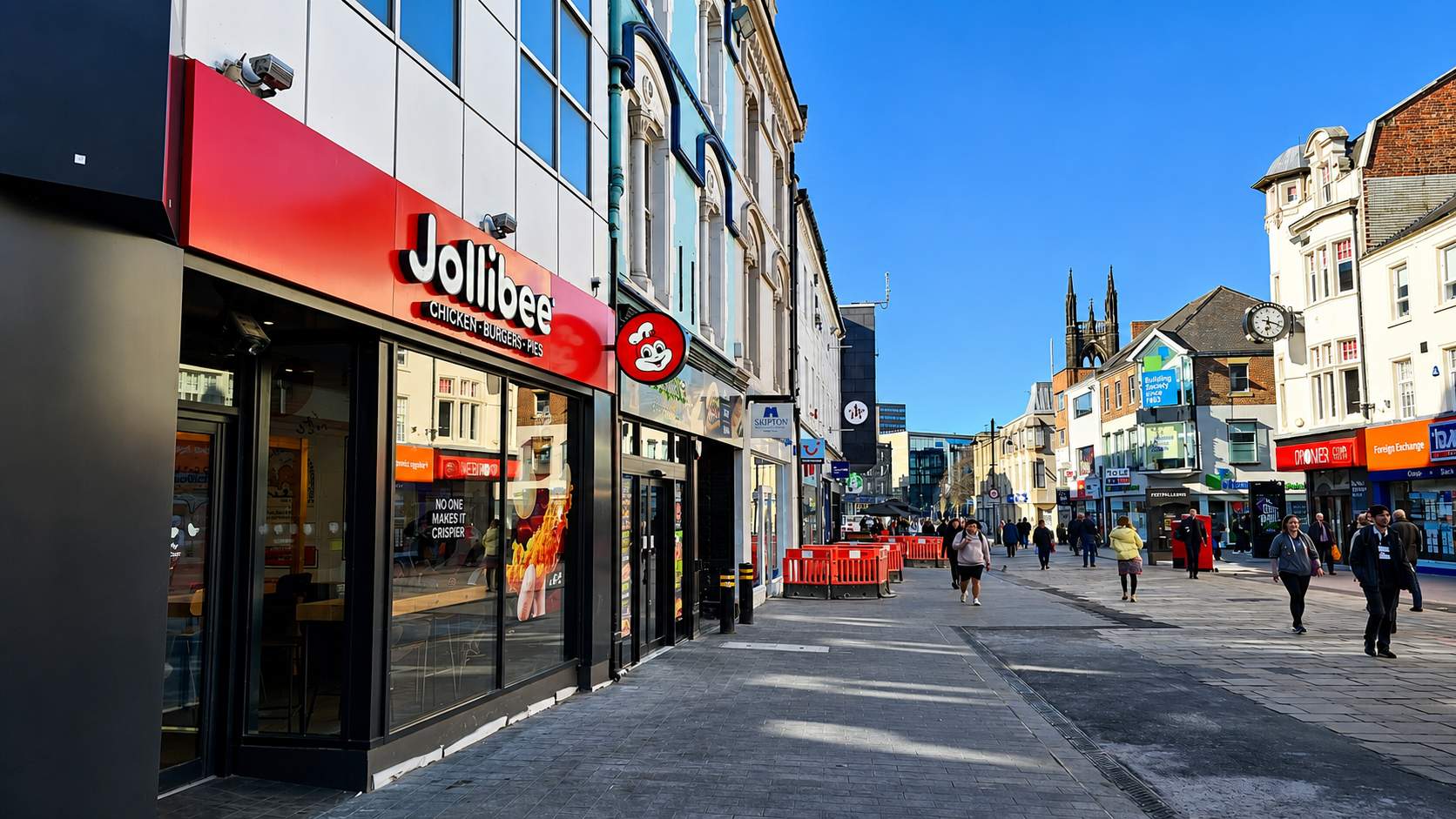
For decades, Newcastle's high streets were among the busiest shopping destinations in the North East. Weekends meant packed pavements around Northumberland Street, queues outside department stores and independent retailers welcoming loyal customers through their doors.
Today, the shopping experience looks very different.
Online shopping has transformed the way people buy everything from clothing and electronics to groceries and furniture. While digital retail offers convenience that many consumers now expect, it has also created significant challenges for traditional high streets across Newcastle and the wider North East.
As consumer habits continue to evolve, local businesses are adapting in new ways, while city planners invest millions into creating shopping districts that offer far more than retail alone.
Online shopping continues to grow.
The rise of e-commerce has been one of the biggest changes in British retail over the past decade. Consumers increasingly expect next-day delivery, easy returns and competitive online prices that many independent retailers simply cannot match.
Industry reports continue to show online retail accounting for a substantial share of UK shopping activity, with some sectors such as fashion, electronics and homeware seeing particularly strong digital sales. Retail analysts also expect online spending to continue growing throughout the coming years.
For Newcastle shoppers, this means buying from a smartphone has become just as common as visiting the city centre.
Newcastle's high streets are adapting.
Although online shopping has reduced the need for regular trips into town, Newcastle has avoided some of the decline experienced elsewhere by investing heavily in regeneration.
Major developments around Pilgrim Street, continued investment at Fenwick and improvements across public spaces aim to make the city centre more attractive for shopping, dining and entertainment rather than simply buying goods.
The strategy reflects a wider trend seen across the UK.
Rather than competing directly with online retailers, many city centres are focusing on experiences that cannot be delivered through a parcel arriving at the front door.
Restaurants, cafes, leisure attractions, events and independent businesses are becoming increasingly important in encouraging visitors to spend more time in the city.
Footfall remains below previous levels.
Despite improvements in recent years, visitor numbers have not fully returned to pre-pandemic levels in many retail destinations.
According to visitor analysis covering Newcastle city centre, footfall during 2023 remained around 22 percent lower than comparable levels before the pandemic, highlighting how shopping habits have permanently shifted.
National data collected by the Office for National Statistics continues to monitor weekly and monthly retail footfall across the UK, showing that shopper numbers remain sensitive to economic conditions, weather and consumer confidence.
For retailers, fewer visitors often mean fewer spontaneous purchases, making every customer increasingly valuable.
Independent businesses face the biggest challenge.
Large national retailers often have established websites, click-and-collect services and sophisticated delivery networks.
Smaller independent businesses across Newcastle rarely have the same resources.
Many family-run shops now compete directly against global online marketplaces that can offer lower prices and wider product ranges.
However, many independents have responded creatively.
Social media marketing, local delivery services, personalised customer experiences and specialist products have helped many businesses maintain loyal customer bases despite growing online competition.
Shoppers are also becoming more aware of the value that local businesses bring to communities by creating jobs and keeping money within the regional economy.
Shopping habits have changed permanently.
Consumer expectations have shifted dramatically.
Many people now research products online before visiting a shop, compare prices while standing inside stores or choose click-and-collect rather than browsing multiple retailers.
This combination of digital convenience and physical shopping has become known as omnichannel retail.
For Newcastle retailers, success increasingly depends on offering both an engaging in-store experience and an easy online presence.
Businesses that combine the two often perform better than those relying on traditional retail alone.
Vacant shops are finding new purposes.
One visible effect of online shopping has been changing high street property use.
Across Newcastle and many North East towns, former retail units are increasingly becoming coffee shops, restaurants, gyms, healthcare providers, beauty salons and flexible workspaces.
This reflects changing consumer demand rather than simply retail decline.
Recent investment has also helped reduce vacancy rates within parts of Newcastle city centre, with new national brands and hospitality businesses taking over previously empty premises.
The result is a city centre that is becoming more mixed in purpose than at any point in recent history.
The North East faces unique opportunities.
While online shopping presents challenges, the North East also benefits from strong community loyalty.
Many residents actively support independent traders, local markets and family-owned businesses.
Events such as seasonal markets, food festivals and city centre entertainment help encourage visitors to spend time locally, creating opportunities that online retailers cannot easily replicate.
Investment programmes across Newcastle continue focusing on improving public spaces, transport connections and mixed-use developments that combine offices, homes, leisure facilities and retail into vibrant neighbourhoods.
Rather than relying solely on traditional shopping, Newcastle is positioning itself as a destination where people work, socialise, dine and shop together.
What the future could look like.
The future of Newcastle's high streets is unlikely to resemble the past.
Instead of rows of clothing stores and department shops, visitors may see more independent food venues, specialist retailers, health services, entertainment spaces and community events sitting alongside carefully selected national brands.
Online shopping will almost certainly continue growing.
However, physical retail is not disappearing.
Instead, it is evolving into something that offers experiences, personal service and social interaction that websites simply cannot provide.
For Newcastle, that transformation may ultimately create a city centre that is more diverse, more resilient and better suited to changing consumer lifestyles than ever before.
Share your thoughts.
What should be done to bring life back to Newcastle's vibrant shopping areas?
Local News
Is Online Shopping Killing Newcastle's High Streets?
Advertisement



Comments (0)
You must be logged in to post comments.
Don't have an account? Register here
No comments yet. Be the first to share your thoughts!