
Stand on the Town Moor on a clear night and look up. You will see the Plough, you will probably see Orion in winter, and you will see perhaps a few dozen stars.
Drive an hour north-west into Northumberland and do the same thing, and the sky is unrecognisable. Thousands of stars, the Milky Way as an actual band of light, and a darkness that most city residents have never experienced.
The stars have not changed. The sky over Newcastle has.
What skyglow actually is.
Light pollution is not simply a matter of streetlights being visible. The specific problem is skyglow, caused by artificial light escaping upwards and scattering off moisture and particles in the atmosphere.
The result is a luminous dome over the city that washes out faint objects. Bright stars survive it. Everything else disappears.
Two other forms matter too. Glare is excessive brightness that causes discomfort and, ironically, can reduce how well people see. Light trespass is light falling where it is not wanted, which is why a neighbour's security floodlight becomes a genuine grievance.
Newcastle sits inside a large conurbation, and skyglow does not respect boundaries. The combined output of Tyneside, Wearside and Teesside produces a glow visible from a considerable distance across Northumberland and Durham.
LEDs helped and hurt.
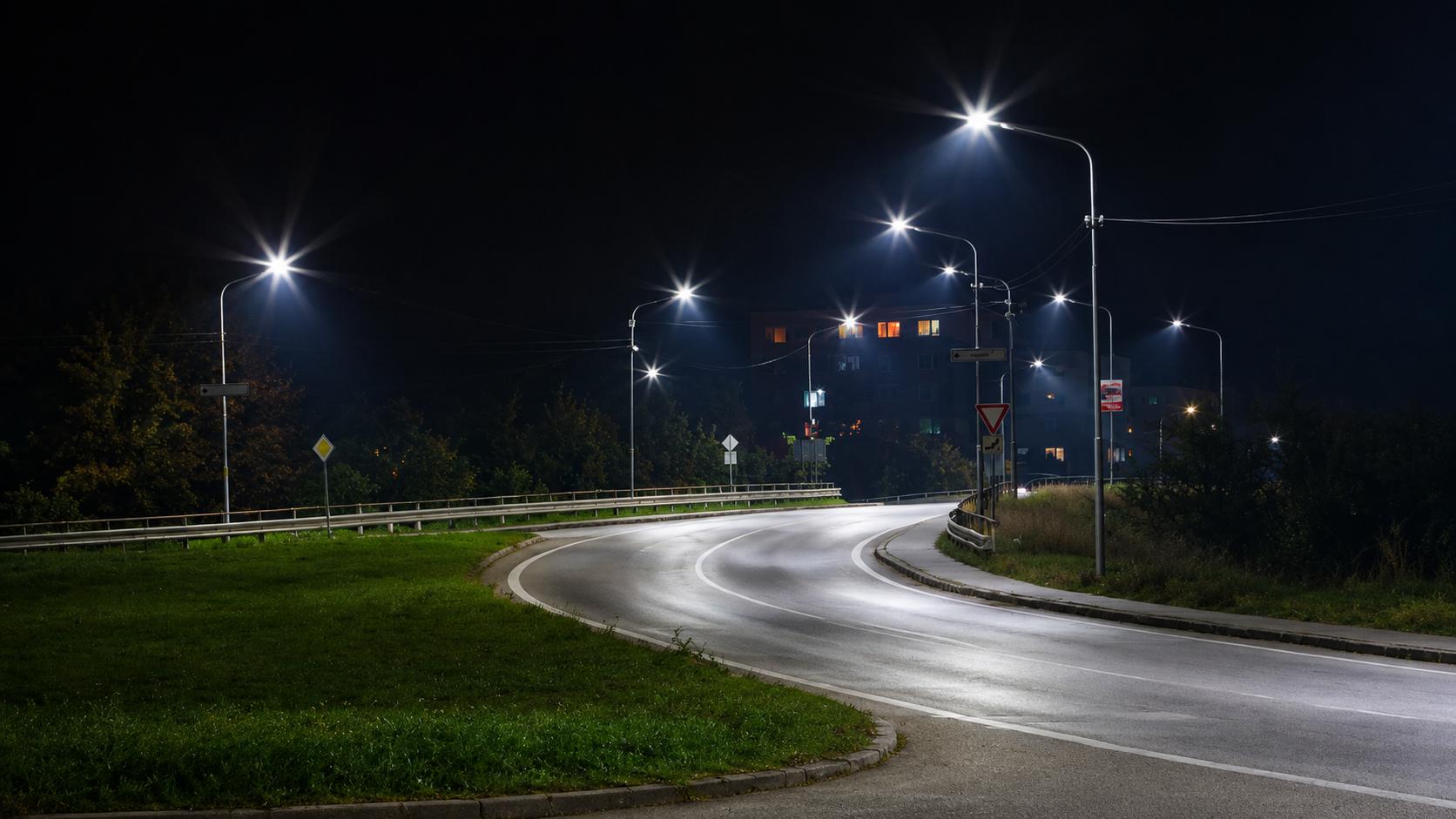
The wholesale replacement of orange sodium streetlights with white LEDs across the country was driven by energy costs and carbon targets, and on those measures it worked. LEDs use dramatically less electricity and last far longer.
For the night sky the picture is more mixed. Modern LED fittings are directional, so a well-designed unit throws light down at the road rather than sideways and upwards, which is a genuine improvement on older lantern designs.
But blue-rich white light scatters more in the atmosphere than the old orange sodium light did, and it is more disruptive to human sleep and to wildlife. Warmer-toned LEDs reduce both problems, which is why lighting specifications increasingly specify colour temperature limits.
The other complication is that cheaper light encourages more of it. When lighting costs less to run, the pressure to switch it off diminishes.
Streetlights are not the main culprit.
Public authorities take most of the blame, and they are the easiest target because their lighting is visible and publicly owned.
But a substantial share of light escaping upwards comes from private sources: floodlit car parks, illuminated signage, security lighting on commercial premises, sports pitches, uplighting on buildings and domestic floodlights aimed at nothing in particular.
Much of this runs all night with nobody present, and much of it is badly aimed. A security light angled at forty-five degrees into the sky illuminates the clouds rather than the driveway.
It affects more than astronomy.
The case against light pollution used to be made almost entirely by astronomers. It is now made by ecologists and doctors as well.
Nocturnal wildlife is directly affected. Moths and other night-flying insects are drawn to artificial light and exhausted by it, with knock-on effects for the bats and birds that feed on them. Migrating birds are disorientated by lit structures.
Human circadian rhythms respond to light, and blue-rich light in the evening suppresses melatonin, which is why sleep researchers take the subject seriously.
Northumberland shows what is possible.
Just beyond the conurbation lies Northumberland International Dark Sky Park, one of the largest areas of protected night sky in Europe, covering Kielder Forest and much of the national park.
Its existence is not an accident of remoteness alone. It required lighting standards, deliberate management and the co-operation of the communities inside it.
It has also become a genuine visitor draw, with Kielder Observatory running events that book out well in advance. Dark sky tourism brings money into an area that has few other winter attractions.
That proximity is Newcastle's advantage. A resident can be under a genuinely dark sky within an hour of leaving the city.
What actually reduces it.
The measures are unglamorous and well understood. Point lights downwards. Shield fittings so nothing escapes above the horizontal. Use no more light than the task needs. Use warmer colour temperatures. Put lighting on timers or sensors so it operates only when required.
Businesses and homeowners can act without waiting for anybody. Turning off an unnecessary floodlight is free and immediate.
Share your thoughts.
Can you see more than a handful of stars from your part of Newcastle?
Local News
Light Pollution: How Newcastle Lost Its Night Sky
Advertisement



Comments (0)
You must be logged in to post comments.
Don't have an account? Register here
No comments yet. Be the first to share your thoughts!