
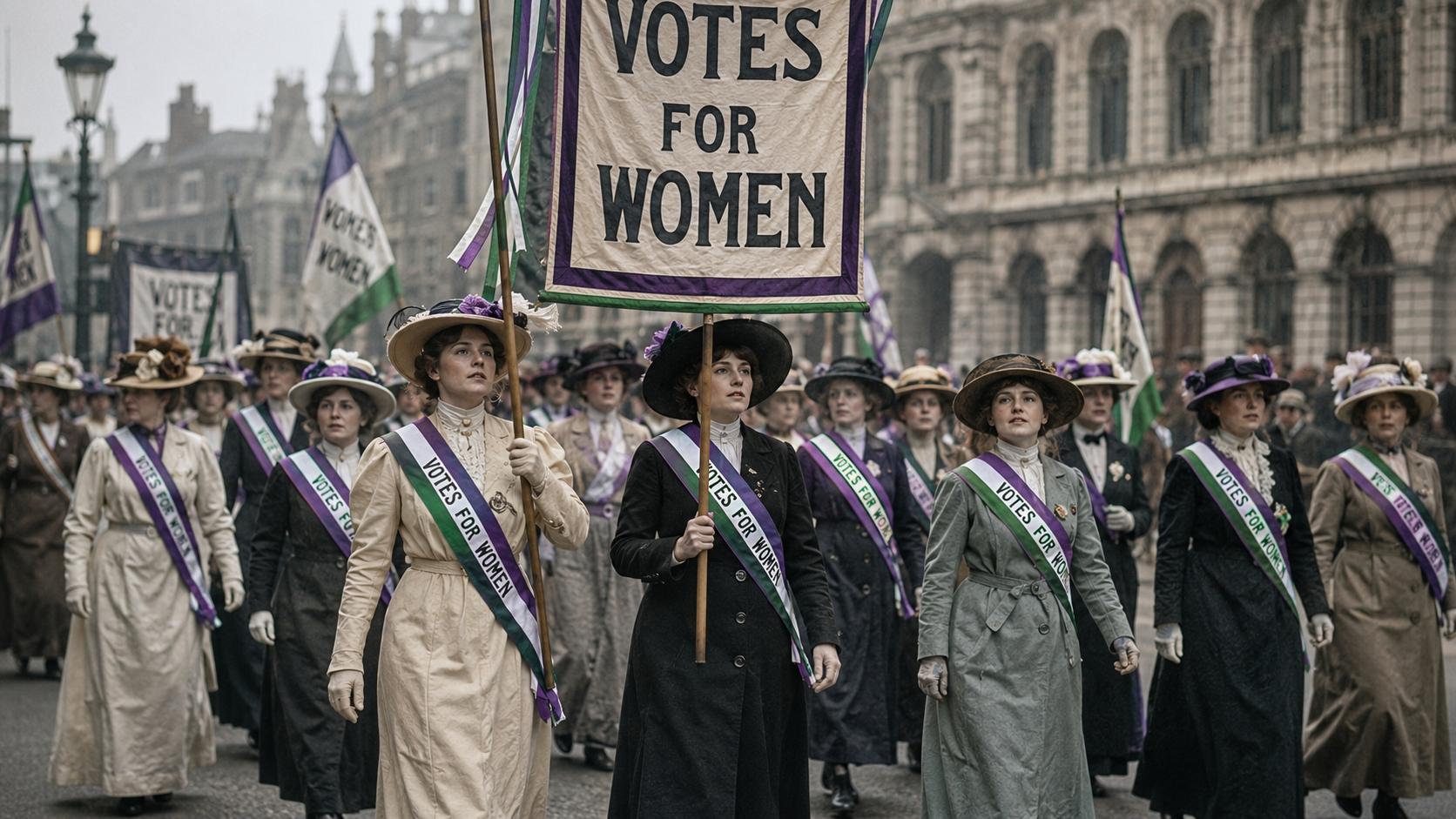
The long struggle to win votes for women was one of the great causes of the early twentieth century, and Newcastle and the wider North East played a spirited part in it. From dramatic acts of protest in the city streets to the courage and sacrifice of campaigners with deep regional roots, the fight for the vote left a powerful mark on the area. It is a story of determination, defiance and the willingness of ordinary women to risk everything for a principle.
Votes for Women Comes North.
In the years before the First World War, the campaign for women's suffrage grew increasingly intense across Britain. The militant Women's Social and Political Union, founded by the Pankhurst family, took the cause to towns and cities throughout the country, and the North East was no exception. Branches and campaigning groups sprang up across the region, from Newcastle itself to towns such as Hexham, Morpeth and beyond. The movement attracted women from every walk of life, united by a shared determination to win the right to vote that had so long been denied to them.
The Battle of Newcastle.
One of the most dramatic episodes came in October 1909, when a senior government minister visited Newcastle. A group of suffragettes seized the moment to stage a militant protest, throwing stones in a deliberate act of civil disobedience designed to draw attention to their cause. The confrontation became known as the Battle of Newcastle, and among those who took part were some of the most prominent figures in the movement. Most of the protesters were arrested, and the episode became a celebrated moment in the history of the campaign, a vivid demonstration of how far these women were prepared to go.
Kathleen Brown, Local Heroine.
Among the local campaigners, Kathleen Brown of Newcastle stood out as a genuine heroine of the movement. Imprisoned for her part in militant protest, she endured the harsh conditions of jail and went on hunger strike for her beliefs. When she was released in 1909, she was welcomed back to Newcastle as a returning champion, met at Central Station by an enormous crowd of supporters with banners and carriages decked out in the suffragette colours of purple, white and green. Her courage inspired others, and her warm reception showed the strength of feeling the cause aroused across the city.
Emily Wilding Davison.
Perhaps the most famous figure with North East connections was Emily Wilding Davison, one of the most committed and fearless of all the suffragettes. Though not born in the region, her family roots lay in Northumberland, and she spent time at Longhorsley, where her mother had returned to run a small shop. Davison was arrested many times and endured imprisonment, hunger strikes and force-feeding in her relentless pursuit of the cause. She is remembered above all for her death in 1913, when she stepped onto the track at the Epsom Derby in front of the King's horse, an act that shocked the nation and made her a martyr for the movement.
Imprisonment and Sacrifice.
The personal cost of the campaign was enormous. Many suffragettes, including those from the North East, suffered repeated imprisonment, and the policy of hunger striking led to the brutal practice of force-feeding, which caused lasting harm to those subjected to it. These women faced hostility, ridicule and real physical danger, yet they persisted with extraordinary courage and conviction. Their willingness to endure such hardship for the sake of a principle is a humbling reminder of just how hard-won the right to vote really was, and how much was sacrificed to achieve it.
A Legacy of Courage.
The campaigners eventually triumphed, with women winning the vote in stages in the years after the First World War, a victory built on decades of tireless effort and sacrifice. The contribution of Newcastle and the North East to that long struggle deserves to be remembered and celebrated. The dramatic protests in the city, the courage of local heroines like Kathleen Brown and the sacrifice of figures such as Emily Wilding Davison all form part of a proud regional chapter in the history of British democracy. Their legacy lives on every time a woman in the North East, and across the country, casts her vote.
Remembered in the Region Today.
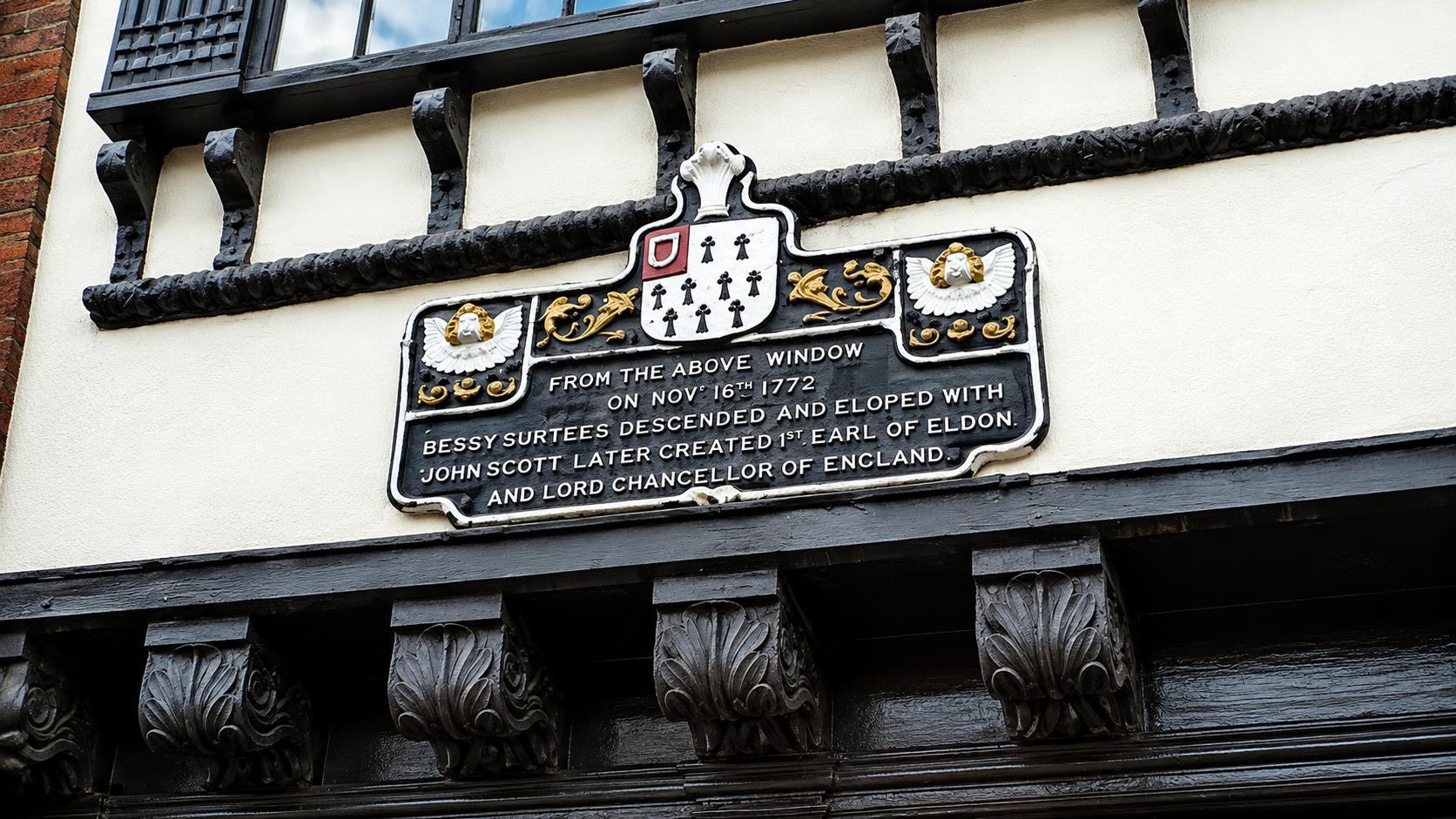
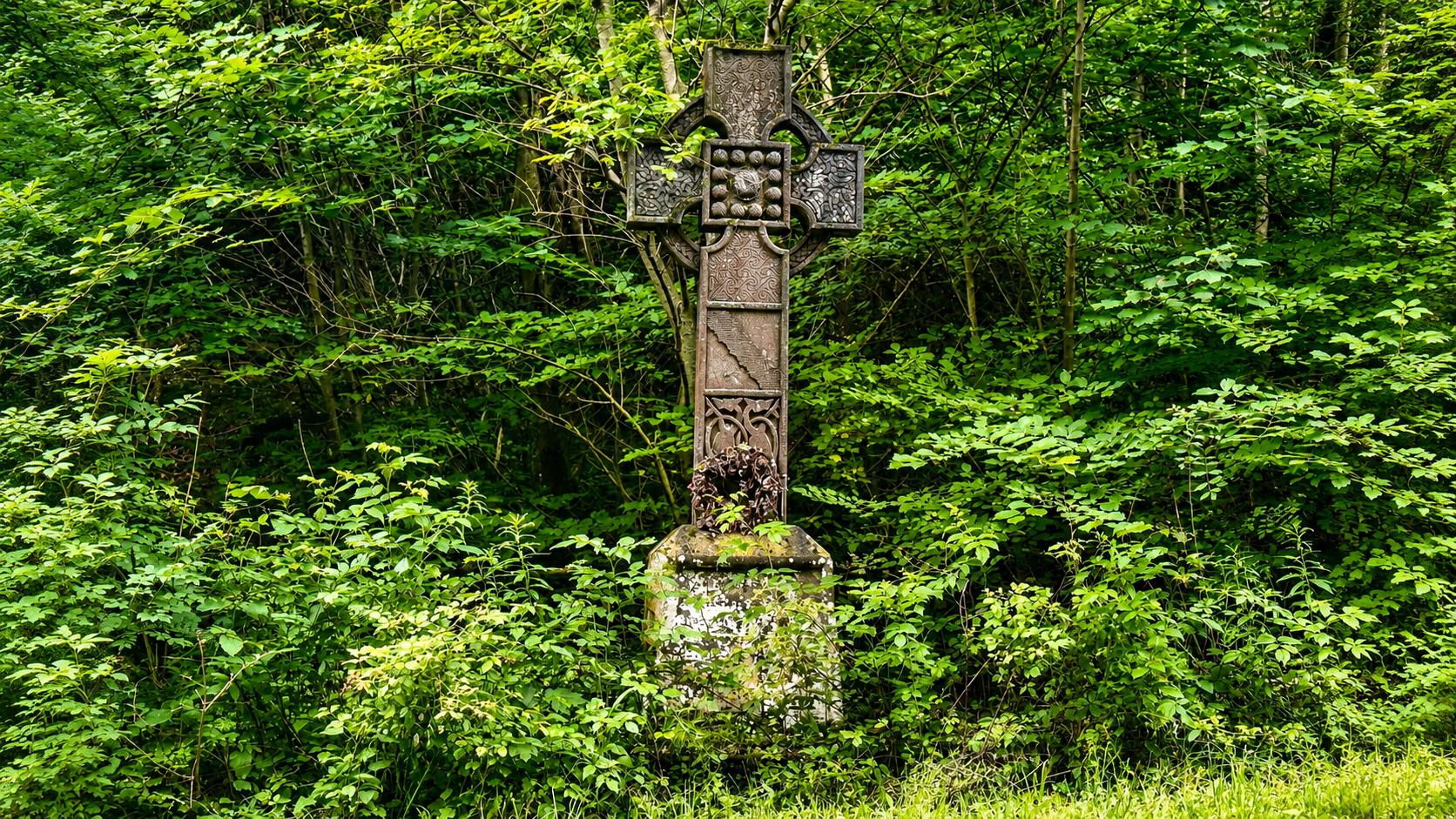
The contribution of North East women to the fight for the vote is increasingly being recognised and celebrated in the region today. Local historians, writers and community groups have worked to uncover and tell the stories of the campaigners, ensuring that names which might otherwise have faded are remembered with the honour they deserve. Plaques, exhibitions and commemorations mark the places associated with the movement, from the streets where protests took place to the homes where campaigners lived. Emily Wilding Davison, who lies buried in Northumberland, has become a particular focus of remembrance, her grave a place of quiet pilgrimage for those who admire her courage and conviction. These acts of remembrance matter, because they connect present-day citizens with the long and difficult struggle that won rights now too easily taken for granted. They remind us that democracy was not simply handed down but fought for, often at great personal cost, by determined people, including many from the North East. In honouring the suffragettes of the region, the area pays tribute not only to a handful of famous names but to all the ordinary women who played their part.
Share your thoughts.
We would love to hear your memories and opinions, so leave a comment below, especially if you have a suffrage campaigner somewhere in your own family history.
Did you know that one of the most famous suffragettes of all had her roots right here in the North East?
Newcastle History
Newcastle and the Fight for Votes for Women
From the dramatic 1909 Battle of Newcastle to the courage of Kathleen Brown and Emily Wilding Davison, the North East played a spirited part in the long fight to win votes for women.
Advertisement

Comments (0)
You must be logged in to post comments.
Don't have an account? Register here
No comments yet. Be the first to share your thoughts!