
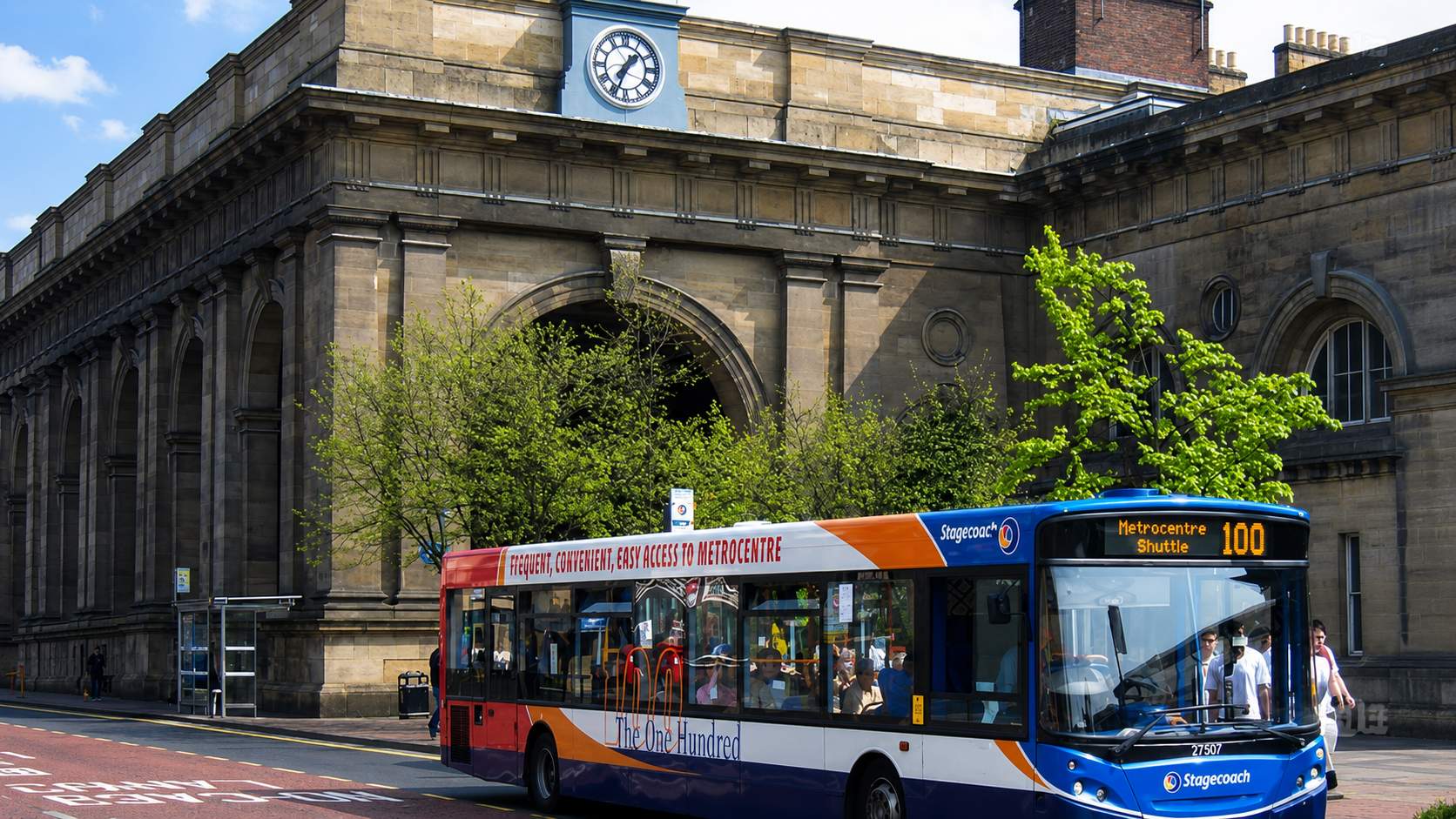
For thousands of people across Newcastle and the wider North East, the daily commute is one of the biggest unavoidable household expenses. While fuel prices, parking charges and rail fares continue to fluctuate, affordable bus travel has become increasingly important for workers, students and families trying to keep everyday costs under control.
With reports of a national £2 bus fare cap is returning from January 2027, many commuters are asking one simple question. How much money will it actually save over the course of a year?
Although the North East currently benefits from its own locally funded £2.50 adult fare cap until at least March 2027, a return to a nationwide £2 maximum would still put extra money back into passengers' pockets on longer journeys where the full cap applies. Adults in the region currently pay up to £2.50 for a single journey, which is already below the Government's previous £3 national cap.
What the savings could look like.
For a commuter travelling five days a week, the savings soon begin to add up.
Someone making two bus journeys each working day currently paying the £2.50 maximum would spend around £25 each week.
If the maximum fare returned to £2, that weekly cost would fall to £20.
That works out as:
£5 saved every working week.
Around £22 saved each month.
Approximately £260 saved over a full working year based on 52 weeks.
For households where two adults rely on buses, the combined annual saving could reach around £520.
Families with older children travelling independently could also benefit if they regularly pay adult fares.
Newcastle remains one of England's busiest bus regions.
Bus travel continues to play a huge role across Newcastle, Gateshead, North Tyneside, South Tyneside, Sunderland, County Durham and Northumberland.
The North East Mayoral Combined Authority says passenger numbers have increased sharply since introducing its own cheaper fares, with almost nine million additional journeys recorded during one year, representing around 8 percent growth compared with national growth of roughly 1 percent. More recently, the authority confirmed more than 100 million journeys have been made using the Mayor's fare scheme.
Those figures suggest affordable ticket prices are encouraging more people to leave the car at home.
How the North East already compares with the rest of England.
Many commuters may not realise the North East already enjoys lower bus fares than much of England.
The region introduced its own £2.50 adult fare cap, keeping prices below the previous national £3 limit. Some shorter journeys remain even cheaper depending on the operator and distance travelled. Meanwhile, passengers aged 21 and under can continue travelling for just £1 under the locally funded scheme.
When the national £2 fare cap returns, the North East would become even more competitive for affordable public transport.
Could cheaper fares reduce car use?
Although not everyone can switch from driving, transport experts have long argued that lower fares encourage more people to choose buses for shorter journeys.
For commuters travelling into Newcastle city centre, avoiding city centre parking can save significantly more than the bus fare alone.
Daily parking in Newcastle can often cost between £8 and £15 depending on location, while motorists also need to factor in fuel, insurance, servicing and depreciation.
For many workers, switching from driving just two or three days each week could save hundreds or even thousands of pounds annually depending on their commute.
Cost of living pressures remain.
Transport continues to be one of the largest regular expenses after housing and energy.
Even relatively small reductions can make a noticeable difference over time, particularly for households where several people rely on public transport.
A saving of around £260 each year may not sound life changing on its own, but it could help cover:
Several weeks of grocery shopping.
Rising household energy bills.
School uniforms.
Annual broadband costs.
Christmas spending.
For many families, those savings arrive without changing daily routines.
What happens next?
The nationwide return to a £2 bus fare cap depends on Government transport funding and implementation across England.
The North East currently remains protected by its own locally funded £2.50 fare cap until at least March 2027, giving commuters certainty over prices regardless of wider national policy.
However, when fares are reduced by another 50p across the region, regular passengers would immediately notice the difference in their weekly travel costs.
For commuters already balancing rising household bills, that extra money could prove just as valuable as any pay rise, particularly when multiplied across an entire year of travel.
Share your views.
Will the return to £2 bus fares encourage you to leave the car at home more often?
Local News
Newcastle Commuters Will Save up To £260 a Year
Advertisement


Comments (0)
You must be logged in to post comments.
Don't have an account? Register here
No comments yet. Be the first to share your thoughts!