
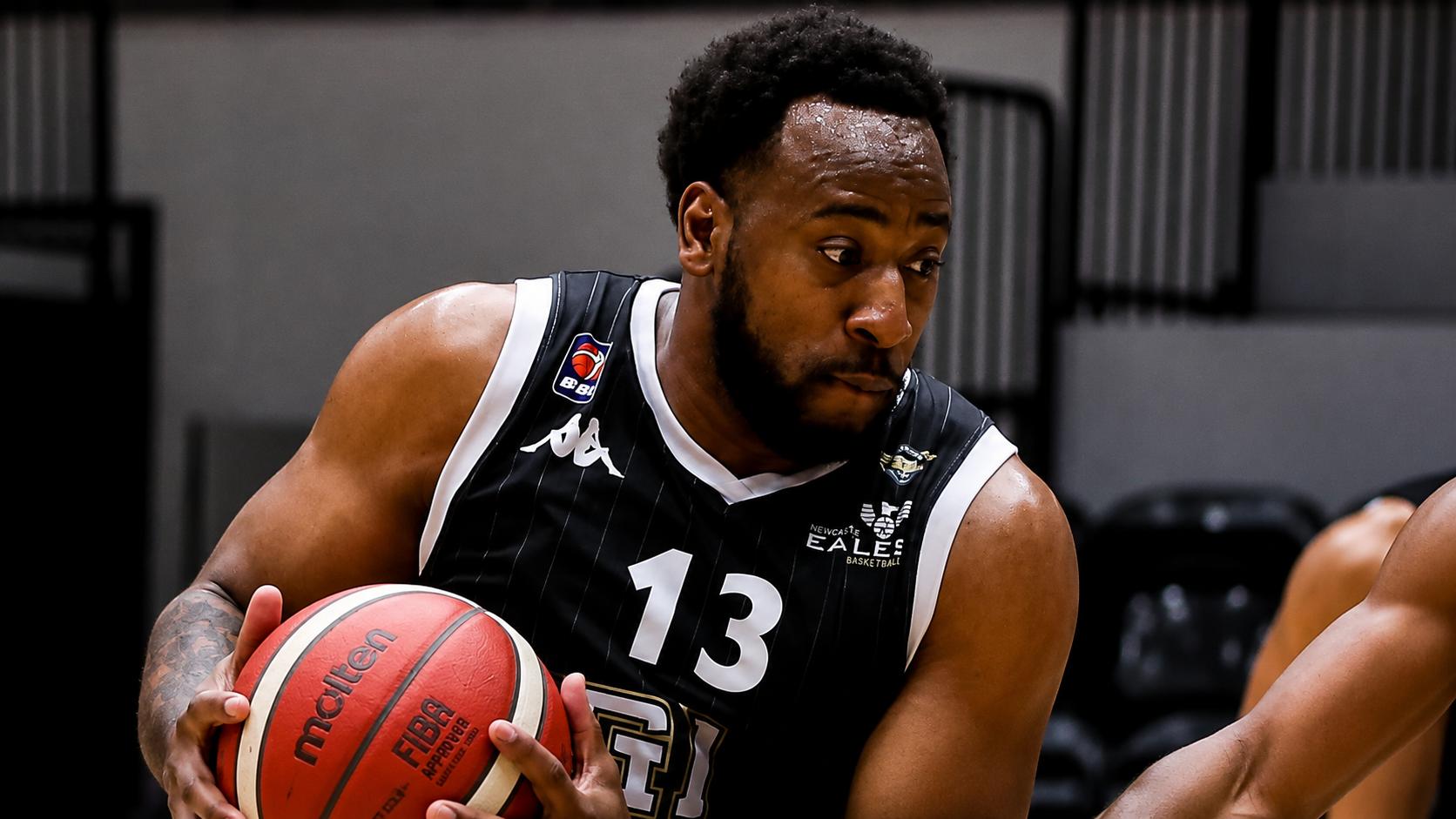
Darius Defoe has been awarded the Freedom of Newcastle following a special meeting of the city council, in recognition of his 22 seasons representing Newcastle Eagles and his extensive work in the community across the North East.
Two Decades in Newcastle Colours.
Born in Dominica, Defoe moved to the UK at the age of 10 before relocating to Newcastle from London at 18 to join the Eagles, having come through the Hackney Community College Basketball Academy programme. The 6ft 8in forward joined the club from Hackney White Heat in 2004, at a point in his career when he had barely heard of the city he was moving to.
Over the following two decades, Defoe became the single most successful player in British basketball history, playing a part in all 28 of Newcastle Eagles' major trophy wins and earning the nickname "Mr 28" among supporters and teammates in recognition of that remarkable record. He retired from playing this summer, bringing to a close a career built entirely around one club, a rarity in modern professional sport.
What the Freedom of the City Actually Means.
The Freedom of the City is among the highest honours a local authority can bestow, traditionally reserved for individuals judged to have made an exceptional and sustained contribution to the life of the city. Unlike more routine council business, the award requires formal agreement at a full meeting of the council, with the recipient later invited to sign the official register of Honorary Freemen at a dedicated ceremony.
Such honours are granted sparingly, and council leader Colin Ferguson told the meeting that Defoe had represented Newcastle Eagles with exceptional distinction, playing a pivotal role in the most successful period in the club's history. Newcastle Eagles managing director Paul Blake went further, describing Defoe as a genuine sporting legend who built a legacy in Newcastle that would not be repeated.
A Legacy Beyond the Basketball Court.
Alongside his playing record, Defoe has been closely involved in community work carried out by the Eagles and the Eagles Community Foundation across Tyneside and the wider North East, work he has said he is just as proud of as anything achieved on court. Speaking after the announcement, Defoe said the love and support he had received from Newcastle throughout his career had meant everything to him, and that inspiring young people across the region to believe in themselves and work hard toward their own goals was a legacy he would always value.
Even Steven Rutherford, the council's Reform UK opposition leader, used the meeting to highlight the value of role models like Defoe, reflecting a rare moment of genuine cross-party agreement on the significance of the award.
Reaction Across the City.
News of the honour has been welcomed widely across Newcastle's sporting and civic community, with tributes emphasising both Defoe's sporting achievements and his standing as an ambassador for the city more broadly. A formal ceremony to present Defoe with the award and sign the Honorary Freeman register will be arranged for a future date, giving the city a further opportunity to properly mark his contribution.
For a club built on unusually long-serving players, Defoe's 22 years stand out even by the Eagles' own standards, and his recognition by the city closes out a playing career that helped define an entire era of British basketball based in Newcastle.
Newcastle's Sporting Honours.
Newcastle has a long tradition of recognising sporting achievement through civic honours, though the Freedom of the City remains reserved for a genuinely select group, reflecting its status as one of the highest distinctions the council can bestow on any individual, sporting or otherwise.
Basketball has never enjoyed quite the same mainstream profile in Britain as football or rugby, making Defoe's sustained success, and the civic recognition that has followed it, a particularly significant moment for the sport's profile within Newcastle and across the wider North East.
What Freedom of the City Recipients Gain.
Historically, the Freedom of the City carried practical privileges, including rights relating to trading within a city's boundaries, though today the honour functions almost entirely as a symbolic recognition of exceptional service or achievement rather than conferring any genuine legal privilege.
Recipients typically retain the title for life, and the formal signing of the Honorary Freeman register creates a permanent public record of the individual's contribution, ensuring the recognition endures well beyond any single ceremony or news cycle.
A Club Built on Loyalty.
Defoe's twenty-two years with a single club stands in stark contrast to the typical career path of most professional athletes, who frequently move between clubs, cities and even countries multiple times across a comparable span of years, making his loyalty to Newcastle Eagles specifically all the more remarkable within British sport.
Where the Honour Fits in Newcastle's History.
Freedom of the City ceremonies remain sufficiently rare in Newcastle that each one draws considerable civic attention, with past recipients typically representing a genuinely diverse cross-section of fields, from public service through to the arts and sport, reflecting the council's consistent approach of reserving the honour strictly for individuals judged to have made a lasting, defining contribution to the city rather than simply achieving short-term prominence.
Share your thoughts.
Did you ever watch Darius Defoe play for the Eagles?
Sports News
Newcastle Eagles Legend Darius Defoe Awarded Freedom of the City
Darius Defoe has been awarded the Freedom of Newcastle following a special council meeting, recognising 22 seasons and 28 trophies with the Eagles.
Advertisement


Comments (0)
You must be logged in to post comments.
Don't have an account? Register here
No comments yet. Be the first to share your thoughts!