
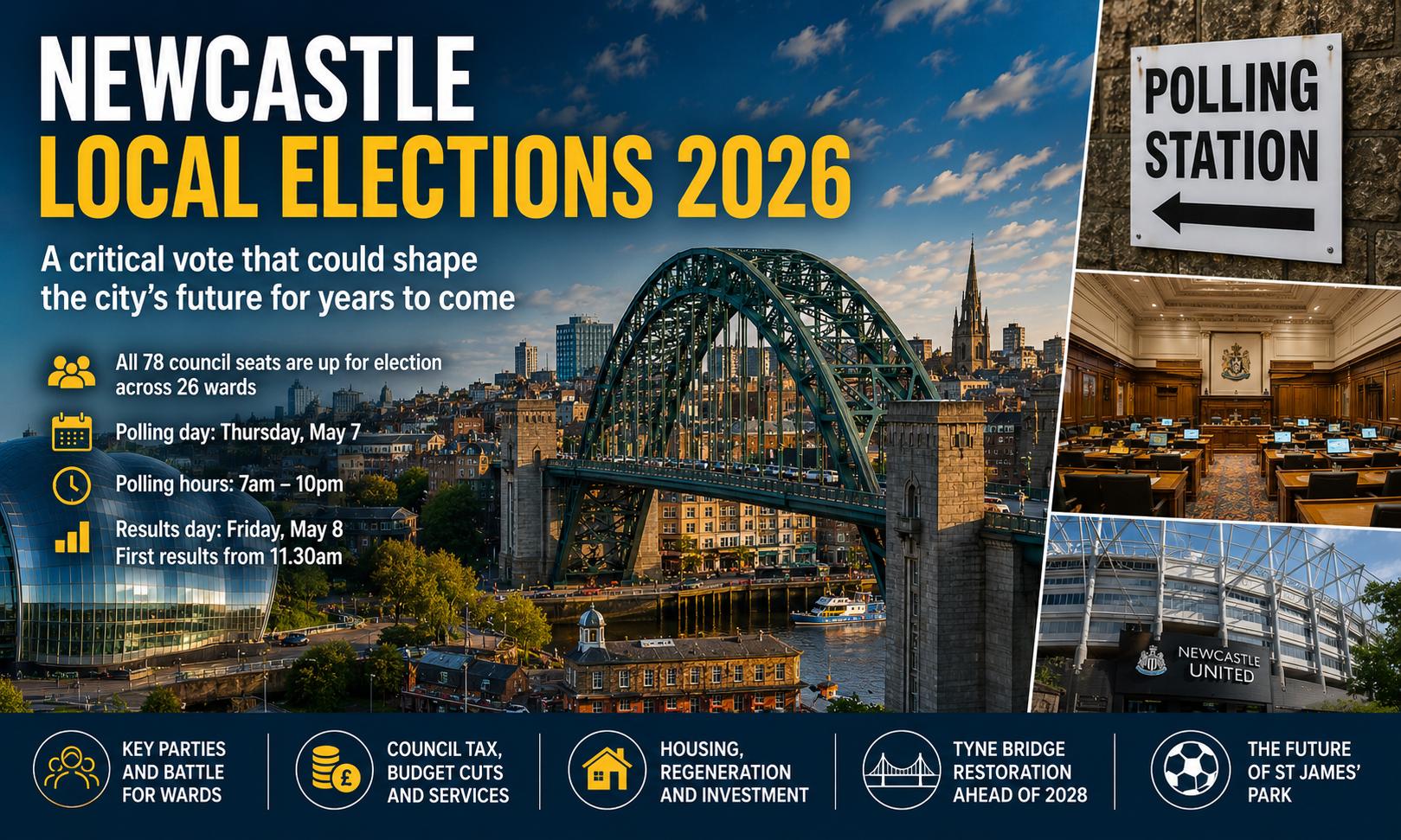
Newcastle heads to the polls this week in what could become one of the most important local elections the city has seen in decades.
On Thursday, May 7, voters across Newcastle will decide who takes control of Newcastle City Council at a time when frustration with mainstream politics is growing, council finances are under pressure, and major decisions about the city’s future are looming.
From housing and regeneration to the future of St James’ Park and the restoration of the Tyne Bridge, the politicians elected this week will shape Newcastle for years to come.
But this election feels different.
Across the city, many residents are increasingly questioning whether the traditional parties still represent local communities. As a result, independent candidates are gaining attention from voters who feel disconnected from party politics and want councillors focused on Newcastle first, rather than national party agendas.
Why Every Seat Is Being Contested
This year’s election is unusual because all 78 council seats are up for election at the same time due to new ward boundary changes.
Instead of the normal system where only a third of seats are contested, voters in all 26 wards will elect three councillors each. That means residents can cast up to three votes on their ballot paper.
The scale of the election means control of Newcastle City Council is genuinely up for grabs.
Labour’s Grip on Newcastle Is Under Pressure
Labour has controlled Newcastle City Council since 2011, but the party’s position has weakened significantly in recent years.
Following internal disputes and defections in 2024, Labour lost its overall majority and now runs the council as a minority administration.
The current council makeup stands at:
Labour: 34 seats
Liberal Democrats: 22 seats
Independents: 6 seats
East End and Associates Independents: 6 seats
Greens: 4 seats
Newcastle Independents: 3 seats
Conservatives: 1 seat
Vacant seats: 2
For many voters, this election has become a referendum on how the city has been managed over the past decade.
Council tax rises, public service cuts and growing concerns about investment priorities have all become major talking points during campaigning.
Karen Kilgour Leading Labour Into a Tough Election
Karen Kilgour became Newcastle’s first female council leader in 2024 after replacing Nick Kemp following his resignation amid controversy surrounding a bullying complaint.
A long-serving councillor, Kilgour previously worked closely with former leader Nick Forbes and has defended Labour’s record on regeneration and investment.
However, Labour faces challenges from multiple directions this year, including Reform UK, the Greens, the Liberal Democrats and a growing number of independents.
Independent Candidates Could Play a Bigger Role Than Ever
One of the biggest shifts in Newcastle politics is the rising interest in independent candidates.
Across the city, many residents are becoming frustrated with party politics and are instead looking toward candidates focused on local issues, accountability and community representation.
In Monument ward, Craig Cottrell is standing as an independent candidate, joining a growing number of local voices seeking to challenge the traditional party structure.
For many voters, independent candidates represent an opportunity to back people with direct ties to their communities rather than politicians following national party lines.
While major parties dominate headlines, independents have already proven they can succeed in Newcastle politics. Chapel ward councillor Marc Donnelly remains one of the city’s strongest political performers after securing an overwhelming 85.7% of the vote in 2022.
This election could see more independent candidates emerge as serious challengers across Newcastle.
Reform UK, Greens and Liberal Democrats Target Labour Seats
Labour is not only facing pressure from independents.
Reform UK is expected to make gains in parts of outer west Newcastle and traditional working-class areas that have historically voted Labour.
The Greens are also targeting central Newcastle wards with younger populations, particularly after building momentum in Byker and other inner-city areas.
One of the most closely watched contests will be in Monument ward, where former North of Tyne mayor Jamie Driscoll is standing for the Greens.
Meanwhile, the Liberal Democrats hope dissatisfaction with Labour can help them return to power locally for the first time since 2011.
The challenge for all opposition parties will be converting voter frustration into actual council seats.
Polling Times and Election Results
Polling stations will open from 7am until 10pm on Thursday, May 7.
Unlike some elections where counting happens overnight, Newcastle’s votes will be counted during the day on Friday, May 8.
The count will take place in two stages, with results expected to begin from around 11.30am and final declarations likely by approximately 4.30pm.
The Major Issues Facing Newcastle
Council Tax and Spending Cuts
One of the biggest election issues has been Newcastle City Council’s finances.
The council recently approved a 4.99% council tax increase while also confirming plans for:
75 job cuts
£37 million in savings by 2029
Council leaders argue years of reduced Government funding have left them with little choice, claiming Newcastle has lost more than £400 million in support since 2011.
However, many residents believe the city needs fresh thinking and stronger local representation to protect services and spending priorities.
Regeneration and Housing
The council continues to promote major investment plans, including:
£50 million for roads and footpaths
15,000 new homes
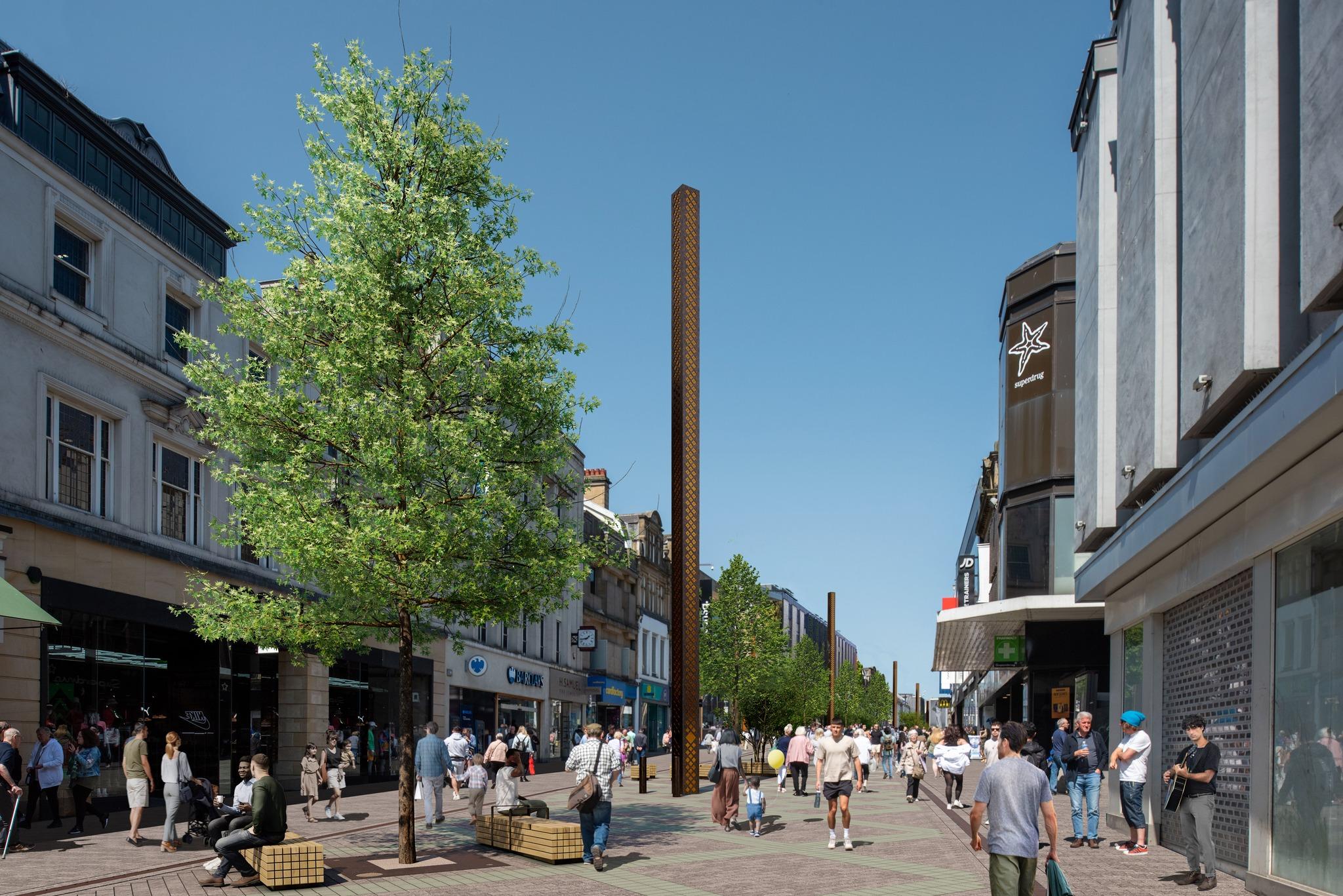
City centre regeneration projects
Supporters say these projects are vital for Newcastle’s future economy, while critics argue residents want more focus on everyday concerns such as cleanliness, anti-social behaviour, local businesses and community safety.
St James’ Park and Newcastle United
The future of Newcastle United’s stadium could also become one of the defining issues of the next council term.
The club has yet to confirm whether it plans to remain at St James’ Park or potentially move into a new stadium development involving nearby Leazes Park.
Whatever decision is made will have major consequences for transport, business investment, tourism and city planning.
Incoming councillors will almost certainly play a key role in shaping that future.
Why Newcastle Voters Should Make Their Voices Heard
This election is about more than party politics.
It is about deciding what kind of city Newcastle wants to become over the next decade.
Whether voters support Labour, Reform UK, the Greens, Liberal Democrats or independent candidates, Thursday’s result will directly affect local services, investment decisions and the future direction of Newcastle itself.
But one message is becoming increasingly clear across the city: many residents want stronger local voices and councillors who are directly accountable to the communities they represent.
That is why independent candidates across Newcastle are attracting growing interest from voters who feel overlooked by the traditional political system.
With every seat contested and political control uncertain, every vote genuinely matters this year.
Local News
Newcastle Local Elections 2026: What’s at Stake?
Advertisement


Comments (0)
You must be logged in to post comments.
Don't have an account? Register here
No comments yet. Be the first to share your thoughts!