
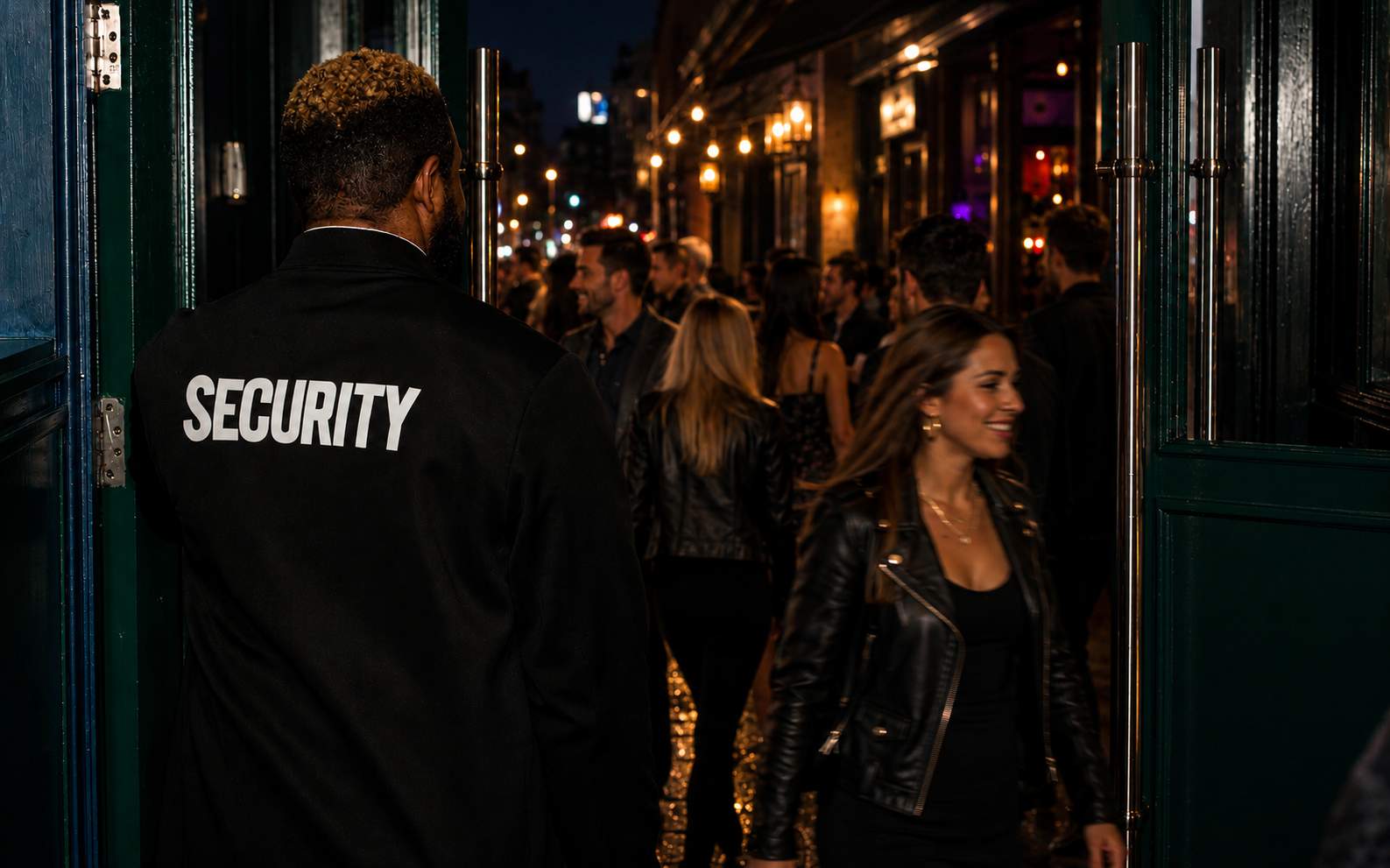
Anyone who has enjoyed a night out in Newcastle has almost certainly been greeted by a door supervisor. Often referred to as bouncers, these security professionals are the first people customers meet before entering many pubs, bars and clubs across the city.
While many people see them simply checking identification or managing queues, the role of modern door staff is far more complex than it once was. They are trained to deal with everything from drink spiking concerns and vulnerable people to conflict management, emergency evacuations and terrorism awareness.
With Newcastle continuing to attract thousands of visitors every weekend thanks to its vibrant nightlife, experienced and properly trained door supervisors have become one of the most important parts of keeping venues safe.
Newcastle's nightlife relies on trained security.
From the Bigg Market and Collingwood Street to the Quayside and Scotswood Road, Newcastle's nightlife is one of the largest in the North East.
Every weekend, licensed venues welcome thousands of customers, creating a need for highly trained security professionals capable of dealing with a wide variety of situations.
Most door supervisors working at pubs, clubs and late-night venues must hold a valid licence issued by the Security Industry Authority, better known as the SIA. Working without the appropriate licence is a criminal offence and both individuals and employers can face prosecution.
What training do door supervisors receive?
Becoming a licensed door supervisor involves considerably more than learning how to remove disruptive customers.
Since changes introduced by the SIA, candidates must complete an approved qualification covering several key areas before applying for a licence. They must also hold an Emergency First Aid qualification before beginning the course.
Training includes:
Conflict management and de-escalation.
Physical intervention techniques.
Counter terrorism awareness.
Safeguarding vulnerable people.
Customer service.
Emergency procedures.
Licensing law.
Searching people and property legally.
Drug awareness, including drink spiking.
Health and safety.
Recent updates to SIA training have placed greater emphasis on recognising drink spiking, identifying vulnerable customers and responding appropriately to allegations of sexual assault. These changes were introduced following growing national concern about nightlife safety.
What are door staff allowed to do?
Many people assume door supervisors have the same powers as police officers, but that is not the case.
Instead, they operate under the same laws as any member of the public, while carrying additional responsibilities under licensing conditions and venue policies.
Door supervisors are generally allowed to:
Refuse entry to anyone who is intoxicated.
Refuse entry for failing to meet a dress code.
Remove customers who become violent or abusive.
Ask for proof of age.
Carry out searches where venue conditions allow.
Detain someone using citizen's arrest powers in limited circumstances until police arrive.
Use reasonable force only when it is lawful and necessary.
They cannot issue fines, search people without appropriate authority or use force simply because someone refuses to follow instructions.
Every use of force must be proportionate, necessary and justifiable under UK law. Physical intervention is considered a last resort after communication and de-escalation have failed.
Preventing trouble before it starts.
One of the biggest misconceptions about door supervisors is that their role begins when a fight breaks out.
In reality, experienced security teams spend much of their shift preventing problems before they happen.
This can include spotting customers who may have had too much to drink, identifying suspicious behaviour, watching for signs of drink spiking, reuniting vulnerable people with friends and contacting emergency services when required.
Many venues in Newcastle also work closely with Northumbria Police through initiatives such as Operation Sentinel and the city's Purple Flag accreditation, which promotes safer nights out through partnership working between businesses, police and local authorities.
The growing focus on drink spiking.
Door supervisors are increasingly becoming the first line of defence against drink spiking.
Updated SIA training now includes recognising behaviours linked to potential offenders, identifying vulnerable customers and understanding how drugs may be used to facilitate sexual offences. Staff are taught how to preserve evidence, support victims and work alongside police where incidents are reported.
Many Newcastle venues have also introduced anti-spiking measures such as drink covers, increased CCTV, welfare staff and enhanced staff training.
By the numbers.
Several national figures help illustrate the scale of the industry and why properly trained door staff matter.
More than 410,000 people currently hold SIA licences across the UK.
Door supervisors account for roughly 35 percent of all licensed security operatives.
An SIA Door Supervisor licence is normally valid for three years before refresher training is required.
Every applicant must complete approved physical intervention and conflict management training before receiving a licence.
Since 2021, first aid qualifications have become mandatory before undertaking SIA door supervisor training.
These figures demonstrate how professional the security industry has become compared with previous decades, when formal qualifications were far less common.
Why door staff matter in Newcastle.
For many people enjoying an evening in Newcastle, the presence of trained door supervisors provides reassurance that someone is available to deal with emergencies quickly and professionally.
Whether responding to suspected drink spiking, preventing violence, helping vulnerable customers or working alongside Northumbria Police during busy weekends, door staff play a vital role in keeping the city's nightlife running safely.
As Newcastle continues to welcome visitors from across the UK, experienced security professionals remain one of the biggest reasons the city's nightlife continues to thrive while maintaining its reputation as one of Britain's leading destinations for evenings out.
Share your thoughts.
Do you think Newcastle's pubs and clubs do enough to keep customers safe?
Lifestyle News
Newcastle Nightlife's First Line Of Defence
Advertisement




Comments (0)
You must be logged in to post comments.
Don't have an account? Register here
No comments yet. Be the first to share your thoughts!