
Among the most cherished and characterful traditions of the North East is one that takes place quietly in back gardens and allotments across the region. Pigeon racing, the keeping and racing of homing pigeons, has been a passion in these parts for generations, a hobby bound up with the history and culture of the industrial communities. To the fanciers who keep them, the birds are a source of pride, companionship and fierce competition, and the tradition remains a much-loved part of regional life.
A Working-Class Passion.
Pigeon racing took deep root in the North East during the great age of coal and heavy industry, becoming especially associated with the mining and working communities of the region. For men whose working lives were spent in the harsh and dangerous conditions of the pit or the shipyard, the keeping of pigeons offered a precious escape, a chance to spend time in the open air tending to something beautiful and alive. The hobby provided relaxation, purpose and a focus for friendly competition, and it became woven into the fabric of working-class life across the coalfields and industrial towns.
The Cree.
Central to the tradition is the cree, the local word for the loft or shed in which the pigeons are kept. These structures, often built and maintained with great care, are a familiar sight in the allotments and gardens of the region, and they are the heart of the fancier's world. Within the cree the birds are housed, fed and cared for, and it is here that the bond between the fancier and his pigeons is formed. The word cree itself, like so much of the vocabulary of the hobby, is part of the distinctive local culture that surrounds pigeon keeping in the North East.
The Art of the Sport.
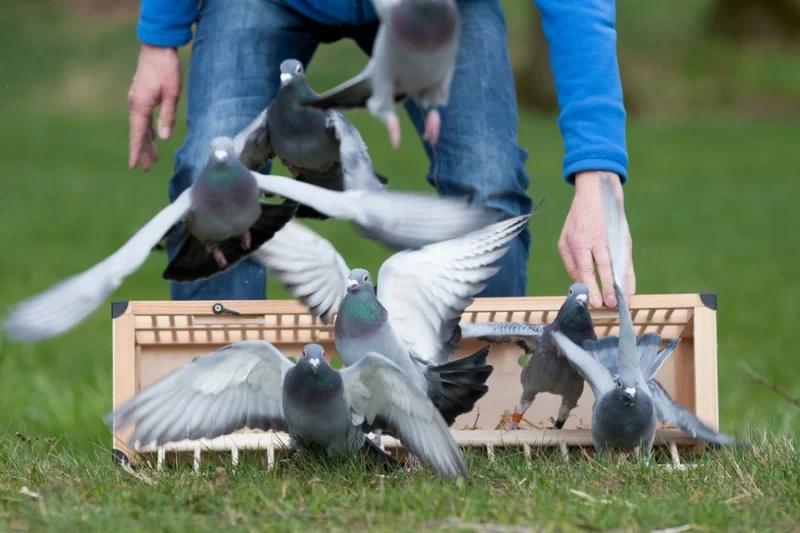
Pigeon racing is a genuine sport, demanding skill, knowledge and dedication. Homing pigeons possess the remarkable ability to find their way back to their loft over great distances, and in a race the birds are taken far from home and released, with the winner being the one that returns most quickly. Success depends on careful breeding, training, feeding and conditioning of the birds, and the best fanciers develop a deep understanding of their pigeons and how to bring them to peak form. It is a pursuit that rewards patience, attention and experience, and the competition between fanciers can be intense.
The Bond with the Birds.
For those who keep them, the pigeons are far more than racing machines; they are a source of genuine affection and companionship. Fanciers come to know their birds individually, recognising their characters and forming real bonds with them over the years. The daily routine of tending the cree, feeding the birds and watching them exercise provides a rhythm and a pleasure that many find deeply rewarding. There is a quiet contentment in the relationship between the fancier and the doo, the local word for the bird, that lies at the heart of the hobby's enduring appeal.
A Community of Fanciers.
Pigeon racing has always been a social pursuit as well as a personal one, bringing fanciers together in clubs and federations that organise races and competitions. These clubs are communities in their own right, places where knowledge and stories are shared and friendships are formed over a common passion. The camaraderie among fanciers, the friendly rivalry and the shared dedication to the birds are an important part of what makes the hobby so rewarding. The tradition has bound people together across the generations, creating bonds that go well beyond the sport itself.
Facing Modern Challenges.
Like many traditional pastimes, pigeon racing faces challenges in the modern world. The decline of the industries with which it was once so closely associated, changing lifestyles and the pressures on time and space have all affected the hobby, and the number of fanciers has fallen from its peak. Yet the tradition endures, kept alive by dedicated enthusiasts who continue to keep and race their birds with as much passion as ever. The deep roots of the hobby in the culture of the region give it a resilience, and there remains a real affection for the tradition across the North East.
A Treasured Tradition.
Pigeon racing is one of the great traditional pastimes of the North East, a hobby that speaks of the region's industrial heritage, its love of the outdoors and its sense of community. The sight of a cree in an allotment, or of pigeons wheeling in the sky above the rooftops, is a familiar and reassuring part of the regional landscape. For the fanciers who keep the tradition alive, it offers companionship, competition and a connection to a way of life that stretches back through the generations. It is a quiet but cherished part of what makes the North East so distinctive.
A Window into a Way of Life.
The tradition of pigeon racing offers a fascinating window into the way of life of the industrial North East and the values that sustained its communities. In the keeping of pigeons can be seen the importance of the outdoors and of nature to people whose working lives were spent underground or in the noise of the shipyard, a counterbalance of fresh air and living things to the harshness of industrial labour.
In the care and dedication that the hobby demanded can be seen the patience and craftsmanship that characterised the working people of the region. And in the clubs and the friendly competition can be seen the strong community spirit and the love of sociability that bound the communities together.
The hobby was, in this sense, an expression of the wider culture of the industrial North East, reflecting its values and its character in a particular and appealing form. The decline of the hobby, alongside the decline of the industries with which it was associated, marks the passing of a whole way of life, making the survival of the tradition all the more precious.
Those who continue to keep and race their birds are preserving not only a hobby but a link to the heritage and the values of the communities that created it. The cree in the allotment and the pigeons wheeling overhead are reminders of a rich and distinctive way of life, and of the enduring human pleasures of care, companionship and gentle competition that lie at the heart of this much-loved tradition.
Have your say.
Pigeon racing remains one of the most characterful traditional pastimes of the North East.
Does your family have a connection to keeping and racing pigeons?
Lifestyle News
The Cree and the Doo: The North East's Love of Pigeon Racing
A celebration of pigeon racing in the North East, a cherished tradition of the region's industrial communities and the bond between fancier and bird.
Advertisement




Comments (0)
You must be logged in to post comments.
Don't have an account? Register here
No comments yet. Be the first to share your thoughts!